Tooth decay pain happens when a cavity breaks through the enamel and reaches the softer dentin and, eventually, the nerve inside the tooth. Early decay often causes no pain at all, mid-stage decay causes sensitivity to sweets, hot and cold, and advanced decay causes sharp, lingering or throbbing pain that usually means the nerve is inflamed or infected.
Tooth decay is one of the most common dental problems in the world. Many people assume a cavity only affects the surface of a tooth, but decay keeps moving inward, and the deeper it goes, the more it hurts and the more involved the treatment becomes. This guide explains how cavities form, the stages of tooth decay pain, the symptoms to watch for and the treatments that stop decay and relieve pain. Walk-In Dental Clinic in Katy treats cavities and toothaches for patients from Katy, Cypress, Fulshear and Greater Houston 7 days a week, with same-day appointments available.
- Early decay in the enamel often causes no pain, which is why checkups matter.
- Sensitivity to sweets, hot or cold usually means decay has reached the dentin.
- Sharp, lingering or throbbing pain often means decay has reached the nerve.
- Treatment ranges from fluoride for early spots to fillings, root canals or extraction.
- Swelling, fever or a bad taste can mean an abscess and needs prompt care.
What is tooth decay pain?
Tooth decay pain is discomfort caused by the gradual breakdown of enamel and dentin by bacteria and the acids they produce. As a cavity grows, it exposes the deeper and more sensitive parts of the tooth, including the nerve tissue in the pulp.
The pain can range from mild, occasional sensitivity to sharp, intense or throbbing discomfort. When decay pain becomes noticeable, it usually means the cavity has moved past the outer enamel and needs professional treatment to prevent further damage. Decay does not heal once it has created a hole, so the sooner it is treated, the smaller the repair.
How do cavities form?
Cavities form when bacteria in dental plaque feed on sugars and starches and produce acids that dissolve the minerals in enamel. With repeated acid attacks throughout the day, a weak spot develops, and eventually it breaks down into a hole.
Saliva and fluoride help repair early mineral loss, but when sugary snacks, sipping sweet drinks, dry mouth or skipped brushing tip the balance, decay wins. Cavities are most common in the grooves of the back teeth, between teeth where a toothbrush cannot reach and near the gum line. Older fillings can also develop new decay around their edges.
- Frequent snacking or sipping on sugary or acidic drinks
- Plaque left behind from inconsistent brushing or flossing
- Dry mouth from medications or mouth breathing
- Deep grooves in the molars that trap food
- Receding gums that expose softer root surfaces
- Worn or leaking old fillings
What are the symptoms of tooth decay?
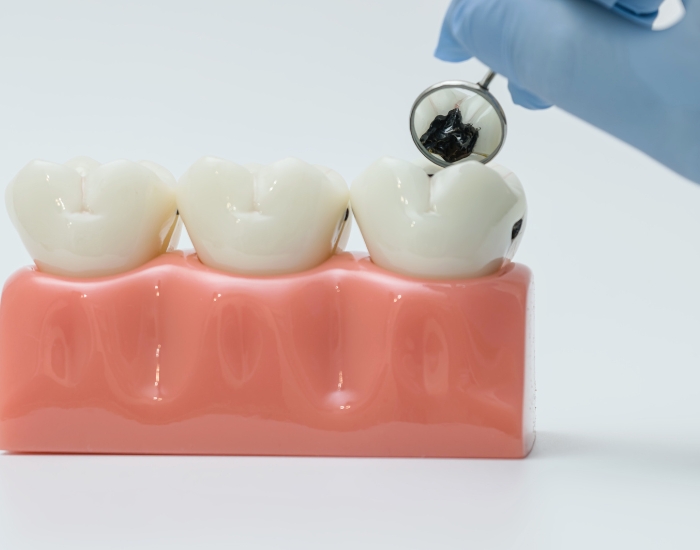
Common symptoms of tooth decay include white, brown or black spots, visible pits or holes, sensitivity to hot, cold or sweet foods, pain when biting, bad breath and a bad taste. Early decay may show no symptoms at all.
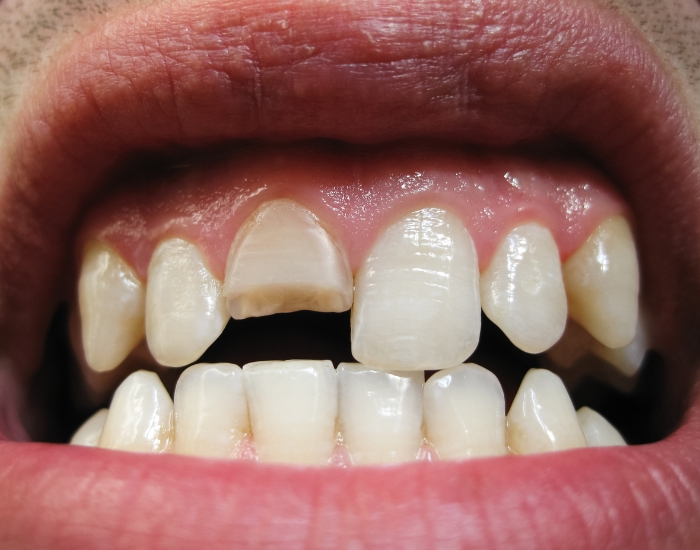
As the cavity worsens, you may notice a persistent toothache, food catching in one spot, or a rough or sharp edge you can feel with your tongue. Decay can progress quickly once it reaches the softer dentin, so early detection at a dental visit is important. If a cavity has caused a tooth to break, our article on broken tooth pain explains what to do.
What are the stages of tooth decay pain?
Tooth decay pain usually develops in stages as the cavity moves inward. In the enamel stage there may be little or no pain, in the dentin stage sensitivity becomes noticeable and in the pulp stage the pain becomes sharp, throbbing and sometimes comes with swelling.
Pain that lingers after hot or cold, wakes you at night or throbs on its own suggests the cavity has reached the pulp. At that point, a simple filling is often no longer enough. Our guide to tooth nerve pain explains how an irritated nerve feels.
| Stage | What is happening | What you may feel | Typical treatment |
|---|---|---|---|
| 1. Early enamel demineralization | White chalky spots as minerals are lost | Usually nothing | Fluoride and better home care |
| 2. Enamel cavity | A small hole forms in the enamel | Little or no pain | Small filling |
| 3. Dentin decay | Decay spreads faster in softer dentin | Sensitivity to sweets, hot and cold | Filling, sometimes a crown |
| 4. Pulp involvement | Bacteria reach the nerve | Sharp, lingering or throbbing pain | Root canal or extraction |
| 5. Abscess | Infection spreads to the root and bone | Severe pain, swelling, bad taste, fever | Urgent drainage, root canal or extraction |
Think you have a cavity?
Walk-In Dental Clinic in Katy can check the tooth, explain your options and costs and often treat it the same day.
Why do cavities cause pain?
Cavities cause pain because decay weakens the tooth and exposes its sensitive inner layers. Once enamel is breached, bacteria and temperature changes reach the dentin, which has tiny tubes leading to the nerve, and eventually the pulp itself.
The pulp contains nerves and blood vessels, so when it becomes inflamed or infected, it sends strong pain signals. Because the pulp is enclosed in hard walls, swelling inside it has nowhere to go, which is why deep decay pain can feel intense and pulsing. Pressure from biting or chewing can also flex a weakened tooth and increase discomfort. When the pain is pulsing, read our article on throbbing tooth pain.
How is tooth decay treated?
Tooth decay treatment depends on how far the cavity has progressed. Early decay may be stopped with fluoride and better hygiene, most cavities are repaired with a filling, decay that reaches the nerve may need a root canal and a crown, and a tooth that is too damaged may need to be extracted.
- 1. Fluoride and monitoring for early white-spot lesions that have not formed a hole.
- 2. A tooth-colored filling to remove decay and rebuild the tooth.
- 3. A crown when a large cavity leaves the tooth weak.
- 4. Root canal treatment when decay has infected the nerve.
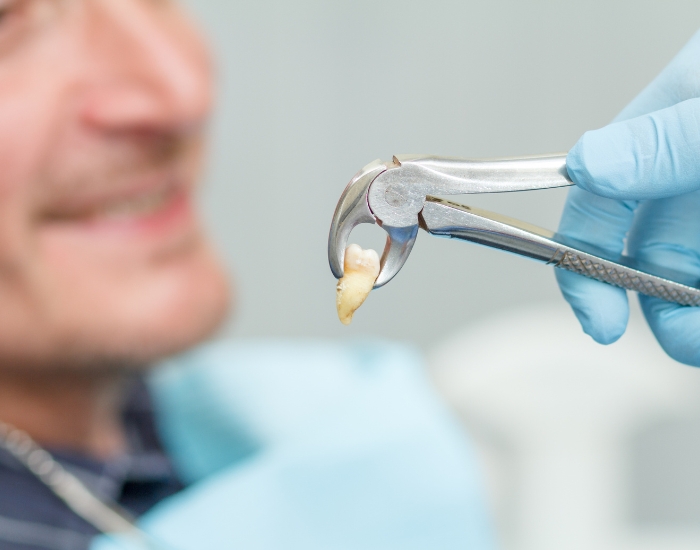
- 5. Extraction when the tooth cannot be restored, followed by a discussion of replacement options.
Your dentist will recommend the option that best fits the tooth, and at Walk-In Dental Clinic we explain each choice and its cost before treatment begins. You can review insurance and payment options on our payment and dental insurance page.
What are the signs of advanced tooth decay?
Signs of advanced tooth decay include persistent pain, severe sensitivity, dark spots or large visible holes, pain when biting, gum swelling or tenderness and a bad taste or bad breath. In some cases, an abscess forms and causes swelling of the face or jaw.
Advanced decay can lead to infection and tooth loss if left untreated, so it is important to get dental care promptly. A tooth that suddenly stops hurting after a long period of pain is not necessarily better; the nerve may have died while infection continues to spread. Learn more about tooth infection pain and whether tooth decay can become life-threatening.
How can I ease tooth decay pain until my appointment?
You can ease tooth decay pain temporarily by keeping the area clean, rinsing with warm salt water, avoiding sweets and very hot or cold foods and taking an over-the-counter pain reliever as directed. These steps do not stop decay, so the tooth still needs treatment.
- Brush gently and floss to remove trapped food.
- Rinse with warm salt water a few times a day.
- Avoid sugary, sticky, very hot and very cold foods.
- Chew on the other side of your mouth.
- Use a cold compress on the cheek if the area is sore.
How can I prevent tooth decay pain?
You can prevent most tooth decay pain with fluoride, consistent brushing and flossing, fewer sugary snacks and regular checkups that catch cavities while they are still small and painless.
- Brush twice daily with fluoride toothpaste and floss once a day.
- Limit sugary snacks and drinks, especially sipping throughout the day.
- Drink water after meals to rinse away food and acids.
- Consider a fluoride mouthwash if your dentist recommends one.
- Keep regular cleanings and exams so decay is found early.
Same-Day Care Near Katy, Cypress & Fulshear
Walk-In Dental Clinic is located at 20919 Kingsland Blvd, Katy, TX 77450, just off I-10 with easy access from the Grand Parkway. We are open 7 days a week, including evenings, Saturdays and Sundays, and see same-day patients from Katy, Cinco Ranch, Fulshear, Cypress, Richmond, Sugar Land and the rest of Greater Houston. Call ahead and we can assess your symptoms by phone and be ready when you arrive.
Same-day dental care, 7 days a week
Tell us what is happening and we will get you in as soon as possible.
Frequently Asked Questions
What does early tooth decay feel like?
Early decay often feels like nothing at all. Some people notice mild sensitivity to sweets, hot or cold. Because early cavities rarely hurt, regular checkups are the best way to catch them.
Can a cavity cause sharp pain when biting?
Yes. A cavity that has reached the dentin or weakened the tooth can cause sharp pain when you bite or chew. It can also mean the tooth has cracked around the decay, so it should be checked soon.
What happens if tooth decay reaches the nerve?
When decay reaches the nerve, it can cause intense, lingering or throbbing pain and lead to infection. The tooth often needs a root canal to be saved, or an extraction if it cannot be restored.
How is tooth decay pain treated?
Treatment depends on the depth of the cavity and may include fluoride, a filling, a crown, a root canal or extraction. Your dentist confirms how deep the decay is with an exam and X-rays.
What are the signs of advanced tooth decay?
Signs include persistent pain, swelling, visible holes, dark spots, bad breath and a bad taste. These suggest the decay may have reached the nerve or caused an infection that needs prompt care.
Can a cavity heal on its own?
Very early mineral loss can sometimes be reversed with fluoride and good home care. Once a cavity has formed a hole, it cannot heal on its own and will keep growing until it is treated.
Where can I get a cavity treated quickly near Katy, Cypress or Fulshear?
Walk-In Dental Clinic at 20919 Kingsland Blvd in Katy offers same-day and walk-in visits 7 days a week. Call (713) 999-5328 and we can tell you what to expect before you arrive.
Final Thoughts
Tooth decay pain often starts as mild sensitivity but can become severe once a cavity reaches the inner layers of the tooth. Treating decay early keeps the repair small, comfortable and more affordable, and protects you from infection and tooth loss. If you have tooth decay pain or think you have a cavity, call Walk-In Dental Clinic at (713) 999-5328 or walk in to our Katy office, open 7 days a week.
Further reading
- American Dental Association patient resource: MouthHealthy.org
- U.S. National Library of Medicine: MedlinePlus, Tooth Disorders
Medical disclaimer: This content is for informational purposes only and does not constitute medical or dental advice. Always consult a licensed dental professional about your own symptoms. In a medical emergency, call 911.