
A chipped front tooth can be alarming. Many patients notice it while looking in the mirror or after accidentally biting into a hard snack. The damage may seem minor at first, but even a small chip can affect both appearance and function. Deciding whether to wait for a regular dental visit, visit a walk-in clinic, or address the damage immediately often leaves patients feeling unsure. Understanding the causes, symptoms, and care options for a front incisor chipped tooth helps you make confident decisions for your oral health.
Table of Contents
- What Is a Front Incisor Chipped Tooth?
- Common Causes of Chipped Front Incisors
- Symptoms to Watch For
- When to Seek Professional Dental Care
- Evaluation and Treatment Options
- Prevention and Oral Care Tips
- Key Takeaways
- Where to Seek Professional Help
- FAQs About Front Incisor Chipped Tooth
- Final Thoughts
What Is a Front Incisor Chipped Tooth?
The front incisors are the teeth at the center of your smile. They play a crucial role in:
- Biting into food
- Speaking clearly
- Supporting the appearance of your smile
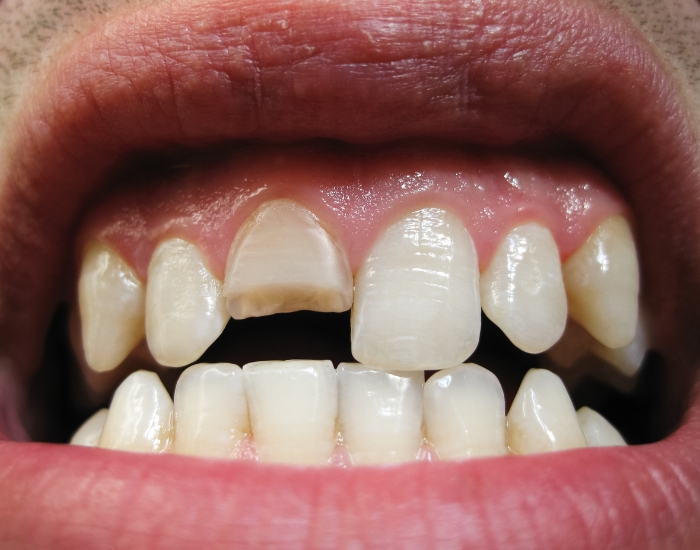
A front incisor chipped tooth occurs when part of the enamel or tooth structure breaks off due to trauma, biting hard foods, or accidents. Even minor chips can cause sensitivity, discomfort, or cosmetic concerns.
Common Causes of Chipped Front Incisors
Dental professionals often see several reasons why front incisors chip. Some common causes include:
Accidental Trauma
Falls, sports injuries, or accidental bumps can fracture the front teeth.
Biting Hard Foods
Crunching ice, nuts, or hard candies can stress enamel and lead to chips.
Teeth Grinding or Clenching
Habitual grinding (bruxism) weakens tooth structure over time.
Cavities or Tooth Decay
Weak spots caused by decay make enamel more likely to chip.
Age and Wear
Enamel naturally wears down with age, making teeth more fragile.
Symptoms to Watch For
A chipped front incisor can present in various ways. Symptoms include:
- Visible notch, crack, or chip in the front tooth
- Sensitivity to hot, cold, or sweet foods
- Pain or discomfort when biting
- Rough edges that may irritate the tongue or lips
- Aesthetic concerns affecting your smile
Even small chips can progress if left untreated, making early evaluation important.
When to Seek Professional Dental Care
Patients should consider visiting a dentist if they experience:
- Persistent tooth pain
- Swelling or redness around the gums
- Sensitivity that interferes with eating
- Broken or cracked front teeth
- Loose teeth or changes in bite
- Damage affecting your smile or confidence
Prompt dental care prevents complications such as infection, further chipping, or long-term cosmetic issues.
Evaluation and Treatment Options
Dentists follow a structured approach for a front incisor chipped tooth:
Examination and X-Rays
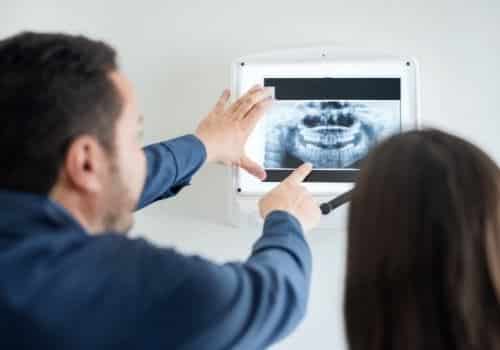
A thorough visual inspection and dental X-rays help assess the extent of damage and check for hidden fractures.
Cosmetic Bonding
Minor chips can often be repaired using tooth-colored resin, restoring appearance and function.
Veneers or Crowns
For larger chips or structural damage, porcelain veneers or crowns provide durable and natural-looking protection.
Root Canal Therapy
If the chip exposes the tooth pulp, root canal therapy may be necessary to prevent infection.
Tooth Extraction
In rare cases where the tooth cannot be restored, extraction may be recommended. Clinics offering teeth pulled near me can provide safe and efficient care if needed.
Patients may also discuss cosmetic touch-ups and preventive options to avoid recurrence. Visiting a walk-in dentist near me ensures timely evaluation and treatment for sudden chips.
Prevention and Oral Care Tips
Maintaining healthy front incisors reduces the risk of chips and fractures:
Brush and Floss Regularly
Brushing twice daily with fluoride toothpaste removes plaque and strengthens enamel. Flossing reaches areas between teeth where brushes cannot.
Avoid Hard Foods
Limit biting ice, hard candies, or other non-food items.
Wear Protective Gear
Use a mouthguard for sports or activities that risk dental injury.
Treat Grinding or Clenching
Dentists may provide night guards to protect teeth from bruxism.
Routine Dental Visits
Regular checkups allow dentists to detect early enamel wear, cavities, or minor chips before they worsen.
Key Takeaways
A front incisor chipped tooth affects both function and appearance. Common issues include:
- Accidental trauma
- Biting hard foods
- Bruxism or grinding
- Cavities or decay
- Age-related enamel wear
Modern dentistry provides multiple solutions, such as bonding, veneers, crowns, and root canal therapy. Early recognition of symptoms, good oral hygiene, and preventive habits are essential for maintaining healthy front teeth.
Where to Seek Professional Help
Patients in the Katy, Texas area can consider visiting:
Walk-In Dental Clinic – Katy, TX
Services include:
- Emergency dental care for sudden tooth damage
- Walk-in visits for same-day evaluation
- Cosmetic and restorative treatments for chipped teeth
- Tooth extractions and teeth pulled near me services
- Guidance for preventing further dental injuries
Early intervention ensures your smile remains healthy and functional.
From early evaluation to expert wisdom teeth removal, get the advanced care you need to relieve discomfort, prevent complications, and protect your long-term oral health with confidence.
FAQs About Front Incisor Chipped Tooth
1. Can a chipped front tooth repair itself?
No. Enamel does not regenerate. Professional repair is necessary to restore function and prevent complications.
2. Is a chipped tooth painful?
Pain depends on the size of the chip. Small chips may cause sensitivity, while larger fractures can expose nerves and cause significant discomfort.
3. How quickly should I see a dentist after chipping a tooth?
As soon as possible. Same-day evaluation at a walk-in dentist near me is ideal to avoid infection or further damage.
4. Can bonding match the natural tooth color?
Yes. Modern bonding materials are designed to blend seamlessly with natural enamel.
5. Are veneers better than bonding for chips?
Veneers are ideal for larger chips or cosmetic concerns, while bonding works well for smaller, isolated chips.
Final Thoughts
A chipped front incisor can be stressful, but prompt care and modern dental treatments make restoration straightforward and effective. Maintaining good oral hygiene, protecting teeth during physical activities, and addressing issues early with a trusted dental professional ensures a confident, healthy smile.
Disclaimer: This content is for educational purposes only and is not a substitute for professional medical advice. Consult a licensed dentist for evaluation and treatment of any dental concerns.