Throbbing tooth pain is a pulsing, rhythmic ache that usually means the nerve inside a tooth is inflamed or infected, most often from a deep cavity, a crack, a gum infection or an abscess. It rarely goes away for good without treatment, and it should be checked by a dentist, especially if it comes with swelling or fever.
Unlike brief sensitivity to cold, a throbbing toothache can feel like a heartbeat inside your tooth. Many people notice it most at night or when lying down, and it can disrupt sleep, eating and work. This guide explains what causes throbbing tooth pain, the symptoms to watch for, how to get temporary relief and how dentists treat it. Walk-In Dental Clinic in Katy offers same-day appointments 7 days a week for patients in Katy, Cypress, Fulshear and Greater Houston.
- A throbbing toothache usually means inflammation or infection inside the tooth or at its root.
- Deep cavities, cracked teeth, gum infections and abscesses are the most common causes.
- The pulsing often gets worse at night because lying down raises pressure around the tooth.
- Salt-water rinses, a cold compress and over-the-counter pain relievers help short term only.
- Swelling with trouble breathing or swallowing, or swelling spreading to the eye or neck, needs the ER or 911.
What is throbbing tooth pain?
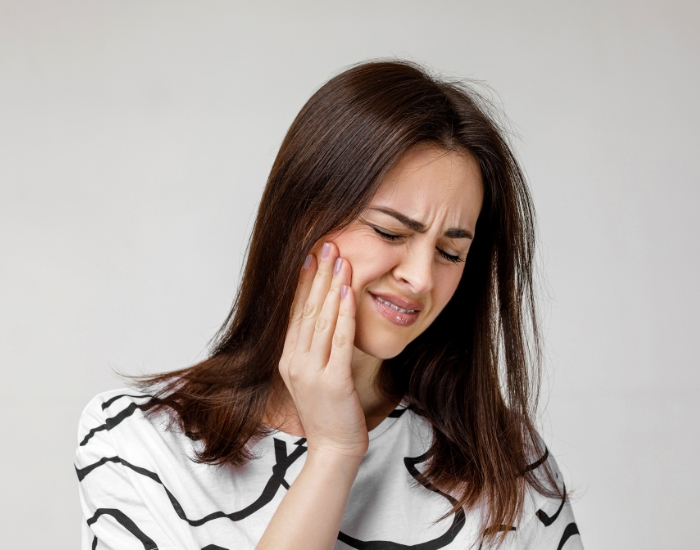
Throbbing tooth pain is an ache that pulses in waves inside a tooth or the gum around it. It happens when the nerve and blood vessels in the pulp become irritated, inflamed or infected, so each pulse of blood flow pushes on tissue that has no room to swell.
This kind of pain is usually stronger than ordinary sensitivity and can make it hard to sleep, eat or concentrate. Because the pulsing tells you something deeper is going on, it should be evaluated by a dental professional instead of being managed with pain relievers alone. It often feels different from other kinds of tooth pain, as the table below shows.
| Type of pain | What it often means |
|---|---|
| Brief twinge with cold that fades in seconds | Sensitivity or exposed dentin |
| Sharp pain only when biting | Cracked tooth or damaged filling |
| Lingering ache after hot or cold | Inflamed nerve (pulpitis) |
| Constant pulsing or throbbing | Advanced inflammation, infection or abscess |
| Throbbing plus swelling or bad taste | Abscess that needs prompt treatment |
What causes throbbing tooth pain?
The most common cause of throbbing tooth pain is a deep cavity that has reached the nerve. When bacteria reach the pulp, they cause inflammation and pressure that you feel as pulsing pain. Several other problems can create the same sensation.
- Deep cavity: decay that reaches the pulp triggers inflammation and pressure.
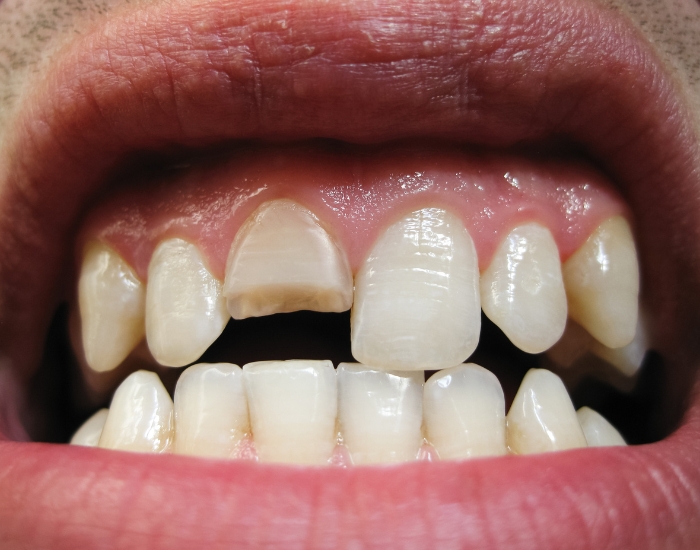
- Cracked or broken tooth: a break exposes the nerve to bacteria and temperature changes.
- Tooth abscess: a pocket of pus at the root tip creates intense, pulsing pressure.
- Gum infection: infection around the tooth can spread to the roots.
- Failed or leaking filling: bacteria get under an old filling and reach the nerve.
- Recent trauma: a hit to the mouth can inflame the nerve even without visible damage.
- Sinus infection: pressure can feel like throbbing in the upper back teeth.
If your pain is mainly sharp and electric rather than pulsing, our guide to tooth nerve pain explains the difference. When the cause is decay, see how tooth decay pain changes as a cavity grows deeper.
Why does throbbing tooth pain get worse at night?
Throbbing tooth pain gets worse at night because lying down increases blood flow and pressure in the head, which intensifies inflammation around the tooth. During the day, being upright helps keep that pressure lower.
There are also fewer distractions at night, so the pain feels more noticeable. Many people find the worst throbbing comes right before sleep or in the early morning hours. Raising your head with an extra pillow can ease some of that pressure until you can be seen. Read more in our article on tooth pain at night.
Can a tooth abscess cause throbbing tooth pain?
Yes. A tooth abscess is one of the most painful causes of throbbing tooth pain. It forms when infection in the pulp spreads to the root tip and creates a pocket of pus, which builds pressure and swelling that produce a strong pulsing ache.
Common signs of an abscess include swelling of the gum or face, a pimple-like bump on the gum, a bad taste or bad breath, fever and pain when you press on the tooth. Sometimes the pain suddenly eases if the abscess drains, but the infection is still there and still needs treatment. An abscess requires urgent dental care to stop the infection from spreading. Learn about tooth abscess treatment and gum abscess pain.
Throbbing toothache?
Do not wait for it to spread. Walk-In Dental Clinic in Katy sees same-day patients 7 days a week, including weekends.
What symptoms can come with throbbing tooth pain?
Throbbing tooth pain often comes with other symptoms that help show the cause and how urgent it is. Infection is more likely when the pulsing is joined by swelling, fever, a bad taste or swollen lymph nodes under the jaw.
- Sharp or persistent pain that does not improve
- Swelling around the tooth, gum or jaw
- Lingering sensitivity to hot or cold
- Pain when biting or chewing
- A bad taste or bad breath that will not go away
- Fever, swollen lymph nodes or facial swelling with infection
If you notice any of these along with throbbing, arrange a dental visit promptly. Our guide to the symptoms of a tooth infection goes into more detail.
How do dentists treat throbbing tooth pain?
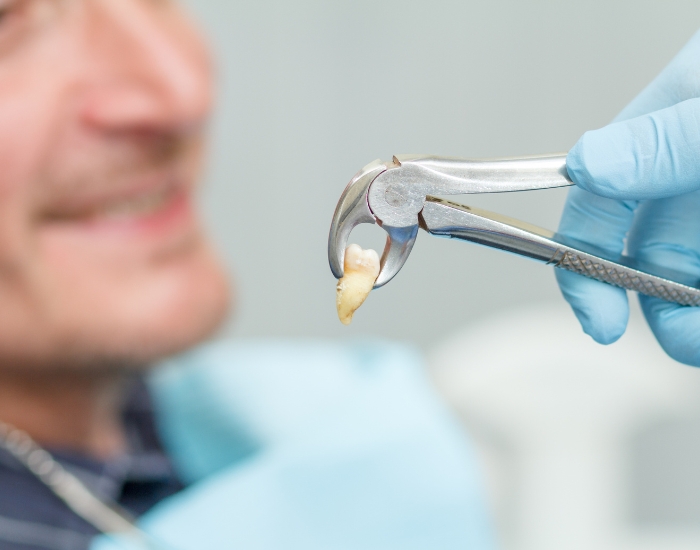
Dentists treat throbbing tooth pain by removing its source. Depending on the cause, that may mean a filling, a root canal, draining an abscess, deep cleaning for a gum infection or extracting a tooth that cannot be saved. Antibiotics may be prescribed when infection is present, but they work alongside treatment, not instead of it.
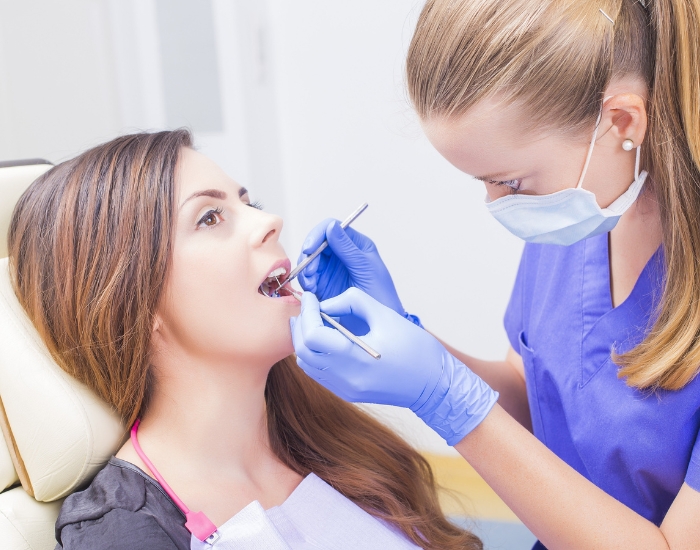
- 1. Exam and X-rays to find which tooth is affected and how deep the problem goes.
- 2. Pain relief and, when needed, numbing so treatment is comfortable.
- 3. Treatment of the cause: a filling for decay, a root canal for an infected nerve, drainage for an abscess or extraction for a tooth beyond repair.
- 4. A crown or other restoration to protect a tooth after a root canal or large repair.
- 5. Follow-up guidance on home care, medication and what to watch for.
Root canal treatment is often the fastest way to stop throbbing pain while keeping the tooth. If a tooth is too damaged, a tooth extraction ends the pain. We explain your options and the cost before we begin.
How can I relieve throbbing tooth pain at home?
You can ease throbbing tooth pain at home with a warm salt-water rinse, a cold compress on your cheek, soft foods and an over-the-counter pain reliever taken as directed. These steps help for hours, not days, so book a dental visit to fix the cause.
- Rinse with warm salt water to reduce inflammation and bacteria.
- Hold a cold compress on the cheek for about 15 minutes at a time.
- Take ibuprofen or acetaminophen as the label directs, if safe for you.
- Avoid very hot, very cold and sugary foods and drinks.
- Eat soft foods and chew on the other side.
- Sleep with your head raised.
Do not put aspirin directly on the gum, and do not use heat on a swollen face. If you need relief and care on a weekend, our Saturday and Sunday dental care page explains how to reach us.
When does throbbing tooth pain need urgent care?
Throbbing tooth pain needs urgent care if it is severe or worsening, comes with swelling, fever, pus or a bad taste, or lasts more than a few days. These signs suggest a serious infection that should be treated promptly, ideally the same day.
Walk-In Dental Clinic offers same-day emergency dental care in Katy. Call ahead and we can triage your symptoms by phone and be ready when you arrive.
How can I prevent throbbing tooth pain?
The best way to prevent throbbing tooth pain is to keep cavities and gum disease from reaching the nerve: brush twice daily, floss every day, limit sugar and keep regular checkups.
- Brush with fluoride toothpaste twice a day and floss daily.
- Limit sugary foods and drinks.
- Avoid chewing ice, pens and other hard objects.
- Wear a night guard if you grind your teeth.
- Have small cavities and sensitive teeth checked early.
Same-Day Care Near Katy, Cypress & Fulshear
Walk-In Dental Clinic is located at 20919 Kingsland Blvd, Katy, TX 77450, just off I-10 with easy access from the Grand Parkway. We are open 7 days a week, including evenings, Saturdays and Sundays, and see same-day patients from Katy, Cinco Ranch, Fulshear, Cypress, Richmond, Sugar Land and the rest of Greater Houston. Call ahead and we can assess your symptoms by phone and be ready when you arrive.
Same-day dental care, 7 days a week
Tell us what is happening and we will get you in as soon as possible.
Frequently Asked Questions
What causes throbbing tooth pain at night?
Lying down increases blood flow and pressure in the head, which intensifies inflammation in an irritated tooth. The underlying cause is usually a deep cavity, crack or infection that needs treatment. Raising your head can help you rest until you are seen.
Can a tooth abscess cause a pulsating toothache?
Yes. An abscess traps pus at the root or in the gum, and the pressure creates a strong pulsing ache. It needs prompt dental treatment, and swelling that affects breathing or swallowing needs the ER or 911.
How can I get relief from throbbing tooth pain?
Salt-water rinses, a cold compress and over-the-counter pain relievers taken as directed can help temporarily. Lasting relief comes from treating the cause, such as a filling, root canal or extraction.
Is throbbing tooth pain a sign of infection?
It often is, especially when it comes with swelling, fever, pus or a bad taste. Even without those signs, throbbing usually means the nerve is significantly inflamed and should be checked.
What is the most common treatment for throbbing tooth pain?
Treatment usually involves a filling, root canal or extraction depending on how deep the damage goes. Your dentist confirms the cause with an exam and X-rays before recommending a plan.
Will throbbing tooth pain go away on its own?
It may ease for a while, but the cause usually remains. Pain that stops suddenly can even mean the nerve has died or an abscess has drained, and the infection can still spread. Our article on whether toothaches go away explains why.
Can I get same-day treatment for throbbing tooth pain in Katy?
Yes. Walk-In Dental Clinic at 20919 Kingsland Blvd in Katy sees same-day and walk-in patients 7 days a week. Call (713) 999-5328 and we will be ready for you.
Final Thoughts
Throbbing tooth pain is a sign that a dental problem has reached a deeper stage, such as nerve inflammation or infection. Home care can take the edge off, but only professional treatment removes the cause and protects your tooth. If you have a pulsing toothache, call Walk-In Dental Clinic at (713) 999-5328 or walk in to our Katy office. We are open 7 days a week and can often treat you the same day.
Further reading
- American Dental Association patient resource: MouthHealthy.org
- U.S. National Library of Medicine: MedlinePlus, Tooth Disorders
Medical disclaimer: This content is for informational purposes only and does not constitute medical or dental advice. Always consult a licensed dental professional about your own symptoms. In a medical emergency, call 911.