A bicuspid premolar tooth extraction is usually recommended when a premolar is too decayed, fractured, infected or loose to save, or when an orthodontist needs space for braces. At Walk-In Dental Clinic in Katy, open 7 days a week, a dentist examines the tooth, takes X-rays, explains every option and its cost, and can often remove the tooth the same day.
Pain or pressure in a premolar can leave you unsure what to do next. Some people assume it is a small cavity that will settle down, while others notice swelling, pressure or a bite that suddenly feels off. Deciding whether to wait for a routine appointment or visit a walk-in clinic can be stressful. This guide explains what bicuspid premolars do, the most common reasons they are removed, what to expect during the procedure and how to care for your mouth afterward, so you can make a confident decision.
- Bicuspid premolars sit between the canines and the molars and help you both tear and grind food.
- Extraction is considered when decay, fracture, gum disease or infection makes the tooth unrestorable, or for orthodontic space.
- Most premolar extractions are done under local anesthesia, and many are simple extractions.
- Gentle care for the first few days protects the blood clot and speeds healing.
- Walk-In Dental Clinic in Katy offers same-day evaluation and extractions 7 days a week.
What Is a Bicuspid Premolar Tooth?
A bicuspid premolar is one of the transitional teeth between your canine (eye tooth) and your molars. Most adults have two premolars in each quadrant of the mouth, for a total of eight.
The name “bicuspid” comes from the two pointed cusps on the chewing surface of many premolars. That shape lets them do two jobs at once:
- Helping the canines tear and hold food
- Supporting the molars as they crush and grind
- Keeping your bite balanced from front to back
- Supporting the shape of your cheeks and smile line
Because they sit in the middle of the dental arch, premolars play a key role in bite alignment and chewing efficiency. When one is damaged or missing, the load shifts to neighboring teeth, including the lower molar chewing tooth, which can lead to wear, drifting or discomfort over time. If your premolar hurts but you are not sure why, our guide to premolar bicuspid tooth pain covers the most common causes.
Why Would a Bicuspid Premolar Need to Be Extracted?
A premolar is usually removed only when it cannot be saved with a filling, crown or root canal, or when it is blocking orthodontic treatment. Dentists always look at saving the natural tooth first. These are the situations where extraction becomes the safer choice:
- Severe tooth decay: cavities so large that there is not enough healthy structure left to hold a filling or crown.
- Advanced gum disease: periodontal disease that has destroyed the bone and tissue supporting the tooth, leaving it loose.
- Orthodontic treatment: some patients need one or more premolars removed to create room so crowded teeth can be aligned with braces.
- Trauma or fracture: a crack or break that runs deep below the gumline or splits the root.
- Infection or abscess: an infection that has damaged the tooth so badly that removing it is the safest way to stop it from spreading.
Not every painful premolar needs to come out. Many teeth with deep decay can be kept with root canal treatment and a crown. The X-ray and exam are what decide which path makes sense for you, and your dentist will explain why one option is recommended over another.
What Symptoms Suggest a Premolar Needs Attention?
Ongoing pain, swelling, sensitivity or a tooth that feels loose or cracked are all signs a premolar should be checked soon. Watch for:
- A persistent toothache or pressure in the premolar area
- Swelling of the gums or jaw near the tooth
- Sensitivity to hot, cold or sweet foods that lingers
- Difficulty chewing or speaking comfortably
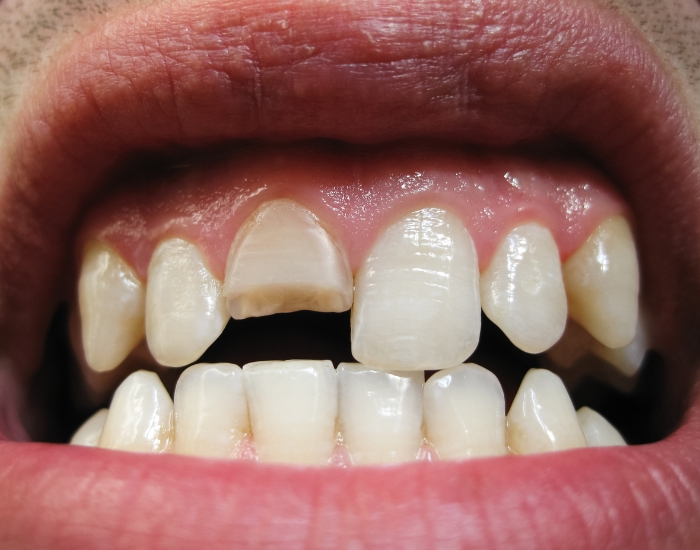
- Visible fractures, cracks or dark discoloration
- A tooth that feels loose or a bite that suddenly feels different
Early evaluation often means a simpler, less expensive fix. A small crack or cavity caught early may only need a filling, while the same problem left for months can progress to the point where extraction is the only option.
Premolar pain or swelling today?
Walk-In Dental Clinic in Katy sees same-day patients 7 days a week. We take X-rays, explain whether the tooth can be saved and what each option costs, and can often treat it in the same visit.
When Should You See a Dentist Right Away?
See a dentist the same day if the pain is severe or worsening, if there is swelling or pus, or if you have a fever or a bad taste in your mouth. These signs usually point to infection or a deep fracture. Seek prompt care for:
- Severe or steadily worsening pain
- Swelling or pus around the tooth
- Inability to chew or open your mouth comfortably
- Fever, a foul taste or bad breath that will not go away
- A broken premolar with sharp edges cutting your cheek or tongue
For urgent problems that are not life-threatening, a same-day emergency dental visit is the right step. Walk-In Dental Clinic is open 7 days a week, including evenings and weekends, so you do not have to wait until Monday.
What Happens During a Bicuspid Premolar Tooth Extraction?
A bicuspid premolar tooth extraction follows four steps: exam and X-rays, numbing, removal, and aftercare instructions. Knowing the sequence ahead of time makes the visit feel far less intimidating.
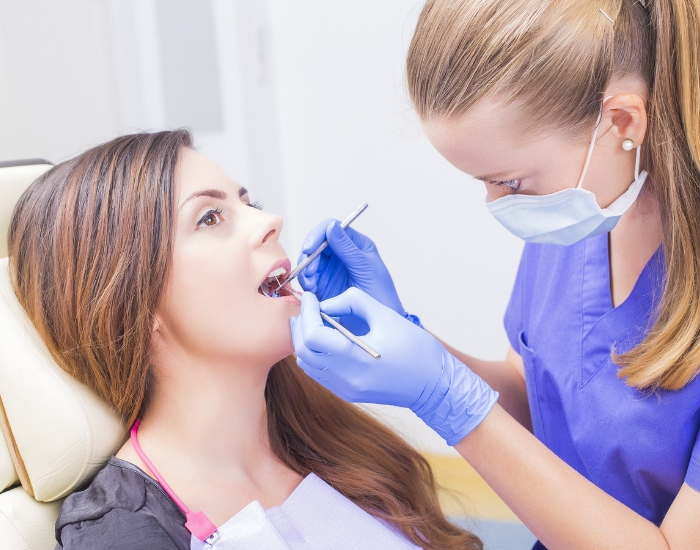
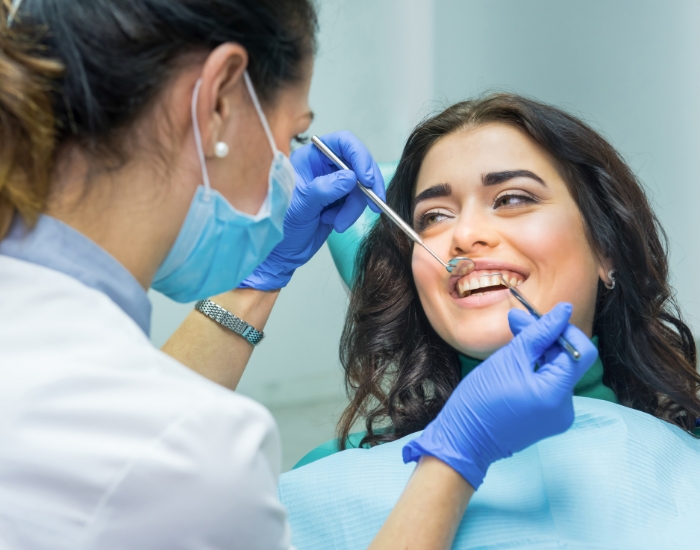
- Examination and imaging: the dentist checks the tooth and takes X-rays to see the root shape, the surrounding bone and how close the tooth is to its neighbors.
- Local anesthesia: the area is numbed so you feel pressure but not sharp pain. Comfort options are discussed with you before treatment begins.
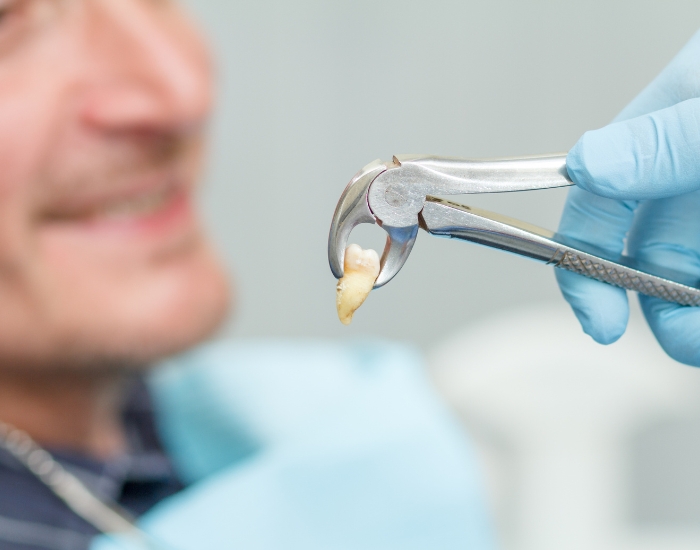
- Tooth removal: in a simple extraction the dentist gently loosens the tooth and lifts it out. A surgical extraction may be needed if the tooth is broken at the gumline, has curved roots or is impacted.
- Post-extraction care: you bite on gauze to control bleeding and receive clear instructions on eating, cleaning and managing soreness.
Most premolars have one or two roots, so many are straightforward simple extractions. When a tooth is fractured below the gum or the roots are complex, our team performs surgical extractions in the office. Before anything starts, we explain the plan and the cost so there are no surprises.
How Do You Recover After a Premolar Extraction?
Most people feel noticeably better within a few days, and the gum usually closes over in one to two weeks with good home care. The goal of the first 24 to 48 hours is to protect the blood clot that forms in the socket, because that clot is the foundation for healing.
Immediate care
- Bite gently on gauze to control bleeding, replacing it as directed.
- Avoid rinsing, spitting forcefully or using a straw for the first 24 hours.
- Apply a cold pack to the cheek in short intervals to limit swelling.
- Rest with your head slightly raised on the first night.
- Eating and drinking: stick to soft foods such as yogurt, eggs, soup that has cooled and mashed potatoes for the first few days, and avoid hot, spicy or crunchy foods.
- Oral hygiene: brush carefully, avoiding the extraction site at first, then rinse gently with warm salt water after 24 hours.
- Follow-up: keep any scheduled check-up and call if you notice increasing swelling, bleeding that will not stop or a bad taste that suggests infection.
Some soreness is normal for a few days. If pain suddenly gets worse two to four days after the extraction, it may be a dry socket, which is easy to treat in the office. Our article on how much a tooth extraction hurts explains what is typical and what is not.
Do You Need to Replace an Extracted Premolar?
Often yes, unless the tooth was removed for braces, because the gap can let nearby teeth drift and change your bite. When a premolar is removed for orthodontic reasons, the braces close the space on purpose. In other cases, your dentist will talk with you about replacement once the area heals.
Common options include a dental implant, which replaces the root and crown, or a fixed dental bridge that anchors to the teeth on either side. Replacing the tooth keeps chewing balanced and protects the surrounding teeth from extra wear.
How Can You Lower the Risk of Losing a Premolar?
Daily brushing and flossing, regular check-ups and protecting your teeth from trauma prevent most of the problems that lead to premolar extraction.
- Brush twice a day with fluoride toothpaste and floss daily to remove plaque between teeth.
- Keep routine dental visits so decay, gum disease or cracks are caught early.
- Wear a mouthguard for contact sports and active recreation.
- Avoid chewing ice, hard candy, pens and sticky snacks that crack or pull on teeth.
- Ask about a night guard if you grind or clench your teeth.
- Have small cavities treated early with tooth-colored fillings before they reach the nerve.
Same-Day Care Near Katy, Cypress & Fulshear
Walk-In Dental Clinic is located at 20919 Kingsland Blvd, Katy, TX 77450, just off I-10 with easy access from the Grand Parkway. We are open 7 days a week, including evenings, Saturdays and Sundays, and see same-day patients from Katy, Cinco Ranch, Fulshear, Cypress, Richmond, Sugar Land and the rest of Greater Houston. Call ahead and we can assess your symptoms by phone and be ready when you arrive.
Same-day dental care, 7 days a week
Tell us what is happening and we will get you in as soon as possible.
Frequently Asked Questions
Is bicuspid premolar extraction painful?
Local anesthesia numbs the area, so most patients feel pressure rather than pain during the procedure. Afterward, soreness for a few days is common and is usually managed with over-the-counter or prescribed pain relief as your dentist advises.
How long does it take to recover from a premolar extraction?
Most patients feel much better within a few days, and the gum typically heals over in one to two weeks. Full healing of the bone underneath takes longer, especially after a surgical extraction.
Can a premolar be saved instead of extracted?
In many cases, yes. Fillings, crowns or root canal treatment can preserve the tooth, and extraction is recommended only when saving it is not realistic or safe.
Why do orthodontists sometimes remove premolars?
When teeth are very crowded, removing one or more premolars creates the space needed to line up the remaining teeth with braces. The orthodontist and dentist coordinate which teeth to remove and when.
Can I walk in for a premolar extraction in Katy?
Yes. Walk-In Dental Clinic at 20919 Kingsland Blvd accepts same-day and walk-in patients 7 days a week. Calling ahead at (713) 999-5328 lets us triage your symptoms and be ready when you arrive.
What should I eat after a premolar is removed?
Choose soft, lukewarm foods such as yogurt, scrambled eggs, smoothies eaten with a spoon and mashed vegetables for the first few days. Avoid straws, crunchy snacks and very hot or spicy foods until the site settles.
Does insurance cover a bicuspid premolar tooth extraction?
Many dental plans cover extractions, and we accept most dental insurance. If you do not have insurance, we offer discounts and payment plans, and the cost is explained before treatment begins.
How can I reduce my risk of needing an extraction?
Brush and floss daily, keep regular check-ups, wear a mouthguard for sports and treat cavities or gum problems early. Small problems are far easier and less costly to fix than a badly damaged tooth.
Final Thoughts
A bicuspid premolar tooth extraction can feel daunting, but knowing why it is recommended, what happens during the visit and how to care for the site afterward takes much of the worry away. Prompt treatment protects the teeth around it, stops infection from spreading and supports your long-term oral health. If a premolar is hurting, cracked or swollen, call Walk-In Dental Clinic at (713) 999-5328 or stop by our Katy office, open 7 days a week, and we will help you choose the right next step.
Further reading
- American Dental Association patient resource: MouthHealthy.org
- U.S. National Library of Medicine: MedlinePlus, Tooth Disorders
Medical disclaimer: This content is for informational purposes only and does not constitute medical or dental advice. Always consult a licensed dental professional about your own symptoms. In a medical emergency, call 911.