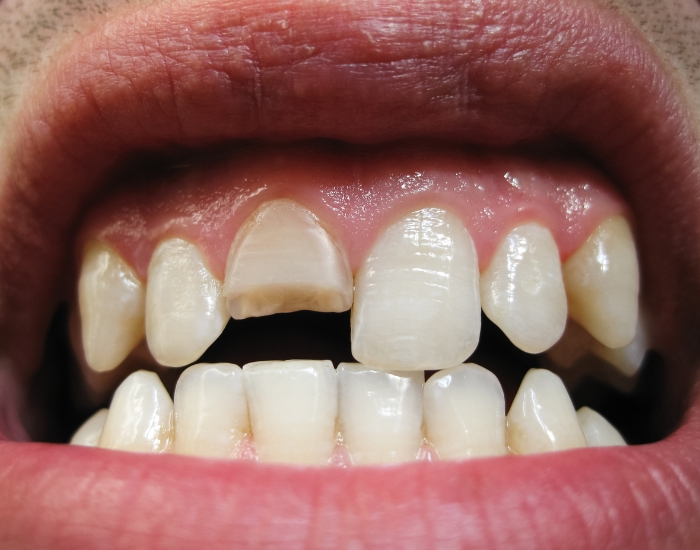

The main signs you need an emergency dental extraction are severe pain from a tooth that cannot be repaired, a spreading infection with swollen gums, a badly broken or very loose tooth, a failing crown or filling over a tooth beyond repair, and serious trauma to the mouth. A dentist confirms whether the tooth can be saved first. Walk-In Dental Clinic at 20919 Kingsland Blvd in Katy is open 7 days a week with same-day and walk-in visits for patients from Katy, Cypress, Fulshear and Greater Houston.
Dental emergencies can happen at any time, and knowing when an extraction is urgent can prevent complications and severe pain. Not every dental problem needs a tooth removed. Many teeth can be saved with a filling, crown or root canal. But some signs mean prompt care is needed, and an emergency extraction can relieve pain, stop infection and protect the teeth around it. This guide explains the most common signs, how to respond and how to find timely care.
- Saving the tooth is always considered first; extraction is for teeth that cannot be repaired or are causing spreading infection.
- Severe, constant pain, swollen gums with pus, and loose or split teeth are the most common warning signs.
- A crown or filling that hurts may hide decay or infection underneath.
- Mouth injuries need prompt care to control bleeding, pain and infection.
- Facial swelling with trouble breathing or swallowing, or spreading toward the eye or neck, needs the ER or 911.
Can severe tooth pain mean you need an emergency extraction?
Yes. Intense, persistent tooth pain can mean the tooth is too decayed, infected or damaged to save, especially when it comes with constant throbbing or pain on chewing. A dentist examines the tooth and X-rays first to see whether it can be repaired.
Pain can come from deep decay, infection or an impacted tooth pressing on its neighbors. Lingering sensitivity to hot or cold, constant throbbing, or trouble chewing can mean the damage has gone past what routine treatment can fix. In many cases a root canal can still save the tooth, so the decision is made only after an exam. Prompt evaluation at a walk-in dentist for emergency extraction brings pain relief before the condition worsens. If pain is your main symptom, see severe tooth pain causes.
Do swollen or infected gums mean a tooth must come out?
Swollen, red and tender gums with pus or a bad taste can signal a serious infection, and if the tooth is the source and cannot be saved, removing it is often the fastest way to stop the infection. Infections can move quickly, so a prompt evaluation matters.
A dental infection can cause fever and significant discomfort and can affect your overall health if it spreads to other teeth or tissues. Watch for these signs:
- Persistent swelling or redness in the gums
- Pain that gets worse over time or with pressure
- Pus, a pimple-like bump on the gum or a foul taste
- Fever or a general feeling of illness
- Difficulty chewing or opening your mouth fully
- Swelling that spreads into the cheek or jaw
Prompt care, including extraction when it is needed, helps protect your oral health and prevents more serious problems. Read more about tooth infection pain and abscess and swollen jaw treatment.
When does a loose, cracked or broken tooth need to be pulled?
A tooth that is split, broken below the gum line, cracked into the root, or very loose from bone loss often cannot be restored, making extraction the safest option. Teeth with smaller breaks can usually be repaired.
Accidents, sports injuries and biting hard foods can all compromise a tooth. Advanced gum disease can also loosen teeth as the supporting bone breaks down. The dentist checks how much healthy tooth and bone remain before deciding. See broken tooth pain and cracked tooth pain for repair options when the tooth can be saved, and simple extractions when it cannot.
| Situation | Usually repairable? |
|---|---|
| Small chip or crack in the crown of the tooth | Yes, with bonding or a crown |
| Crack reaching the nerve but not the root | Often, with root canal and crown |
| Vertical crack into the root or split tooth | Usually not; extraction is common |
| Break well below the gum line | Often not |
| Tooth very loose from bone loss | Often not |
Can a painful crown or filling be a sign you need an extraction?
Sometimes. A crown or filling that hurts can hide decay, infection or a crack underneath, and if the tooth below cannot be restored, extraction may be needed. Often the problem can be fixed with a new filling, crown or root canal instead.
If a tooth cap is hurting, the cause may be an infection, new decay at the edge, a poor fit or a fracture under the crown. Pain that does not improve after an adjustment needs a closer look. Prompt evaluation prevents more damage to nearby teeth and lowers the risk of infection. If a crown or filling has come off, see what to do when a crown falls off and dental filling fell out.
Think a tooth needs to come out?
Call (713) 999-5328 for quick phone triage or walk in. Walk-In Dental Clinic in Katy is open 7 days a week for same-day extractions.
Does an injury to the mouth require an emergency extraction?
An injury that breaks a tooth badly, splits it or damages the root may require an extraction, and any mouth injury needs prompt care to control pain and bleeding and to prevent infection. A knocked-out tooth, by contrast, may be saved if you act fast.
- 1. Rinse gently with warm water and press clean gauze on any bleeding for about 10 minutes.
- 2. Apply a cold compress to the cheek to limit swelling.
- 3. Save any broken pieces or a knocked-out tooth in milk and bring them with you.
- 4. Avoid chewing on the injured side.
- 5. Call the clinic and come in as soon as possible.
If the injury involves a possible broken jaw, loss of consciousness or heavy bleeding that will not stop, go to the ER first. For a tooth that came out completely, read tooth knocked out: what to do.
What happens during an emergency extraction visit?
The dentist examines the tooth, takes X-rays, explains whether it can be saved and what each option costs, and, if extraction is the best choice, numbs the area and removes the tooth. You can ask questions at every step.
Fully visible teeth are usually removed with a simple extraction. Teeth that are broken at the gum line or impacted may need a surgical extraction. Comfort options are discussed with you before treatment. You leave with written aftercare instructions and a plan for replacing the tooth if needed, such as a dental implant or bridge. For more on what it feels like, see how bad tooth extraction hurts.
How do you find a walk-in dentist for an emergency extraction?
Choose a clinic that accepts walk-ins, offers same-day appointments and is open on weekends, and call ahead so the team can triage your symptoms. That way you are seen quickly without waiting days for an opening.
Walk-In Dental Clinic is open 7 days a week, including evenings and weekends, on Kingsland Blvd just off I-10 with easy access from the Grand Parkway. Patients come from Katy, Cinco Ranch, Cypress, Fulshear, Richmond and across Greater Houston. The team can assess your situation, relieve pain and decide whether extraction is needed in the same visit. Learn more on walking in for a tooth extraction without an appointment.
What should recovery look like after an emergency extraction?
Recovery after an emergency extraction follows the same basic rules as a planned one: protect the blood clot, control swelling, eat soft foods and watch for signs of infection. Follow your dentist’s instructions closely.
- Bite on gauze as directed to control bleeding.
- Take prescribed or recommended pain medicine as directed and use ice in short intervals on the first day.
- Eat soft foods during the first days of healing.
- Avoid smoking and straws to prevent dry socket.
- Keep the area clean with gentle rinsing as instructed.
- Call the clinic if pain gets worse after a few days, bleeding continues, or you notice swelling, fever or discharge.
What affects the cost of an emergency extraction?
The cost depends on whether the tooth needs a simple or surgical extraction, how it is positioned, X-rays and any medication, and your insurance; Walk-In Dental Clinic explains the price before treatment begins. There are no hidden charges.
The clinic accepts most dental insurance on an indemnity basis, cash, debit, Visa, Mastercard, American Express and Discover, and offers discounts and payment plans for patients without insurance. See tooth extraction cost factors and the payment and insurance page.
Same-Day Care Near Katy, Cypress & Fulshear
Walk-In Dental Clinic is located at 20919 Kingsland Blvd, Katy, TX 77450, just off I-10 with easy access from the Grand Parkway. We are open 7 days a week, including evenings, Saturdays and Sundays, and see same-day patients from Katy, Cinco Ranch, Fulshear, Cypress, Richmond, Sugar Land and the rest of Greater Houston. Call ahead and we can assess your symptoms by phone and be ready when you arrive.
Same-day dental care, 7 days a week
Tell us what is happening and we will get you in as soon as possible.
Frequently Asked Questions
How do I know if I need an emergency tooth extraction?
Severe pain that will not stop, swollen gums with pus, a tooth that is split or broken below the gum, a very loose tooth, or a serious injury are common signs. Only a dental exam and X-ray can confirm whether the tooth can be saved. When in doubt, call and describe your symptoms.
Can a dentist pull an infected tooth the same day?
Often, yes. In many cases removing the infected tooth is part of clearing the infection. Sometimes the dentist treats the infection first and removes the tooth at a follow-up, depending on the swelling and the tooth’s position.
Is it better to save a tooth or pull it?
Keeping your natural tooth is usually best when it can be restored with a filling, crown or root canal. Extraction is recommended when the tooth cannot be repaired or keeps causing infection. Your dentist explains the pros, cons and cost of each option.
Does an emergency extraction hurt?
The area is numbed before the tooth is removed, so most people feel pressure rather than sharp pain during the procedure. Some soreness afterward is normal and usually improves over several days. Comfort options are discussed with you.
When should I go to the ER instead of the dentist?
Go to the ER or call 911 if you have facial swelling with trouble breathing or swallowing, swelling spreading toward your eye or neck, a possible broken jaw, or bleeding that will not stop. For most toothaches and dental infections, a dentist can treat the cause.
Can I walk in for an emergency extraction in Katy?
Yes. Walk-In Dental Clinic at 20919 Kingsland Blvd in Katy accepts walk-in and same-day patients 7 days a week. Calling (713) 999-5328 first helps the team prepare for your visit.
How long does it take to recover from an emergency extraction?
Most people return to normal activities within a day or two and feel steadily better over the following days, though the socket takes longer to fully heal. Following aftercare instructions helps prevent dry socket and infection.
Final Thoughts
Recognizing the signs of a dental emergency protects your oral health and helps you avoid complications. Severe pain, swelling, damaged or loose teeth, injuries and painful crowns or fillings should never be ignored. Sometimes the tooth can be saved, and sometimes an emergency extraction is the best way to stop pain and infection. Walk-In Dental Clinic in Katy offers same-day exams and extractions 7 days a week, explains every option and the cost before treatment, and supports you through recovery. If you notice any of these warning signs, call (713) 999-5328 or walk in.
Further reading
- American Dental Association patient resource: MouthHealthy.org
- U.S. National Library of Medicine: MedlinePlus, Tooth Disorders
Medical disclaimer: This content is for informational purposes only and does not constitute medical or dental advice. Always consult a licensed dental professional about your own symptoms. In a medical emergency, call 911.