Cracked tooth pain is usually a sharp, on-and-off pain when you bite or release, or a quick jolt with hot and cold drinks, caused by a fracture that flexes and irritates the inner tooth. Cracks do not heal on their own, so the safest step is an exam before the crack spreads. Walk-In Dental Clinic at 20919 Kingsland Blvd in Katy is open 7 days a week and offers same-day and walk-in visits for patients from Katy, Cypress, Fulshear and Greater Houston.
Cracked tooth pain can start suddenly or build slowly, and it often catches people off guard. Because the crack may be tiny or hidden, many patients do not realize the tooth is damaged until it starts to hurt when chewing, drinking something hot or cold, or even breathing in cold air. Understanding what causes a cracked tooth, how it is diagnosed and how it is treated helps you act quickly. Early treatment can stop the crack from getting worse and lower the risk of infection.
- A cracked tooth can look normal while a fracture runs below the surface.
- Sharp pain when biting or letting go is the classic sign, because pressure opens the crack.
- Common causes include chewing hard objects, grinding, large old fillings and injuries.
- Bonding, crowns, root canal therapy or extraction may be needed depending on how deep the crack goes.
- Pain that fades does not mean the crack has healed; get it checked before it spreads.
What is a cracked tooth?
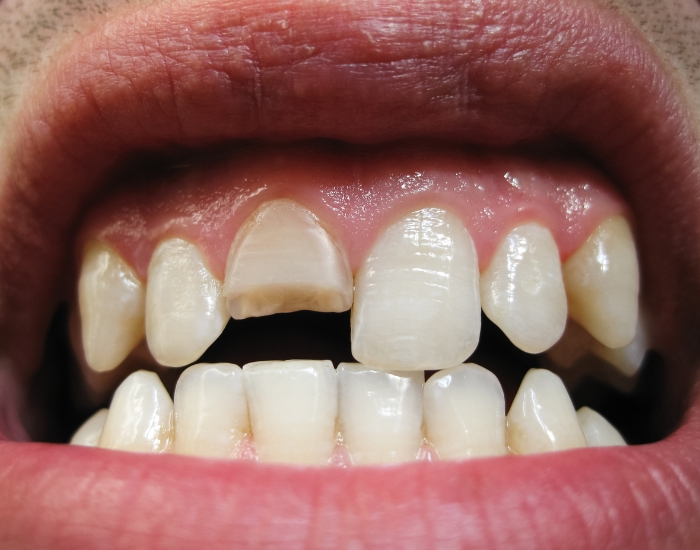
A cracked tooth has a fracture line running through its structure, usually starting at the chewing surface and moving toward the root, while the tooth stays in one piece. That is what makes it different from a broken tooth, where a piece actually comes off.
Cracks range from tiny hairline lines in the enamel to deep splits that reach the inner layers. Because the tooth stays intact, it can look completely normal at first glance while damage develops underneath. Over time, normal chewing pressure can make a crack longer and deeper until it exposes the sensitive dentin and pulp. That is why a cracked tooth needs a professional evaluation to find out how far the fracture goes and what treatment it needs.
- Craze lines: very shallow lines in the enamel that usually cause no pain.
- Fractured cusp: a piece of the chewing surface cracks, often around a large filling.
- Cracked tooth: a crack runs from the biting surface toward the root.
- Split tooth: a crack that has divided the tooth into separate parts.
- Vertical root fracture: a crack that starts in the root and may show few symptoms until infection develops.
What are the signs your tooth may be cracked?
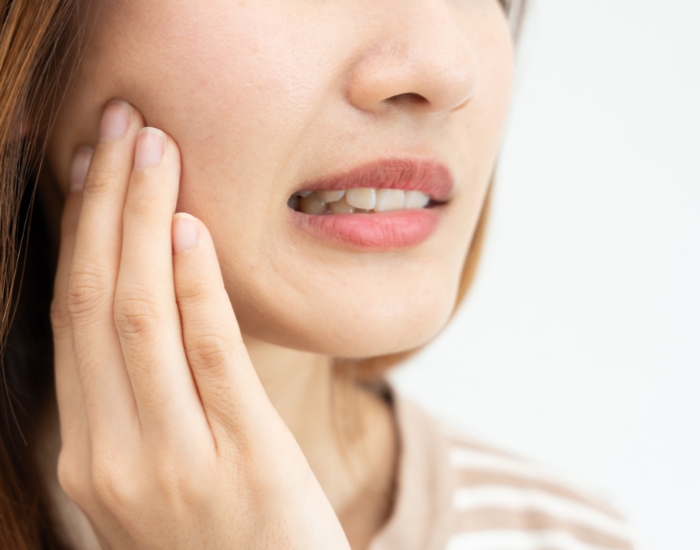
The most common signs of a cracked tooth are sharp pain when biting or releasing, and brief sensitivity to hot, cold or sweet foods. The pain often comes and goes rather than staying constant, so it is easy to put off.
Symptoms depend on how deep the crack is and where it sits. Many people notice the tooth feels weak or “not right” when they bite down. Others notice it only with certain foods or on one side of the mouth. In some cases the gum around the tooth becomes tender or slightly swollen as irritation increases.
- Sharp pain when chewing, especially when you release your bite
- Quick sensitivity to hot or cold drinks that fades fast
- Pain you cannot pin to a single tooth
- A tooth that feels weak or unstable when you bite
- Tenderness or swelling in the gum next to the tooth
- A rough edge you can feel with your tongue
Because these symptoms can be inconsistent, cracked teeth often go unnoticed until the crack worsens or becomes infected. If you notice tooth pain when chewing that keeps returning in the same spot, a crack is a common reason.
Why does biting make cracked tooth pain worse?
Biting pressure forces the two sides of the crack apart slightly, which irritates the dentin and nerve inside the tooth and sends a sharp pain signal. When you let go, the crack closes again and the pain may stop just as quickly.
This creates the “on-off” pain pattern that is so typical of cracked teeth. When the crack separates, it can expose the dentin and, in deeper cracks, the pulp where the nerve and blood vessels sit. Over time, if the crack deepens or bacteria get into it, the pain can become constant and lead to infection. At that stage the tooth may start to throb on its own, even when you are not eating, which is a sign the nerve is involved. See tooth nerve pain for more on that stage.
Pain when you bite down?
Call (713) 999-5328 or walk in. Walk-In Dental Clinic in Katy is open 7 days a week for same-day cracked tooth exams.
What causes cracks in teeth?
Teeth usually crack from too much force at once, such as biting something hard or an injury, or from repeated stress over time, such as grinding. Teeth that are already weakened by decay or large fillings crack more easily.
- Chewing ice, hard candy, popcorn kernels, nuts or bones
- Grinding or clenching your teeth, especially at night
- Large old fillings that leave thin tooth walls
- Teeth that have had a root canal without a protective crown
- Falls, car accidents and sports injuries
- Sudden temperature changes, such as hot coffee followed by ice water
- Natural wear as we age
If you grind your teeth, ask about a night guard. If you play contact sports, a mouthguard helps protect against both cracks and broken teeth.
How do dentists find a hidden tooth crack?
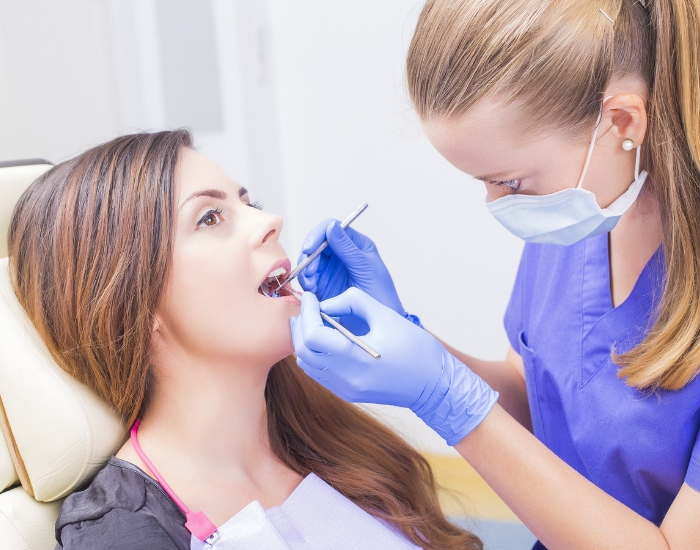
Dentists find hidden cracks by combining a close visual exam, a bite test, and X-rays or magnification to locate the fracture and judge its depth. Many cracks are not visible on X-rays alone, so several methods are often used together.
- Visual exam with bright light to look for lines, rough edges or weak areas
- A dental explorer to feel for edges that catch
- Bite tests that recreate the pain and pinpoint the cracked cusp
- Magnification for a detailed look at the tooth surface
- X-rays to check for deeper fractures, bone changes or infection
- Checking the gum around the tooth, since a deep crack may cause a narrow pocket
Early diagnosis matters because untreated cracks can lead to infection, more damage or tooth loss. Sometimes a crack is hard to confirm on the first visit, and the dentist may watch the symptoms over time or protect the tooth while it is monitored.
How are cracked teeth repaired?
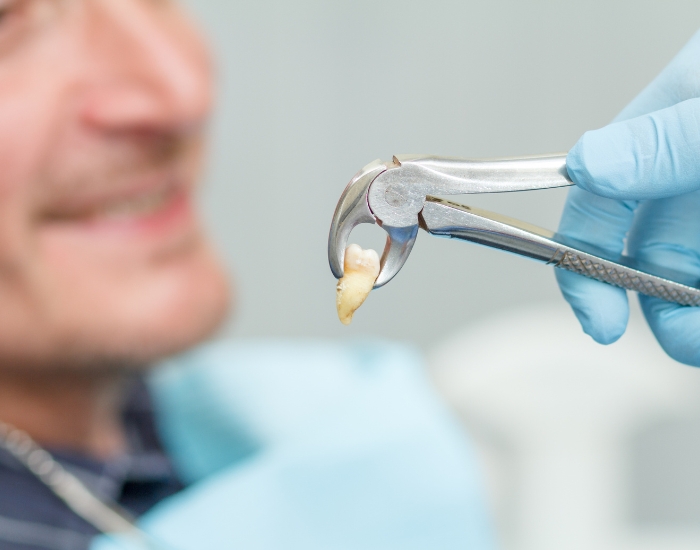
Cracked tooth treatment depends on how deep the crack is: small cracks may be bonded, larger ones usually need a crown, and cracks that reach the nerve may need a root canal first. The goal is to stabilize the tooth, restore strength and stop the crack from spreading.
Learn more about tooth-colored fillings, metal-free crowns and root canal treatment at our Katy office. When a tooth cannot be saved, dental implants or a bridge can replace it.
| Crack depth | Typical treatment |
|---|---|
| Shallow enamel lines | Often monitored; polishing or bonding if rough |
| Minor crack or fractured cusp | Tooth-colored bonding or filling |
| Crack weakening the tooth | Crown to hold the tooth together |
| Crack reaching the pulp | Root canal therapy, then a crown |
| Crack into the root or split tooth | Extraction, then replacement options |
What should you do if you think you have a cracked tooth?
Protect the tooth, avoid chewing on it and arrange a dental exam soon, ideally before the crack spreads. These steps can help in the meantime:
- 1. Chew on the other side and avoid hard, sticky or very hot and cold foods.
- 2. Rinse with warm water after eating to keep the area clean.
- 3. Use an over-the-counter pain reliever as directed on the label if needed.
- 4. Use a cold compress on the cheek if the area is sore or swollen.
- 5. Call the clinic to describe your symptoms and plan a same-day or walk-in visit.
What affects the cost of fixing a cracked tooth?
The cost depends on the treatment the crack needs, such as bonding, a crown, a root canal or an extraction, and on your insurance coverage. Walk-In Dental Clinic explains the price before treatment starts, with no hidden charges.
Other factors include which tooth is cracked, whether X-rays or extra visits are needed, and the restoration material. The clinic accepts most dental insurance on an indemnity basis plus cash, debit and major credit cards, and offers discounts and payment plans for patients without insurance. See payment and dental insurance for details.
Same-Day Care Near Katy, Cypress & Fulshear
Walk-In Dental Clinic is located at 20919 Kingsland Blvd, Katy, TX 77450, just off I-10 with easy access from the Grand Parkway. We are open 7 days a week, including evenings, Saturdays and Sundays, and see same-day patients from Katy, Cinco Ranch, Fulshear, Cypress, Richmond, Sugar Land and the rest of Greater Houston. Call ahead and we can assess your symptoms by phone and be ready when you arrive.
Same-day dental care, 7 days a week
Tell us what is happening and we will get you in as soon as possible.
Frequently Asked Questions
What does cracked tooth pain feel like?
Cracked tooth pain is usually sharp and comes and goes, especially when you bite down or release your bite. Many people also feel a quick jolt with hot or cold drinks. Between those moments the tooth may feel fine.
Can cracked tooth pain go away on its own?
The pain may fade for a while, but the crack itself will not heal and can get worse with chewing pressure. If the nerve becomes infected, the pain often returns stronger. A dental exam is the best way to protect the tooth.
Is a cracked tooth an emergency?
It can be, especially if the pain is severe, there is swelling, or the crack has reached the nerve. Even a mild crack should be checked soon. Swelling with trouble breathing or swallowing needs the ER or 911.
Can a cracked tooth be saved?
Many cracked teeth can be saved with bonding, a crown or root canal therapy, depending on how deep the crack is. Cracks that extend into the root or split the tooth usually cannot be saved, which is why early treatment matters.
How long does it take to diagnose a cracked tooth?
Many cracks are found in one visit with an exam, bite test and X-rays. Some are hard to see and may need follow-up or monitoring of symptoms over time before the dentist can confirm the crack.
Why does my tooth hurt when I let go of a bite?
Pain on release is a classic sign of a cracked tooth. Biting pushes the crack open slightly, and letting go lets it snap closed, which irritates the nerve. A dentist can confirm it with a bite test.
Can I walk in for a cracked tooth in Katy?
Yes. Walk-In Dental Clinic at 20919 Kingsland Blvd in Katy is open 7 days a week and accepts walk-in and same-day patients. Calling (713) 999-5328 first helps the team be ready for you.
Final Thoughts
Cracked tooth pain can be confusing because the symptoms come and go, but the crack underneath does not heal and often gets worse. Early diagnosis and treatment help prevent infection and protect the tooth, and many cracked teeth can be restored so they look and work well again. If you feel sharp pain when chewing or sensitivity in one spot, get it checked. Walk-In Dental Clinic in Katy, serving Cypress, Fulshear and Greater Houston, offers thorough exams 7 days a week, explains your options and the cost before treatment, and helps you keep your tooth whenever possible. Call (713) 999-5328 or walk in.
Further reading
- American Dental Association patient resource: MouthHealthy.org
- U.S. National Library of Medicine: MedlinePlus, Tooth Disorders
Medical disclaimer: This content is for informational purposes only and does not constitute medical or dental advice. Always consult a licensed dental professional about your own symptoms. In a medical emergency, call 911.