
Severe tooth pain is usually a sign that the nerve inside a tooth, the root, or the gum around it is inflamed, infected or damaged, and it rarely settles on its own. If the pain is intense, keeps you awake or comes with swelling, a same-day visit to an emergency dentist is the safest next step. Walk-In Dental Clinic at 20919 Kingsland Blvd in Katy is open 7 days a week and sees walk-in and same-day patients from Katy, Cypress, Fulshear and Greater Houston.
Severe tooth pain is more than discomfort. It can interrupt your sleep, change how you eat and signal a serious dental problem. Mild sensitivity may come and go, but strong, lasting pain usually means something deeper is wrong. Knowing the common causes and when to seek emergency dental care helps you act quickly, and in many cases early treatment prevents complications and saves the tooth.
- Deep decay reaching the nerve, abscesses, cracks, broken fillings and gum disease are the most common causes of severe tooth pain.
- Sudden sharp pain often means a crack, a lost filling or a fast-moving infection.
- Pain that is worse at night or throbs with your heartbeat often points to inflammation or infection.
- Swelling, fever, pus or a bad taste mean you should be seen the same day; swelling with trouble breathing or swallowing needs the ER or 911.
- Treatment ranges from a filling or crown to root canal therapy or extraction, and the cost is explained before anything is done.
What triggers severe tooth pain?
Severe tooth pain usually starts when the inner part of the tooth, called the pulp, becomes inflamed or infected. The pulp holds the nerve and blood vessels, so when bacteria or pressure reach it, the pain can be sharp, deep and hard to ignore.
The most common cause is deep decay. A cavity that is left alone keeps spreading through the enamel and dentin until it reaches the pulp. At that point the tooth can react strongly to hot, cold and sweet foods, and the pain may linger long after the trigger is gone. Our guide to tooth decay pain explains how this progresses stage by stage.
Other frequent triggers include:
- Dental abscess: a pocket of infection near the root tip or in the gum that causes throbbing pain and swelling.
- Advanced gum disease: receding, inflamed gums can expose the root surface and irritate the tissues that hold the tooth.
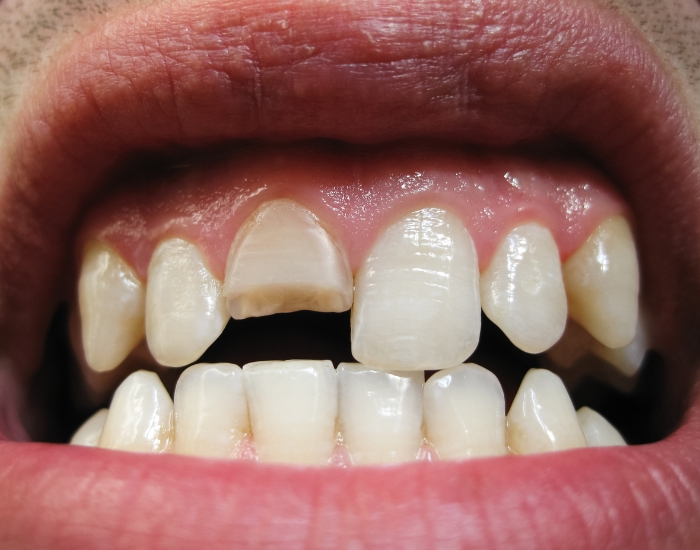
- Cracks and fractures: a crack from biting something hard or from an injury can let bacteria and temperature changes reach the nerve.
- Damaged or lost fillings and crowns: an old restoration that breaks or falls out leaves the inner tooth unprotected.
- Weakened teeth: teeth with very large fillings or thin walls are more likely to become sensitive or infected.
Because several of these problems feel similar, the only reliable way to know the cause is an exam and, usually, an X-ray.
What does sudden severe tooth pain mean?
Sudden severe tooth pain usually signals a fast change inside the tooth, such as a new crack, a broken filling or an infection that is spreading quickly. It often feels sharp or stabbing and can appear without warning.
When a crack forms or decay finally reaches the nerve, the tooth becomes very sensitive to pressure and temperature. Sudden pain often means the nerve is irritated or damaged, and that can quickly lead to infection if it is not treated. If the pain started right after you bit down on something hard, or after a fall or sports injury, that is a strong sign the tooth needs attention right away. Read more about cracked tooth pain and broken tooth pain if that matches what happened.
Pain that suddenly disappears after days of aching is not always good news. Sometimes it means the nerve has died, while the infection around the root keeps growing. A dentist should still check the tooth.
Why does severe tooth pain often get worse at night?
Tooth pain often feels stronger at night because lying flat increases blood flow to the head, which adds pressure inside an already inflamed tooth. With fewer distractions, your brain also pays more attention to pain signals.
During the day, work, driving and conversation keep your mind busy. At night your body is calmer and more aware of discomfort, and many people find that throbbing pain wakes them up. Severe tooth pain at night often points to infection or inflammation, such as an abscess or decay that has reached the nerve. Because night pain may mean the problem is getting worse, it should not be ignored.
Until you can be seen, sleeping with your head raised on an extra pillow, avoiding very hot or cold drinks before bed and using an over-the-counter pain reliever as directed on the label can help. Our article on tooth pain at night has more practical tips.
In severe tooth pain right now?
Call (713) 999-5328 for quick phone triage. Walk-In Dental Clinic in Katy is open 7 days a week with same-day and walk-in visits.
When is severe tooth pain an emergency?
Severe tooth pain is a dental emergency when it is intense, does not let up, or comes with swelling, fever or a bad taste in your mouth. These signs usually mean the tooth or the tissue around it is infected or damaged and needs same-day care.
Pain after trauma, such as a fall, car accident or a hit during sports, also needs prompt attention to prevent further injury. Severe pain with swelling may mean an abscess, which can spread infection into the jaw and nearby tissues if it is left untreated.
Seek emergency dental care if you notice any of the following:
- Severe, throbbing pain that will not stop
- Swelling in the face, jaw or gums
- Fever or feeling generally unwell
- Pus, a pimple-like bump on the gum, or a bad taste in your mouth
- Pain after a dental injury or a broken tooth
- Pain that keeps you from eating or sleeping
Emergency dental treatment can relieve pain quickly, stop infection from spreading and improve the chances of saving the tooth. See our severe tooth pain emergency dentist page for how same-day visits work.
How can you ease severe tooth pain before you see a dentist?
You can ease severe tooth pain for a short time with an over-the-counter pain reliever taken as directed, warm salt water rinses and a cold compress on the cheek, but these steps do not treat the cause. They only buy time until a dentist can examine the tooth.
- 1. Rinse gently with warm salt water to clean the area and calm irritated gums.
- 2. Hold a cold compress on the outside of your cheek for short periods to reduce swelling.
- 3. Take an over-the-counter pain reliever exactly as the label directs, if it is safe for you.
- 4. Chew on the other side and avoid very hot, cold, sweet or hard foods.
- 5. Do not place aspirin directly on the gum, and do not try to drain a swelling yourself.
- 6. Call the clinic so the team can triage your symptoms and tell you how soon to come in.
How do dentists treat severe tooth pain?
Treatment for severe tooth pain depends on the cause and how much of the tooth can be saved, but the first goal is always to control pain and infection. After an exam and X-ray, the dentist explains what is going on and the options available.
If an infection has started to spread or there is swelling, the dentist may prescribe antibiotics as part of the plan. When the pulp is infected, root canal treatment is often the best way to save the tooth: the infected tissue is removed, the canals are cleaned and the tooth is sealed to prevent reinfection. A crown is often placed afterward to protect it.
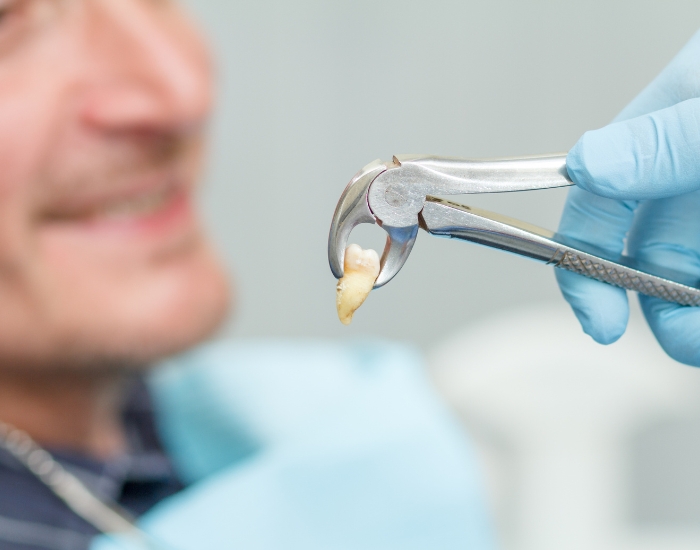
When a tooth is too damaged to save, tooth extraction may be recommended. Afterward, options such as dental implants or a bridge can restore function and appearance. Teeth that only need reinforcement may be treated with a filling or crown.
| Likely cause | Common treatment |
|---|---|
| Deep cavity, nerve still healthy | Tooth-colored filling |
| Infected or dying nerve | Root canal therapy, usually followed by a crown |
| Abscess with swelling | Drainage and treatment of the source, antibiotics when needed |
| Crack or break | Bonding, crown, root canal or extraction depending on depth |
| Tooth that cannot be saved | Extraction, then implant, bridge or other replacement |
What affects the cost of treating severe tooth pain?
The cost depends on what the exam finds, which tooth is involved and which treatment you choose, and Walk-In Dental Clinic explains the price before any treatment begins. There are no hidden charges.
The main cost factors are the type of procedure (filling, root canal, crown or extraction), whether X-rays or a follow-up visit are needed, whether the tooth is a front tooth or a molar with more roots, and your insurance coverage. The clinic accepts most dental insurance on an indemnity basis, plus cash, debit, Visa, Mastercard, American Express and Discover. Patients without insurance can ask about discounts and payment plans. Details are on the payment and dental insurance page.
Can severe tooth pain be prevented?
Most severe tooth pain can be prevented by treating small problems early, before decay or cracks reach the nerve. Mild sensitivity, a rough edge or a filling that feels loose are all reasons to get checked.
- Brush twice a day with fluoride toothpaste and clean between your teeth daily.
- Limit sugary snacks and drinks between meals.
- Avoid chewing ice, hard candy and popcorn kernels.
- Wear a mouthguard for contact sports and ask about a night guard if you grind your teeth.
- Have loose or broken fillings and crowns repaired promptly.
Same-Day Care Near Katy, Cypress & Fulshear
Walk-In Dental Clinic is located at 20919 Kingsland Blvd, Katy, TX 77450, just off I-10 with easy access from the Grand Parkway. We are open 7 days a week, including evenings, Saturdays and Sundays, and see same-day patients from Katy, Cinco Ranch, Fulshear, Cypress, Richmond, Sugar Land and the rest of Greater Houston. Call ahead and we can assess your symptoms by phone and be ready when you arrive.
Same-day dental care, 7 days a week
Tell us what is happening and we will get you in as soon as possible.
Frequently Asked Questions
What causes sudden severe tooth pain at night?
Sudden severe tooth pain at night usually points to infection or inflammation, such as an abscess or deep decay that has reached the nerve. Lying down increases pressure in the tooth, which makes throbbing worse. It is a good idea to call a dentist the next morning, or sooner if swelling develops.
How can I relieve severe tooth pain before seeing a dentist?
An over-the-counter pain reliever taken as directed, warm salt water rinses and a cold compress can help for a short time. Avoid very hot or cold foods and chew on the other side. These steps do not fix the problem, so professional care is still needed.
When should I see an emergency dentist for severe tooth pain?
See an emergency dentist if the pain is intense, lasts more than a day or two, or comes with swelling, fever, pus or a bad taste. Pain after an injury also needs prompt care. If swelling affects your breathing or swallowing, go to the ER or call 911.
Can a cracked tooth cause severe tooth pain?
Yes. A cracked tooth can cause sharp pain, especially when you bite down or drink something cold, and the pain often gets worse if the crack reaches the nerve. Cracks do not heal on their own, so the tooth should be examined.
What is the most common treatment for severe tooth pain?
When the pain comes from an infected or damaged nerve, root canal therapy is one of the most common treatments because it removes the source of pain and saves the tooth. Other options include fillings, crowns or extraction, depending on what the exam shows.
Can I walk in for severe tooth pain in Katy without an appointment?
Yes. Walk-In Dental Clinic at 20919 Kingsland Blvd in Katy accepts walk-in and same-day patients 7 days a week. Calling (713) 999-5328 first lets the team triage your symptoms and be ready for you.
Will severe tooth pain go away on its own?
Severe tooth pain may fade for a while, but the cause usually remains. Sometimes the pain stops because the nerve has died while an infection keeps spreading at the root. A dental exam is the only way to know.
How much does it cost to treat severe tooth pain?
The cost depends on the cause and the treatment needed, such as a filling, root canal or extraction, and on your insurance. Walk-In Dental Clinic explains the price before treatment begins, with no hidden charges, and offers discounts and payment plans for patients without insurance.
Final Thoughts
Severe tooth pain is a clear sign that something is wrong beneath the surface, and it should never be ignored. Decay, infection, cracks and gum disease can get worse quickly and lead to abscesses, tooth loss or spreading infection. The good news is that most causes can be treated well when they are found early, and prompt care relieves pain faster and gives you the best chance of keeping your tooth. If you are dealing with severe tooth pain in Katy, Cypress, Fulshear or anywhere in Greater Houston, call Walk-In Dental Clinic at (713) 999-5328 or simply walk in. The team will find the cause, explain your options and the cost, and help you get back to comfort.
Further reading
- American Dental Association patient resource: MouthHealthy.org
- U.S. National Library of Medicine: MedlinePlus, Tooth Disorders
Medical disclaimer: This content is for informational purposes only and does not constitute medical or dental advice. Always consult a licensed dental professional about your own symptoms. In a medical emergency, call 911.