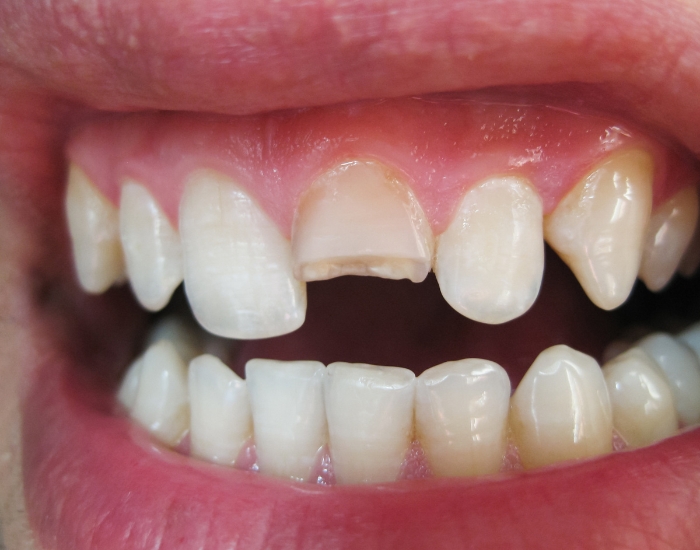

Will toothaches go away on their own? Mild sensitivity or irritation from trapped food can settle in a few hours or days, but toothaches caused by cavities, cracks, gum infection or an abscess almost never heal without treatment, and the pain can return worse. If a toothache lasts more than a day or two, keeps coming back or comes with swelling, Walk-In Dental Clinic in Katy can see you the same day, 7 days a week.
Tooth pain is one of the most common and frustrating health complaints. It can be a dull, nagging ache or a sudden, sharp, throbbing pain, and many people hope it will simply disappear. That is why so many patients ask: will toothaches go away if I wait?
Most toothaches are a signal that something underneath needs attention. Ignoring the pain can lead to worsening symptoms, infection and even tooth loss. This guide explains why toothaches happen, which ones may resolve on their own, what you can safely do at home for temporary relief and when it is time to see a dentist.
- A toothache is a symptom, not a disease; the cause decides whether it can resolve.
- Mild sensitivity or food irritation may fade, but cavities, cracks and infections do not heal on their own.
- Pain that stops suddenly can mean the nerve has died, while infection continues.
- Salt-water rinses, cold compresses and over-the-counter pain relief help only temporarily.
- Swelling with trouble breathing or swallowing, or spreading toward the eye or neck, needs the ER or 911.
What causes a toothache?
A toothache is a symptom of an underlying problem, most often decay, gum disease, a crack, an infection, sinus pressure, grinding or temporary sensitivity. Knowing the cause is the key to knowing whether it can settle. The most common causes are:
- Dental decay: bacteria break down enamel and expose the inner layers, causing sensitivity and pain; see tooth decay pain.
- Gum disease: inflamed or infected gums create pressure around the root and cause persistent aching.
- Tooth fractures or cracks: even small cracks can expose the nerve and cause on-and-off or severe pain, especially when chewing.
- Infections or abscesses: bacteria invade the pulp and form pus, often with swelling, fever or pain spreading to the jaw or ear.
- Sinus pressure: upper back teeth sit close to the sinuses, so a sinus infection can feel like tooth pain.
- Teeth grinding or jaw clenching: bruxism strains the teeth and jaw muscles and causes lingering soreness.
- Temporary sensitivity: hot, cold or sugary foods can cause brief pain from exposed dentin or minor enamel wear.
Will toothaches go away on their own?
Some will and most will not: mild sensitivity or temporary irritation can fade in hours or days, but pain from cavities, infection or trauma rarely resolves without treatment. It depends entirely on the cause and how severe it is.
- Mild sensitivity or irritation: minor enamel wear, a popcorn hull stuck under the gum or short-lived inflammation may clear up once the area is cleaned.
- Cavities, infections or trauma: these usually keep progressing. The pain may come and go, but the problem underneath grows.
One trap to know about: a toothache that suddenly stops after days of throbbing is not always good news. If an infection has killed the nerve, the pain can disappear while the infection keeps spreading at the root tip, sometimes returning later as swelling or an abscess. Our article on throbbing tooth pain explains this pattern in more detail.
Why is it risky to ignore a toothache?
Even when the pain eases, the underlying problem usually remains, and waiting can turn a simple filling into a root canal, an extraction or a spreading infection. Untreated toothaches can lead to:
- Tooth abscesses
- Spread of infection to the jawbone or neighboring teeth
- Tooth loss
- Serious body-wide infection, which is rare but possible
Relying only on pain relievers, or hoping the ache disappears, delays care and raises the risk of permanent damage. Early treatment is almost always simpler, faster and more affordable than treatment after a problem has progressed.
- Swelling with trouble breathing or swallowing
- Swelling spreading toward your eye or down your neck
- A high fever with facial swelling or feeling very unwell
Toothache not going away?
Walk-In Dental Clinic in Katy sees same-day patients 7 days a week. We find the cause, explain your options and the cost, and start treatment the same visit when possible.
How can you tell if a toothache might resolve naturally?
A toothache may be self-limiting if it is mild, comes and goes, has no swelling or fever, involves no visible damage and improves after you clean the area. Temporary toothaches are often caused by:
- Minor enamel sensitivity
- Temporary irritation from food or debris
- Mild gum inflammation
Signs that a toothache might settle on its own include pain that is mild and intermittent, no swelling, redness or fever, no visible chip or hole in the tooth, and pain that disappears after brushing, flossing or rinsing. Even then, keep an eye on the tooth. If the ache returns or lasts more than a day or two, a dental checkup is the safest way to rule out hidden problems.
What home remedies help with toothache relief?
Warm salt-water rinses, a cold compress, over-the-counter pain relief, avoiding trigger foods and gentle cleaning can ease a toothache temporarily, but they do not treat the cause. Safe steps include:
- Salt-water rinse: dissolve about a teaspoon of salt in a glass of warm water and rinse gently to soothe the gum and reduce bacteria.
- Cold compress: hold a cold pack wrapped in a cloth against the outside of your cheek for 10 to 15 minutes at a time to ease swelling and numb pain.
- Over-the-counter pain medication: ibuprofen or acetaminophen, taken exactly as the label directs and only if safe for you, can reduce pain for a while.
- Avoid trigger foods: skip very hot, cold or sugary foods that make the sensitivity worse.
- Keep it clean: brush and floss gently around the tooth to remove trapped food and prevent further irritation.
Do not put aspirin or crushed tablets directly on the gum, since they can burn the tissue. Sleeping with your head raised can make nighttime throbbing a little easier; our guide to severe tooth pain at night has more tips. Home remedies may help for hours or a day, but persistent pain needs professional care.
When is a toothache a sign of a serious problem?
Severe or throbbing pain, swelling, fever, pain spreading to the ear or neck, lingering sensitivity and visible pus are signs of a problem that will not go away without treatment. Watch for:
- Severe or throbbing pain
- Swelling in the gums, face or jaw
- Fever or a general unwell feeling
- Pain spreading to the ear, temple or neck
- Sensitivity to hot or cold that lingers
- Visible pus, a pimple on the gum or a bad taste
In these cases, waiting can let the infection worsen and cause permanent damage. Call a dentist the same day. Our severe tooth pain emergency dentist page explains how we handle urgent pain.
What professional treatments get rid of a toothache?
A dentist treats the cause, using fillings for cavities, root canal therapy for infected nerves, extraction for teeth that cannot be saved, gum treatment and bite adjustments. The main options are:
- Dental fillings: tooth-colored fillings repair cavities and relieve pain.
- Root canal therapy: when infection reaches the pulp, root canal treatment removes the infected tissue and keeps the tooth.
- Tooth extraction: severely damaged or infected teeth may need to be removed to prevent further problems.
- Gum disease treatment: scaling, root planing and other gum care relieve pain from gum infection.
- Bite correction: if pressure or misalignment is causing the ache, adjusting the bite or a night guard can help.
Prompt dental care often eliminates a toothache completely and prevents it from coming back. We explain the cause, your options and the cost before any treatment begins, and many patients are treated at their first visit. Learn more on our toothache treatment page.
Can toothaches come back after treatment?
Yes, toothaches can return if new cavities form, gum disease progresses, bite problems persist or daily oral care slips. Even after a tooth is treated, the teeth around it face the same risks. Brushing twice a day with fluoride toothpaste, flossing daily, limiting sugary and acidic foods, wearing a night guard if you grind and keeping regular dental cleanings all lower the chance of another toothache. Seeking prompt care for even minor sensitivity is one of the best ways to avoid bigger problems later.
Timing matters most. Early intervention prevents complications, preserves natural teeth, reduces overall discomfort and helps you avoid more involved treatment down the road.
Same-Day Care Near Katy, Cypress & Fulshear
Walk-In Dental Clinic is located at 20919 Kingsland Blvd, Katy, TX 77450, just off I-10 with easy access from the Grand Parkway. We are open 7 days a week, including evenings, Saturdays and Sundays, and see same-day patients from Katy, Cinco Ranch, Fulshear, Cypress, Richmond, Sugar Land and the rest of Greater Houston. Call ahead and we can assess your symptoms by phone and be ready when you arrive.
Same-day dental care, 7 days a week
Tell us what is happening and we will get you in as soon as possible.
Frequently Asked Questions
Will toothaches go away on their own?
Mild sensitivity or irritation from trapped food may go away in a few hours or days. Toothaches from cavities, cracks, gum infection or an abscess usually do not, and they tend to get worse without treatment.
How long is too long to wait with a toothache?
If a toothache lasts more than a day or two, keeps returning or is getting worse, see a dentist. Swelling, fever or pain that keeps you awake should be seen the same day.
My toothache stopped suddenly. Does that mean it healed?
Not necessarily. Pain can stop when an infected nerve dies, while the infection continues at the root. Have the tooth checked even if the pain has gone.
What is the best thing to do for a toothache at night?
Rinse with warm salt water, use a cold compress on your cheek, take an over-the-counter pain reliever as directed if it is safe for you, and sleep with your head raised. Call a dentist in the morning, or seek emergency care if swelling affects breathing or swallowing.
Can a toothache be caused by a sinus infection?
Yes. Upper back teeth sit near the sinuses, so sinus pressure can feel like a toothache, often in several teeth at once. If the pain is in one tooth or reacts to hot and cold, a dental cause is more likely.
Do antibiotics cure a toothache?
Antibiotics may help control an infection that is spreading, but they do not fix a cavity, crack or infected nerve. The tooth still needs treatment to stop the pain from coming back.
Can I walk in for toothache treatment near Katy, Cypress or Fulshear?
Yes. Walk-In Dental Clinic at 20919 Kingsland Blvd in Katy offers same-day and walk-in visits 7 days a week, including evenings and weekends. Call (713) 999-5328 before you head over so we can be ready.
Final Thoughts
Toothaches do not always go away on their own. Mild sensitivity may settle, but persistent or severe pain usually means a dental problem that will keep progressing. Home care can make you more comfortable for a short time, while a professional exam treats the actual cause. When in doubt, it is always safer to see a dentist. If you are in Katy, Cypress, Fulshear or anywhere in Greater Houston, call Walk-In Dental Clinic at (713) 999-5328 or book online.
Further reading
- American Dental Association patient resource: MouthHealthy.org
- U.S. National Library of Medicine: MedlinePlus, Tooth Disorders
Medical disclaimer: This content is for informational purposes only and does not constitute medical or dental advice. Always consult a licensed dental professional about your own symptoms. In a medical emergency, call 911.