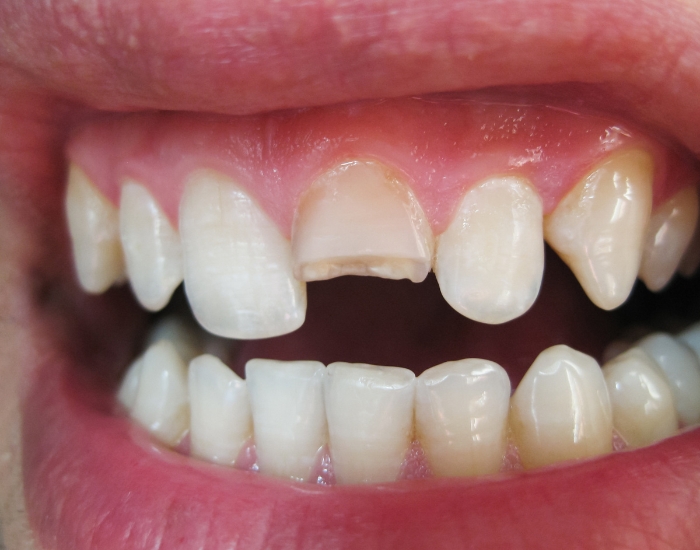
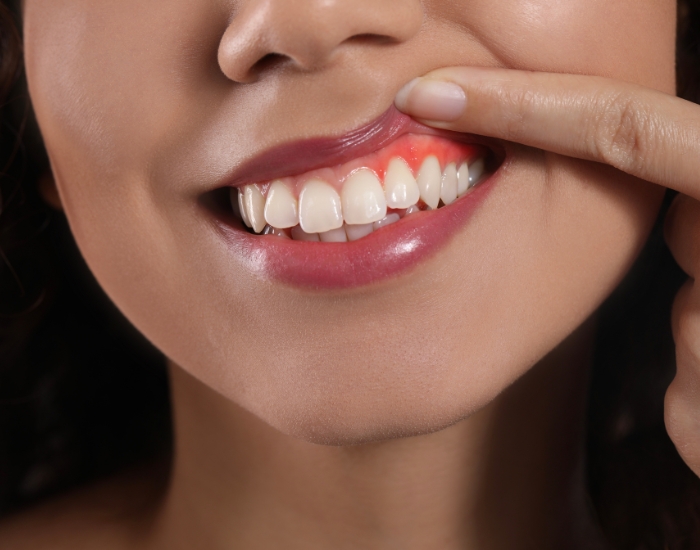
Swollen gum pain is most often caused by gum inflammation from plaque buildup (gingivitis or periodontitis), food trapped between teeth, hormonal changes, certain medications or an infection such as a gum or tooth abscess. Mild, general swelling often improves with better brushing, flossing and salt-water rinses, but swelling around one tooth, swelling with pus or fever, or swelling that lasts more than three or four days should be checked by a dentist.
Swollen gums can be uncomfortable, painful and sometimes alarming. Many cases are mild and temporary, but swelling can also be the first sign of a problem that needs professional care, and catching it early makes treatment simpler. This guide explains the common causes of swollen gum pain, how to recognize the symptoms of gum inflammation, what you can safely do at home, how dentists treat it and when swollen gums become serious. Walk-In Dental Clinic in Katy treats swollen and painful gums for patients from Katy, Cypress, Fulshear and Greater Houston, with same-day visits 7 days a week.
- Plaque-related gum disease is the most common cause of swollen, tender, bleeding gums.
- Swelling around a single tooth often points to a local infection, trapped food, decay or an abscess.
- Mild swelling may improve with gentle brushing, flossing and warm salt-water rinses within a few days.
- Swelling that lasts more than three or four days, or comes with pus, fever or face swelling, needs a dentist.
- Swelling with trouble breathing or swallowing, or spreading to the eye or neck, needs the ER or 911.
What is swollen gum pain?
Swollen gum pain happens when the gum tissue around the teeth becomes inflamed. The gums puff up, turn red, feel tender or sore and often bleed when you brush or floss. The pain can range from mild tenderness to a sharp or throbbing ache, depending on the cause.
Inflammation is the body’s response to irritation, usually from bacteria in plaque. Swelling can also come from trapped food, an injury, hormonal changes, medications or underlying health conditions. Healthy gums are firm, pale pink and fit snugly around each tooth; gums that look shiny, puffy or dark red are telling you something needs attention. If you have swelling together with tooth pain, our article on swollen gums and tooth pain covers that combination.
What causes swollen gum pain?
The most common causes of swollen gum pain are gum disease, poor oral hygiene, food trapped between teeth, hormonal changes, a tooth or gum infection and certain medications. Often, more than one factor is involved.
- Gum disease: gingivitis, the earliest stage, causes redness, swelling and bleeding; untreated, it can progress to periodontitis, which damages the bone that supports the teeth.
- Poor oral hygiene: plaque left on the teeth irritates the gums and leads to swelling.
- Food trapped between teeth: particles stuck at the gum line cause irritation and can lead to infection.
- Hormonal changes: pregnancy, puberty and menstruation increase blood flow to the gums and make them more sensitive.
- Tooth infection or abscess: infection at a tooth root or in the gum can cause severe swelling and intense pain that needs urgent care.
- Medications: some anti-seizure and blood pressure medicines can cause gum overgrowth and swelling.
- Brushing too hard or a new appliance: rough brushing, a new denture or braces can irritate the gums.
What are the symptoms of gum inflammation?
The most common symptoms of gum inflammation are red, swollen gums that feel tender or painful, bleeding when you brush or floss and bad breath or a bad taste. In more advanced cases, gums may recede and teeth may feel loose.
- Red, puffy or shiny gums
- Tenderness or pain, especially when brushing or flossing
- Bleeding during brushing or flossing
- Bad breath or a persistent bad taste
- Gums pulling back from the teeth
- Teeth that feel loose or shift
- Pus around the gum line when infection is present
Bleeding is one of the earliest signs that gums are irritated, and it is not normal even if it happens often. Addressing these signs early prevents more serious damage to the gums and bone.
Why is my gum swollen around one tooth?
Swollen gum around one tooth is usually caused by a local problem such as decay near the gum line, a deep gum pocket, trapped food, a cracked tooth or an infected root or abscess. Because a specific cause is likely, this kind of swelling should be checked by a dentist rather than treated only at home.
Decay near the gum line irritates the gum next to it. Gum disease can create a deep pocket beside one tooth where plaque and bacteria collect below the gum. A popcorn hull or seed stuck under the gum can start swelling within a day. A cracked tooth gives bacteria an entry point. And an infected tooth root or gum abscess can cause intense, localized swelling and throbbing pain, sometimes with a pimple-like bump that drains. Partially erupted wisdom teeth are another common cause of swelling at the very back of the mouth; see wisdom tooth infection symptoms.
Swollen, painful gums?
Walk-In Dental Clinic in Katy can find the cause and treat it, often the same day. Open 7 days a week, including weekends.
How can I treat mild swollen gums at home?
For mild, general gum swelling, you can rinse with warm salt water, brush gently twice a day with a soft brush, floss carefully, use a cold compress for discomfort and avoid spicy or acidic foods. If swelling does not improve within a few days, see a dentist.
- 1. Rinse with warm salt water, about 1 teaspoon of salt in a glass of warm water, two or three times a day.
- 2. Brush gently along the gum line with a soft-bristled brush and fluoride toothpaste.
- 3. Floss carefully every day to remove trapped food and plaque between teeth.
- 4. Use a cold compress on the cheek to ease soreness.
- 5. Take an over-the-counter pain reliever as directed if needed.
- 6. Avoid spicy, acidic and very crunchy foods while the gums heal.
Home care helps mild inflammation from plaque or irritation. It does not cure an abscess or advanced gum disease, which need professional treatment.
How do dentists treat swollen gums?
Dentists treat swollen gums according to the cause, using professional cleaning, deep cleaning (scaling and root planing), antibiotics for infection, drainage of an abscess, treatment of cavities or root canals and, in advanced cases, gum surgery.
A professional cleaning removes the hardened tartar that brushing cannot. When gum disease has created deep pockets, scaling and root planing cleans below the gum line and smooths the root so the gums can heal. Gum infections often cause throbbing pain and swelling; if the infection is deep, your dentist may drain it, remove infected tissue and prescribe antibiotics. If the swelling comes from an infected tooth, root canal treatment or an extraction removes the source. Our gum infection treatment article explains these options, and we always discuss costs before treatment.
When is swollen gum pain serious?
Swollen gum pain is serious when it is severe or keeps getting worse, lasts more than three or four days, is limited to one tooth or comes with fever, facial swelling, pus or a bad taste. These signs often mean an infection that needs professional care.
For swollen gums with pus, a bump or face swelling without those red flags, call our Katy office. Our care for swollen gums and jaw and abscess and swollen jaw treatment are available same day whenever possible.
Can hormones or pregnancy cause swollen gums?
Yes. Hormonal changes during pregnancy, puberty and menstruation increase blood flow to the gums and make them react more strongly to plaque, so they swell and bleed more easily. This is often called pregnancy gingivitis when it happens during pregnancy.
Careful brushing, daily flossing and regular cleanings help keep hormone-related swelling under control. Dental cleanings and most routine care are safe during pregnancy; let your dentist and physician know you are pregnant so care can be planned around you. Swelling that is severe, painful or focused around one tooth should still be checked, because it may not be hormone related.
How can I prevent swollen gums?
You can prevent most swollen gums by removing plaque every day, keeping regular dental visits and avoiding tobacco. Healthy habits keep the gums firm and the bone underneath strong.
- Brush twice daily with fluoride toothpaste and a soft brush.
- Floss at least once a day.
- Use an antiseptic mouthwash if your dentist recommends one.
- Visit your dentist for cleanings and checkups about every six months.
- Avoid smoking and tobacco products.
- Eat a balanced diet with limited sugar and stay hydrated.
- Manage stress, which can affect gum health and grinding.
Same-Day Care Near Katy, Cypress & Fulshear
Walk-In Dental Clinic is located at 20919 Kingsland Blvd, Katy, TX 77450, just off I-10 with easy access from the Grand Parkway. We are open 7 days a week, including evenings, Saturdays and Sundays, and see same-day patients from Katy, Cinco Ranch, Fulshear, Cypress, Richmond, Sugar Land and the rest of Greater Houston. Call ahead and we can assess your symptoms by phone and be ready when you arrive.
Same-day dental care, 7 days a week
Tell us what is happening and we will get you in as soon as possible.
Frequently Asked Questions
What causes swollen gum pain after brushing?
Swollen, sore gums after brushing are often caused by brushing too hard, using a hard-bristled brush or existing inflammation from plaque buildup. Switch to a soft brush and gentle circles at the gum line. If bleeding and swelling continue, have your gums checked.
How long does swollen gum pain last with treatment?
Mild swelling from plaque often improves within a few days of better brushing, flossing and salt-water rinses. Swelling that lasts longer than three or four days, or a week at most, should be seen by a dentist.
Can swollen gums around a tooth be a sign of infection?
Yes. Swelling around one tooth can mean an infection or abscess in the gum or at the root, especially with throbbing pain, a bump or pus. It should be evaluated by a dentist promptly.
What is the best home remedy for gum inflammation?
Warm salt-water rinses, gentle brushing with a soft brush, daily flossing and an antiseptic mouthwash can reduce mild gum inflammation. These help most when plaque is the cause. They do not cure an abscess.
When should I worry about gum infection pain?
Seek dental care if gum pain is severe, causes fever or facial swelling, comes with pus or does not improve within a few days. Go to the ER or call 911 if swelling affects breathing or swallowing or spreads toward the eye or neck.
Can swollen gums go away on their own?
Mild swelling from irritation or plaque can settle with good home care. Swelling from gum disease, an abscess or an infected tooth usually needs professional treatment to resolve.
Are bleeding gums normal?
No. Bleeding is one of the earliest signs of gum inflammation, even if it happens often. Regular cleanings and better home care usually stop it, and ongoing bleeding should be checked.
Where can I get swollen gums treated near Katy, Cypress or Fulshear?
Walk-In Dental Clinic at 20919 Kingsland Blvd in Katy offers same-day and walk-in visits 7 days a week. Call (713) 999-5328 so we can triage your symptoms before you arrive.
Final Thoughts
Swollen gum pain is common and often easy to treat when it is caught early. Mild cases may improve with better home care, but persistent, severe or one-sided swelling should be evaluated to prevent infection and damage to the gums and bone. If your gums are swollen or painful, call Walk-In Dental Clinic at (713) 999-5328 or walk in to our Katy office, open 7 days a week.
Further reading
- American Dental Association patient resource: MouthHealthy.org
- U.S. National Library of Medicine: MedlinePlus, Tooth Disorders
Medical disclaimer: This content is for informational purposes only and does not constitute medical or dental advice. Always consult a licensed dental professional about your own symptoms. In a medical emergency, call 911.