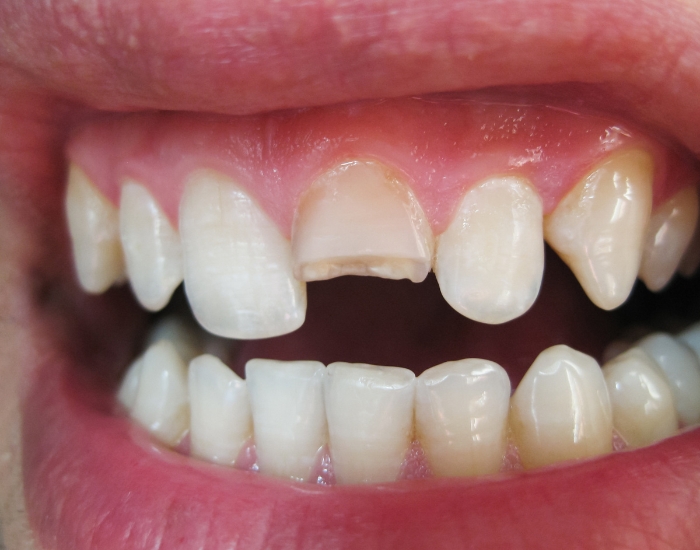
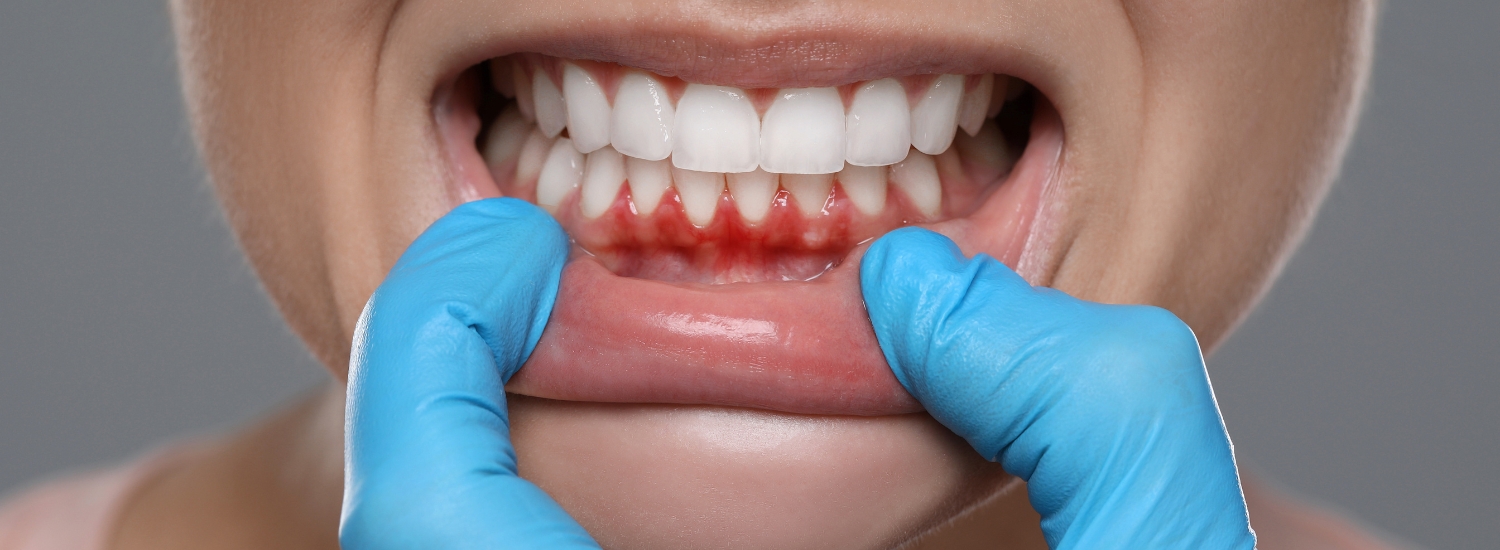
Gum infection treatment usually starts with a professional deep cleaning to remove plaque and tartar above and below the gumline, sometimes with antibiotics, and more advanced infections may need further periodontal care. Walk-In Dental Clinic at 20919 Kingsland Blvd in Katy offers same-day and walk-in visits 7 days a week for gum infections, swollen gums and gum abscesses for patients from Katy, Cypress, Fulshear and Greater Houston.
Gum infections, also called periodontal infections, can develop quietly and then quickly lead to serious problems. They happen when harmful bacteria build up and inflame the gums, causing redness, swelling, bleeding and sometimes pain. Prompt treatment matters because the infection can spread to the deeper tissues and bone that hold your teeth in place, which can lead to tooth loss and may affect your overall health. Whether you have mild irritation or severe swelling, early care makes a real difference in restoring your comfort and oral health.
- Most gum infections start with plaque and tartar buildup along and under the gumline.
- Bleeding, swelling, bad breath, receding gums and loose teeth are common warning signs.
- Treatment ranges from a deep cleaning to antibiotics and, for advanced cases, specialist periodontal care.
- Good daily brushing and flossing support healing and help prevent a return.
- Gum swelling with fever, or trouble breathing or swallowing, needs urgent care or the ER.
What Causes Gum Infections?
Gum infections are mainly caused by plaque, a sticky film of bacteria that forms on the teeth every day and hardens into tartar if it is not removed. Tartar irritates the gums and gives bacteria a protected place to grow.
Once tartar builds up near and under the gumline, the gums become inflamed. In the early stage this is called gingivitis, which is usually reversible. If it continues, the infection can move deeper, creating pockets between the gums and teeth and damaging the bone underneath. That later stage is called periodontitis.
Several factors raise the risk of gum infection:
- Smoking and other tobacco use
- Hormonal changes, such as during pregnancy or menopause
- Medications that reduce saliva flow and cause dry mouth
- Poorly fitting fillings, crowns or bridges that trap plaque
- Health conditions such as diabetes
- Skipping regular dental cleanings
Understanding these causes helps you take proactive steps to prevent gum problems before they start.
What Are the Symptoms of a Gum Infection?
The most common symptoms are red, swollen or tender gums that bleed when you brush or floss, along with persistent bad breath. As the infection advances, gums may recede, pus can form and teeth can feel loose.
- Red or inflamed gums
- Tenderness or discomfort in the gums
- Bleeding while brushing or flossing
- Persistent bad breath
- Swollen or puffy gum tissue
- Gum recession, with tooth roots becoming exposed
- Pus between the teeth and gums
- Loose or shifting teeth
- Pain when chewing or brushing
Early detection and prompt gum infection treatment can prevent permanent damage to your teeth and gums. If one area is very swollen and painful, it may be a gum abscess. Our article on gum abscess pain explains how that differs from general gum disease.
What Is the Difference Between Gingivitis and Periodontitis?
Gingivitis is early gum inflammation that usually reverses with a cleaning and good home care, while periodontitis is a deeper infection that damages the bone and tissue holding teeth in place. Catching gum problems at the gingivitis stage is the easiest way to protect your teeth.
Because periodontitis can be painless at first, regular checkups are important even when nothing hurts. Your dentist can measure the gum pockets and spot early bone changes on X-rays long before you notice them.
| Gingivitis | Periodontitis | |
|---|---|---|
| What is affected | Gum tissue only | Gums, ligaments and supporting bone |
| Common signs | Red, puffy gums that bleed easily | Receding gums, deep pockets, pus, loose teeth |
| Reversible? | Usually, with cleaning and home care | Damage can be controlled but bone loss is not fully reversed |
| Typical treatment | Professional cleaning, better brushing and flossing | Scaling and root planing, antibiotics, possible specialist care |
What Gum Infection Treatment Options Are Available?
Gum infection treatment depends on how severe the infection is. Mild cases often respond to a professional cleaning and better home care, while deeper infections need scaling and root planing, antibiotics and sometimes advanced periodontal treatment.
- Professional cleaning: removes plaque and tartar from the tooth surfaces and along the gumline.
- Scaling and root planing: a deep cleaning that removes tartar below the gumline and smooths the root surfaces so the gums can reattach.
- Antibiotics: topical or oral antibiotics may be prescribed when the dentist decides they are needed.
- Abscess drainage: a localized pocket of infection may be drained to relieve pressure and pain.
- Pain management: guidance on pain relief and anti-inflammatory medication to ease discomfort.
- Advanced periodontal care: for severe bone or tissue loss, surgical treatment may be recommended, and your dentist will explain options or refer you to a specialist.
At Walk-In Dental Clinic, we examine your gums, take X-rays to check the bone and explain the recommended treatment and its cost before we begin. Learn more about our general and emergency dentistry services.
Bleeding or swollen gums?
Call (713) 999-5328. We see same-day patients 7 days a week in Katy and explain your gum infection treatment options and cost up front.
What Happens During a Gum Infection Visit?
A gum infection visit usually includes an exam, gum measurements, X-rays and a cleaning or deep cleaning, with numbing used when needed for comfort. You leave with a clear plan for home care and follow-up.
- 1. Review of your symptoms and medical history, including conditions like diabetes.
- 2. Gum exam and pocket measurements to see how deep the infection goes.
- 3. X-rays to check the bone that supports your teeth.
- 4. Cleaning or scaling and root planing, with local numbing when needed.
- 5. A home care plan and a follow-up visit to check how the gums are healing.
Comfort options are discussed with you if you feel anxious about dental treatment. Most patients notice less bleeding and tenderness within a week or two of treatment when they keep up with home care.
How Can You Support Gum Healing at Home?
Gentle, thorough daily brushing and flossing, an antibacterial mouthwash if your dentist recommends one, and avoiding tobacco are the most important things you can do at home. Home care supports professional treatment but does not replace it.
- Brush gently twice a day with a soft-bristled toothbrush and fluoride toothpaste.
- Floss every day to clean between the teeth and under the gumline.
- Use an antibacterial mouthwash if your dentist recommends one.
- Avoid tobacco products, which slow gum healing.
- Limit sugary and acidic foods and drinks that feed plaque.
- Eat a balanced diet that includes foods rich in vitamins C and D.
If your gums are sore and swollen right now, our guide to swollen gum pain offers more tips for staying comfortable until your visit.
When Is a Gum Infection an Emergency?
A gum infection needs same-day care if you have severe swelling or pain, pus, fever or difficulty eating. These signs can mean the infection is spreading and needs prompt attention.
- Severe gum swelling or pain
- Fever along with gum symptoms
- Pus or a swollen bump on the gum
- Difficulty eating or opening your mouth
- Swelling that spreads into the cheek or jaw
Timely treatment can prevent complications and speed recovery. If swelling has moved into your face or jaw, see our article on dental care for swollen gums and jaw or our abscess and swollen jaw service page.
Who Is Most at Risk for Gum Infections?
People who smoke, have diabetes, have dry mouth, are pregnant, or skip regular cleanings are at higher risk of gum infection. Knowing your risk helps you and your dentist watch for early signs.
- Smokers and tobacco users
- People with uncontrolled diabetes
- People with dry mouth or reduced saliva flow
- Pregnant women, due to hormonal changes
- People with inconsistent oral hygiene habits
- Anyone who skips regular dental cleanings
If you are in one of these groups, more frequent cleanings and checkups can help catch gum problems early.
Which Foods Help Fight Gum Infections?
Foods rich in vitamin C, omega-3 fats and probiotics can support healthy gums, although no food replaces brushing, flossing and professional care. Think of diet as one part of a bigger plan.
- Leafy greens, rich in vitamin C and antioxidants
- Fatty fish, which provide omega-3s that help calm inflammation
- Green tea, which has natural antibacterial compounds
- Cranberries, which may help keep bacteria from sticking to teeth
- Probiotic foods such as yogurt, which support healthy bacteria
Drinking plenty of water also helps keep your mouth moist and washes away food particles that feed bacteria.
How Do You Pay for Gum Infection Treatment?
Cost depends on how much cleaning or treatment you need, and we explain it before treatment begins, with no hidden charges. We accept most dental insurance on an indemnity basis (exclusions apply), plus cash, debit, Visa, Mastercard, American Express and Discover.
Patients without insurance can ask about discounts and payment plans. See our payment and dental insurance page for details.
Same-Day Care Near Katy, Cypress & Fulshear
Walk-In Dental Clinic is located at 20919 Kingsland Blvd, Katy, TX 77450, just off I-10 with easy access from the Grand Parkway. We are open 7 days a week, including evenings, Saturdays and Sundays, and see same-day patients from Katy, Cinco Ranch, Fulshear, Cypress, Richmond, Sugar Land and the rest of Greater Houston. Call ahead and we can assess your symptoms by phone and be ready when you arrive.
Same-day dental care, 7 days a week
Tell us what is happening and we will get you in as soon as possible.
Frequently Asked Questions
What is the best gum infection treatment?
It depends on how advanced the infection is. Mild gum infections often improve with a professional cleaning and better home care, while deeper infections usually need scaling and root planing and sometimes antibiotics.
Can a gum infection go away on its own?
Very early gum inflammation can improve with better brushing and flossing, but an established infection with tartar under the gums needs professional cleaning. Without it, the infection usually continues to damage the gums and bone.
How long does it take gums to heal after treatment?
Many people notice less bleeding and tenderness within one to two weeks of treatment when they keep up with home care. Deeper pockets take longer, and your dentist will check progress at a follow-up visit.
Is a gum infection a dental emergency?
It is urgent if you have severe swelling, pus, fever or trouble eating. If swelling makes it hard to breathe or swallow, or spreads toward your eye or neck, go to the ER or call 911.
Can gum infections cause tooth loss?
Yes. Untreated gum infections can destroy the bone and tissue that hold teeth in place, which can make teeth loose and eventually lead to tooth loss.
Does gum infection treatment hurt?
Deep cleanings are usually done with local numbing, so most patients feel pressure rather than pain. Your gums may be tender for a few days afterward.
Why do my gums bleed when I floss?
Bleeding when you brush or floss is one of the earliest signs of gum inflammation. It often improves within a couple of weeks of gentle daily flossing, but if it continues, have your gums checked.
Can I walk in for gum infection treatment in Katy?
Yes. Walk-In Dental Clinic sees same-day and walk-in patients 7 days a week at 20919 Kingsland Blvd, and we serve patients from Cypress, Fulshear and Greater Houston. Call ahead so we can prepare for your visit.
Final Thoughts
Gum infections are common, but they are highly treatable with timely professional care and good daily habits. Do not ignore early signs like bleeding or swollen gums. Prompt gum infection treatment can save your teeth, protect your gums and support your overall health. Call Walk-In Dental Clinic at (713) 999-5328 or walk in at 20919 Kingsland Blvd in Katy, 7 days a week.
Further reading
- American Dental Association patient resource: MouthHealthy.org
- U.S. National Library of Medicine: MedlinePlus, Tooth Disorders
Medical disclaimer: This content is for informational purposes only and does not constitute medical or dental advice. Always consult a licensed dental professional about your own symptoms. In a medical emergency, call 911.