A lower molar chewing tooth is one of the large, flat back teeth in the lower jaw that grind food, and pain in one usually points to a cavity, a crack, gum disease or pressure from a wisdom tooth. Persistent or sharp pain when biting deserves a prompt exam, and Walk-In Dental Clinic in Katy offers same-day and walk-in care 7 days a week.
Discomfort at the back of the mouth can be confusing. Sometimes it is a sharp jolt, sometimes a dull ache, and it often shows up just as you sit down to eat. Many patients wonder whether it is simple sensitivity or a real problem with a lower molar.
Deciding whether to wait it out, schedule a routine visit or head straight to a walk-in dentist can feel overwhelming. Understanding how these teeth work, what tends to go wrong with them and when to seek care makes that decision much easier. This guide covers all three, along with the treatments dentists use and the habits that keep lower molars healthy for life.
- Most adults have six lower molars, three on each side, including the wisdom teeth.
- Cavities, cracks, gum disease, wisdom tooth pressure and enamel wear are the most common problems.
- Pain when biting, swelling, sensitivity and visible damage are signs to see a dentist.
- Treatment ranges from fillings and crowns to root canals, deep cleaning and extraction.
- Daily brushing and flossing, mouthguards and regular checkups protect lower molars long term.
What is a lower molar chewing tooth?
Lower molars are the large, broad teeth at the back of the lower jaw whose main job is grinding food into small, easy-to-swallow pieces. Unlike front teeth, which are shaped for cutting, molars are built for strength and surface area so they can handle heavy chewing pressure.
- Number of lower molars: most adults have six, three on each side of the lower jaw.
- First and second molars: these permanent teeth come in during childhood and early adolescence, around ages six and twelve.
- Third molars: the wisdom teeth usually erupt in the late teens or early twenties, if they come in at all.
Lower molars typically have two strong roots set in dense bone. Knowing how they are built explains why damage to one can affect eating, speech and overall oral health. For more on each tooth in this group, see our guides to the first permanent molar, the second molar and the wisdom tooth third molar.
What are the most common problems with lower molars?
The most common lower molar problems are cavities, cracks, gum disease, trouble from wisdom teeth and gradual enamel wear. Their location and workload make them vulnerable in specific ways:
- Cavities and decay: deep grooves and pits are hard to clean, so decay often starts on the chewing surface or between molars.
- Cracks or fractures: biting hard foods or clenching can crack the enamel; see our article on cracked tooth pain.
- Gum disease: plaque near the gum line around lower molars can lead to gingivitis and, over time, periodontitis.
- Impacted or problematic wisdom teeth: a lower third molar can push against the second molar, causing pain, decay or misalignment.
- Wear and sensitivity: years of chewing and grinding thin the enamel, making teeth sensitive to hot, cold or sweet foods.
Food also tends to collect around lower molars because gravity pulls debris down into the grooves and the space beside the cheek. That is one reason these teeth need a little extra attention when you brush and floss.
What symptoms mean a lower molar needs dental care?
Pain when chewing or biting, a sharp stabbing pain in the lower back teeth, gum swelling and sensitivity to temperature are the main signs to get a lower molar checked. Symptoms to take seriously include:
- Persistent pain while chewing or biting
- Sharp, stabbing pain in the lower back teeth
- Swelling of the gums around the molar
- Sensitivity to temperature changes
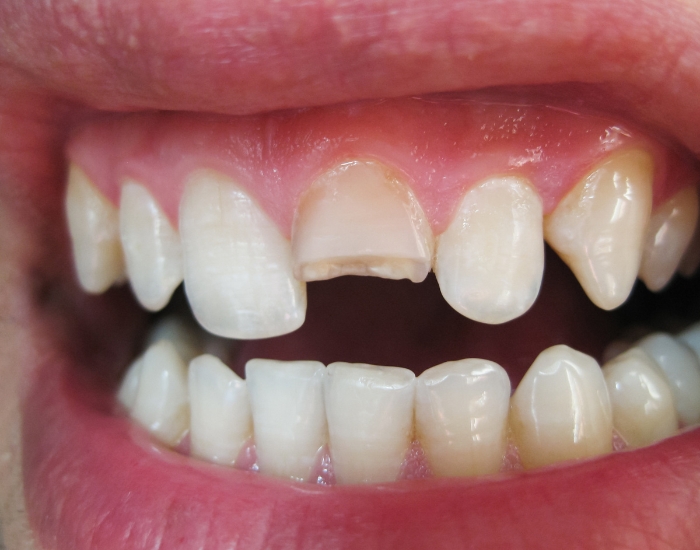
- Visible cracks, chips or dark spots on the tooth
- Difficulty opening the mouth comfortably
Ignoring these symptoms can let a minor issue turn into a serious infection, an abscess or even tooth loss. Pain that throbs, keeps you up at night or spreads to the jaw or ear usually means the nerve is involved. Our article on tooth pain when chewing explains what different types of pain often mean.
Pain in a lower back tooth?
Walk-In Dental Clinic in Katy offers same-day and walk-in visits 7 days a week. We find the cause, explain every option and the cost, and can often treat you the same visit.
How do dentists evaluate a lower molar chewing tooth?
Dentists use a hands-on exam, X-rays, a bite check and a review of your health history to find exactly what is wrong with a lower molar. At a walk-in visit the evaluation is systematic:
- Visual and tactile exam: the dentist inspects the tooth for cavities, cracks and signs of gum disease and checks how it responds to pressure.
- X-rays and imaging: these reveal hidden decay, root infection, bone loss and the position of any impacted wisdom teeth.
- Bite assessment: the dentist checks how your teeth meet when you bite and chew, looking for high spots or uneven pressure.
- Medical history review: certain medications and health conditions affect dental health and healing, so these are taken into account.
This thorough evaluation means your care is tailored to your situation, and you hear the findings, the options and the cost before treatment begins.
What treatments are available for lower molar problems?
The right treatment depends on the problem: fillings for cavities, crowns for cracked or worn teeth, root canal therapy for deep infection, deep cleaning for gum disease and extraction when a tooth cannot be saved. The main options are:
- Fillings: tooth-colored fillings treat cavities before they progress.
- Crowns: a crown protects a cracked or heavily worn molar.
- Root canal therapy: root canal treatment addresses deep infection or severe decay while keeping the tooth.
- Professional cleaning and scaling: essential for managing gum disease around the back teeth.
- Extraction: sometimes a tooth is too damaged to save, including wisdom teeth that are harming the lower molars.
When extraction is the best option, quick access to care helps prevent further complications. At Walk-In Dental Clinic we perform simple extractions and more involved surgical removals, and we discuss replacement options such as a bridge or implant so the gap does not affect your bite.
Who should manage your lower molar issues?
For most lower molar problems, a licensed general dentist is the right first stop, with specialist care reserved for complex cases. Different providers focus on different needs:
- General dentist: handles routine care, fillings, crowns and most extractions.
- Oral surgeon: best suited for deeply impacted teeth, severe fractures and complex wisdom teeth removal.
- Endodontist: focuses on root canal therapy for teeth with deep decay or infection.
Starting at a dedicated walk-in dental clinic gets you a faster diagnosis and, in many cases, treatment the same day. If your case needs a specialist, we explain why and help you plan the next step.
How can you prevent lower molar problems?
Brushing twice daily with fluoride toothpaste, flossing every day and keeping regular checkups are the most effective ways to protect lower molars. Habits that make a real difference:
- Brushing: brush at least twice a day with fluoride toothpaste, angling the bristles toward the gum line and into the grooves of the back teeth.
- Flossing: clean between the molars every day to remove trapped food and lower the risk of cavities and gum disease.
- Antibacterial mouthwash: a rinse can help reduce plaque around hard-to-reach back teeth.
- Avoid hard foods: limit chewing ice, hard candy or non-food objects that can crack teeth.
- Mouthguards: wear one during sports, and ask about a night guard if you grind your teeth.
- Regular dental visits: routine checkups and cleanings catch early decay, gum problems or alignment changes.
These steps keep your lower molars strong, help you avoid urgent visits and support a healthy, comfortable bite for years to come.
Same-Day Care Near Katy, Cypress & Fulshear
Walk-In Dental Clinic is located at 20919 Kingsland Blvd, Katy, TX 77450, just off I-10 with easy access from the Grand Parkway. We are open 7 days a week, including evenings, Saturdays and Sundays, and see same-day patients from Katy, Cinco Ranch, Fulshear, Cypress, Richmond, Sugar Land and the rest of Greater Houston. Call ahead and we can assess your symptoms by phone and be ready when you arrive.
Same-day dental care, 7 days a week
Tell us what is happening and we will get you in as soon as possible.
Frequently Asked Questions
How long do lower molars last?
With good daily care and regular checkups, lower molars can last a lifetime. Cavities, cracks and gum disease are what usually shorten their life, and all of them are easier to treat when caught early.
Is pain in a lower molar chewing tooth always serious?
Not always, but persistent pain should be evaluated. It can signal decay, a crack, gum disease or a nerve problem, and a quick exam with an X-ray tells you which one it is.
Can a cracked lower molar be saved?
Many cracked teeth can be saved with a crown or bonding, depending on how deep the crack goes. If the crack reaches the nerve, a root canal may be needed first; a crack that splits the root usually means extraction.
When should wisdom teeth be removed to protect the lower molars?
If wisdom teeth cause crowding, pain, repeated gum infection or decay on the second molar, a dentist may recommend removal. X-rays show whether a lower third molar is pressing on the tooth in front of it.
Are lower molar extractions painful?
Local anesthesia numbs the area so you should feel pressure rather than pain during the extraction. Some soreness afterward is common and is usually manageable with the aftercare guidance your dentist gives you.
Why does food keep getting stuck around my lower molar?
Food trapping can be caused by a cavity between teeth, a broken filling, gum recession or a gap from a shifted tooth. It is worth having checked, since trapped food can lead to decay and gum inflammation.
Can I see a dentist today for lower molar pain near Katy, Cypress or Fulshear?
Yes. Walk-In Dental Clinic at 20919 Kingsland Blvd in Katy offers same-day and walk-in appointments 7 days a week, including evenings and weekends. Call (713) 999-5328 before you leave so we can be ready.
Final Thoughts
Your lower molar chewing teeth work hard every day, and keeping them healthy is essential for comfort, function and overall well-being. Recognizing early warning signs and getting care promptly prevents complications and helps you keep your natural teeth. If a lower back tooth is bothering you, call Walk-In Dental Clinic at (713) 999-5328 or book online. We welcome patients from Katy, Cypress, Fulshear and all of Greater Houston.
Further reading
- American Dental Association patient resource: MouthHealthy.org
- U.S. National Library of Medicine: MedlinePlus, Tooth Disorders
Medical disclaimer: This content is for informational purposes only and does not constitute medical or dental advice. Always consult a licensed dental professional about your own symptoms. In a medical emergency, call 911.