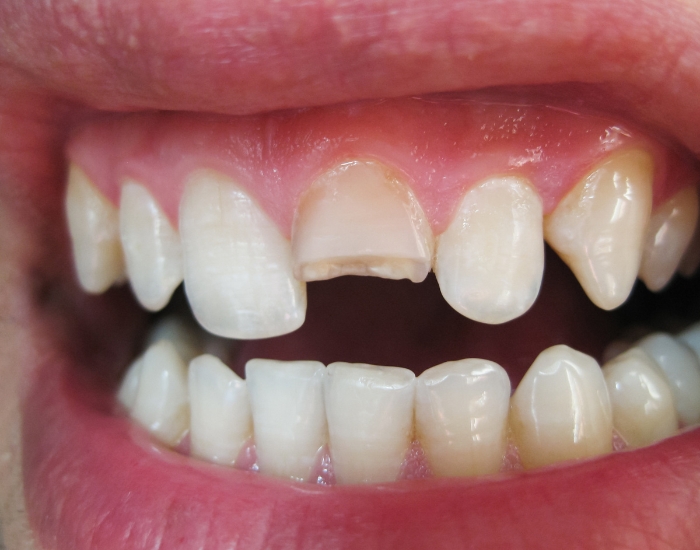

How many teeth does a human have? Children have 20 primary (baby) teeth, and adults typically have 32 permanent teeth, including four wisdom teeth; adults whose wisdom teeth never formed or were removed usually have 28. Genetics, tooth loss and extra teeth can change that number, so a dentist should check any gap or crowding you are unsure about.
A surprising number of patients sit in the dental chair and ask a very basic question: “How many teeth am I supposed to have?” Sometimes it comes after noticing a missing tooth. Other times it happens when a child’s baby teeth start falling out, or after a conversation about wisdom teeth removal.
The answer depends on age, development and individual variation. Knowing what is normal helps you recognize what is not and when a dental evaluation may be needed. This guide covers baby teeth, adult teeth, wisdom teeth, what each type of tooth does and why the number sometimes changes.
- Children have 20 primary teeth: 8 incisors, 4 canines and 8 molars.
- Adults typically have 32 permanent teeth: 8 incisors, 4 canines, 8 premolars and 12 molars.
- Without wisdom teeth, most adults have 28 teeth.
- Missing teeth, extra teeth (hyperdontia) and late eruption all deserve a dental check.
- Daily brushing, flossing and regular checkups help you keep your natural teeth for life.
How many teeth does a human have in total?
Children typically have 20 primary teeth and adults typically have 32 permanent teeth. Not every adult ends up with 32 visible teeth, though. Wisdom teeth removal, teeth that never developed or, less often, extra teeth can change the final count. So the real answer depends on your stage of life.
| Tooth type | Baby teeth (child) | Permanent teeth (adult) |
|---|---|---|
| Incisors | 8 | 8 |
| Canines | 4 | 4 |
| Premolars | 0 | 8 |
| Molars | 8 | 12 (including 4 wisdom teeth) |
| Total | 20 | 32 (28 without wisdom teeth) |
How many teeth does a child have?
Children have 20 primary teeth, also called baby or deciduous teeth: 8 incisors, 4 canines and 8 molars. Baby teeth usually start appearing around 6 months of age, and most children have the full set of 20 by about age 3.
Although they are temporary, baby teeth do important work:
- Helping with speech development
- Allowing proper chewing and nutrition
- Holding space for the permanent teeth underneath
- Supporting healthy facial development
Parents sometimes underestimate baby teeth because they eventually fall out. In reality, a decayed baby tooth can cause pain and infection, and losing one too early can let neighboring teeth drift into the space the permanent tooth needs. Early dental care protects long-term oral health.
When do baby teeth fall out?
Most children begin losing baby teeth around age 6, and the process usually continues until about age 12. The order generally follows the order the teeth came in:
- Lower central incisors
- Upper central incisors
- Lateral incisors
- First baby molars
- Canines
- Second baby molars
As each baby tooth loosens and falls out, a permanent tooth gradually takes its place. Around age 6 the first permanent molars also arrive behind the baby teeth without replacing any of them, which surprises many parents. Around age 12 the second molars follow.
How many teeth does an adult have?
Most adults have 32 permanent teeth: 8 incisors, 4 canines, 8 premolars and 12 molars, including the 4 wisdom teeth. That full count is what you would expect under ideal development. Each jaw holds 16 teeth, arranged as mirror images on the left and right sides.
From the front of the mouth to the back, each quarter of the mouth usually contains two incisors, one canine, two premolars and three molars. Our guides to the central incisor, the canine tooth, the premolar and the lower molar explain each one in detail.
Missing, loose or painful tooth?
Walk-In Dental Clinic in Katy sees same-day patients of all ages 7 days a week. We check what is going on, explain your options and the cost, and start treatment when you are ready.
What about wisdom teeth?
Wisdom teeth, or third molars, usually come in between ages 17 and 25, but some people never develop them, some have fewer than four and many have them removed. If all four wisdom teeth are removed or never form, the adult count becomes 28 instead of 32, which is why many people believe they have fewer teeth than expected.
Wisdom teeth are often removed because there is not enough room for them, which can lead to impaction, crowding, pain or infection. Learn more in our guide to the wisdom tooth third molar and on our wisdom teeth removal page.
Why do some adults have fewer than 32 teeth?
The most common reason is wisdom tooth removal, followed by teeth that never formed, tooth loss from decay or gum disease and injuries. Several factors can affect the final number:
- Wisdom tooth extraction: by far the most common reason.
- Congenitally missing teeth: some people are born without certain permanent teeth, most often the wisdom teeth, upper lateral incisors or lower premolars.
- Tooth loss from decay or gum disease: untreated cavities or periodontal disease can lead to extraction.
- Trauma or injury: accidents and sports injuries can knock out or break teeth.
If you suspect a missing tooth beyond your wisdom teeth, a dental exam and X-ray can confirm what is there. Replacing a missing tooth with an implant or bridge helps prevent neighboring teeth from shifting.
Can some people have more than 32 teeth?
Yes, although it is uncommon: a condition called hyperdontia causes extra, or supernumerary, teeth. These extra teeth may:
- Stay hidden below the gum (impacted)
- Erupt in unusual positions
- Cause crowding or block permanent teeth from coming in
Extra teeth often need monitoring or removal to prevent complications, and they are usually discovered on routine dental X-rays.
What does each type of tooth do?
Incisors cut, canines tear, premolars crush and molars grind, so each type plays its own role in chewing and speech. Here is how they work together:
- Incisors: the flat front teeth used for cutting and biting into food.
- Canines: the pointed teeth beside the incisors, used for tearing and for guiding the bite.
- Premolars: between the canines and molars, used to crush and grind food.
- Molars: the broad back teeth that handle the heaviest chewing.
Because the teeth work as a team, losing even one can affect your bite, put extra pressure on the remaining teeth and allow teeth to tilt into the gap.
Why does knowing your tooth count matter, and when should it be checked?
Knowing how many teeth you should have helps you spot missing teeth, track a child’s development, plan orthodontic treatment and notice changes in your oral health. A dental evaluation is a good idea if:
- A child has not developed expected teeth by the usual age milestones
- Permanent teeth are not erupting after baby teeth fall out
- Teeth appear crowded or misaligned
- There is unexplained tooth loss
- Wisdom teeth cause pain or swelling
A general dentist usually monitors tooth count and development at routine checkups, with pediatric dentists, oral surgeons or orthodontists involved when needed. Early assessment often prevents larger issues later. At Walk-In Dental Clinic we offer same-day visits 7 days a week if something has changed suddenly, such as a tooth that is loose, broken or painful.
How can you keep all your natural teeth for life?
Development decides how many teeth you start with; daily habits decide how many stay healthy, so brush twice a day, floss daily, limit sugar and keep regular cleanings. Key habits include:
- Brushing twice a day with fluoride toothpaste
- Flossing daily
- Limiting sugary snacks and drinks
- Attending regular dental cleanings and checkups
- Addressing small problems such as sensitivity or a chipped tooth early
Preserving natural teeth is always preferable to replacing them. A few fun facts to remember: enamel is the hardest substance in the human body, teeth begin forming before birth, no two people have identical tooth patterns and saliva plays a key role in protecting enamel. Our article on whether tooth enamel can be restored explains how to protect that enamel.
Same-Day Care Near Katy, Cypress & Fulshear
Walk-In Dental Clinic is located at 20919 Kingsland Blvd, Katy, TX 77450, just off I-10 with easy access from the Grand Parkway. We are open 7 days a week, including evenings, Saturdays and Sundays, and see same-day patients from Katy, Cinco Ranch, Fulshear, Cypress, Richmond, Sugar Land and the rest of Greater Houston. Call ahead and we can assess your symptoms by phone and be ready when you arrive.
Same-day dental care, 7 days a week
Tell us what is happening and we will get you in as soon as possible.
Frequently Asked Questions
How many teeth does a human have as an adult?
Most adults have 32 permanent teeth, including four wisdom teeth. If the wisdom teeth never developed or were removed, the usual count is 28.
How many baby teeth do children have?
Children have 20 baby teeth: 8 incisors, 4 canines and 8 molars. Most have the full set by around age 3 and begin losing them around age 6.
Is it normal to have only 28 teeth?
Yes. Many adults have 28 teeth because their wisdom teeth were removed or never formed. If you have fewer than 28 and are not sure why, a dental exam can check for missing or impacted teeth.
Can you grow a third set of teeth?
No. Humans have only two sets: baby teeth and permanent teeth. A lost permanent tooth will not grow back, although extra teeth from hyperdontia can occasionally appear.
Why does my child have a permanent tooth coming in behind a baby tooth?
Sometimes a permanent tooth erupts before the baby tooth falls out, often with the lower front teeth. It frequently resolves as the baby tooth loosens, but if it does not loosen within a few weeks, have a dentist take a look.
Do all adults have wisdom teeth?
No. Some people never develop wisdom teeth and others have only one, two or three. X-rays show whether any wisdom teeth are present below the gum.
What should I do if I have a gap from a missing tooth?
Have it evaluated, because neighboring teeth can shift into the space and affect your bite. Options such as an implant or bridge can replace the tooth, and we explain the costs before treatment.
Where can my family get a dental checkup near Katy, Cypress or Fulshear?
Walk-In Dental Clinic at 20919 Kingsland Blvd in Katy sees patients of all ages with same-day and walk-in visits 7 days a week. Call (713) 999-5328 to let us know you are coming.
Final Thoughts
So, how many teeth does a human have? Children have 20 primary teeth, adults typically have 32 permanent teeth and adults without wisdom teeth usually have 28, with some variation from genetics, tooth loss or extra teeth. Whether you are watching a child’s teeth come in or wondering about your own, routine checkups keep eruption, alignment and long-term oral health on track. If you have questions or a dental concern, call Walk-In Dental Clinic at (713) 999-5328 or book online. We welcome families from Katy, Cypress, Fulshear and across Greater Houston.
Further reading
- American Dental Association patient resource: MouthHealthy.org
- U.S. National Library of Medicine: MedlinePlus, Tooth Disorders
Medical disclaimer: This content is for informational purposes only and does not constitute medical or dental advice. Always consult a licensed dental professional about your own symptoms. In a medical emergency, call 911.