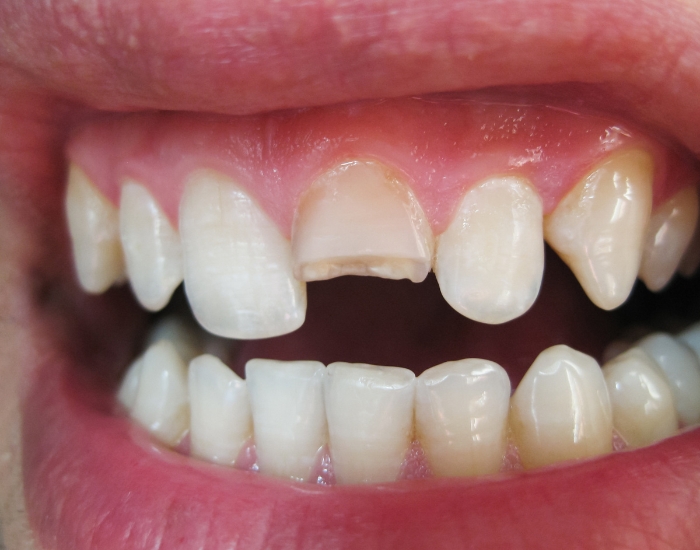

Jaw tooth pain is usually caused by a problem in a tooth, most often a deep cavity, a tooth infection or abscess, an impacted wisdom tooth, a cracked tooth, gum disease or teeth grinding, and the pain spreads into the jaw because the teeth and jaw share the same nerve pathways. Less often, the source is the jaw joint (TMJ), a misaligned bite or the sinuses.
What feels like jaw pain is very often a dental problem in disguise. Because the nerves in the mouth are so closely connected, a toothache can radiate to the jaw, ear or temple and make it hard to tell where the pain really starts. Finding the true source is the first step toward the right treatment and preventing long-term damage. This guide explains how tooth problems cause jaw discomfort, the symptoms to watch for, the treatments that help most and the signs that need immediate care. Walk-In Dental Clinic in Katy sees same-day patients from Katy, Cypress, Fulshear and Greater Houston 7 days a week.
- Most jaw tooth pain starts in a tooth and spreads along shared nerves to the jaw, ear or head.
- Cavities, infections, abscesses, impacted wisdom teeth, cracked teeth and grinding are the top causes.
- Jaw clicking, popping or locking points more toward the jaw joint (TMJ).
- Treatment depends on the cause: fillings, root canals, extractions, gum care, night guards or TMJ care.
- Jaw swelling with trouble breathing or swallowing, or spreading into the neck, needs the ER or 911.
What is jaw tooth pain?
Jaw tooth pain is discomfort that involves both the teeth and the jaw. In many cases, the pain starts in one tooth and spreads to the jaw because the jawbone and the teeth share nerves and are physically connected.
The pain can be mild or severe, constant or on and off, and it may be felt on one side only. Because jaw pain can come from dental problems, the jaw joint, the chewing muscles or even the sinuses, identifying the root cause is essential. A dentist can usually tell the difference with an exam, a few simple tests and X-rays. If the pain is centered in the back of your mouth, our guide to back tooth pain may also help.
What causes jaw tooth pain?
The most common causes of jaw tooth pain are deep cavities, gum disease, impacted wisdom teeth, tooth abscesses, cracked or broken teeth and teeth grinding (bruxism). Each one can create pain that seems to come from the jaw rather than the tooth.
- Tooth decay and cavities: a cavity that reaches the nerve can cause pain that radiates into the jaw and worsens as decay progresses.
- Gum disease: advanced gum infection affects the bone that supports the teeth and can feel like jaw pain.
- Impacted wisdom teeth: teeth that cannot fully erupt press on neighbors and cause pressure, swelling and jaw stiffness.
- Tooth abscess: infection can spread from the tooth into the jawbone, causing swelling and severe pain.
- Cracked or broken teeth: pressure on a crack sends sharp pain that can extend into the jaw.
- Bruxism: nighttime grinding and clenching strain the jaw muscles and lead to jaw pain, headaches and sensitivity.
Why does tooth pain radiate to the jaw and ear?
Tooth pain radiates to the jaw and ear because the nerves serving the teeth, jaw and ear are branches of the same main facial nerve. When a tooth is inflamed or infected, the brain can misread where the signal comes from, so you feel pain in nearby areas.
This is called referred pain, and it explains why a lower molar problem can feel like an earache and an upper tooth problem can feel like a headache or sinus pain. Muscle tension from clenching or grinding can also spread across the jaw and into the teeth. Learn more in our article on whether a tooth infection can cause a headache.
Can a tooth infection cause jaw pain?
Yes. A tooth infection is one of the most common and serious causes of jaw pain. Infection starts in the pulp and, if untreated, spreads through the root tip into the jawbone and surrounding tissue.
- Intense, throbbing pain that may worsen at night
- Swelling in the jaw, cheek or face
- Sensitivity to hot or cold foods
- A bad taste or foul breath
- Tender, swollen lymph nodes under the jaw
- Fever in more severe cases
A tooth infection needs prompt dental treatment to prevent complications. Our pages on tooth infection pain and swollen jaw care explain what to expect.
Jaw and tooth pain?
Walk-In Dental Clinic in Katy can find whether the pain is coming from a tooth and often treat it the same day. Open 7 days a week.
What jaw and tooth pain symptoms should I watch for?
Watch for pain that worsens when you bite or chew, jaw stiffness, swelling, tooth sensitivity, pain that is worse at night, earaches or headaches and tender jaw muscles. The combination of symptoms helps point to the cause.
| Symptom pattern | More likely source |
|---|---|
| One tooth hurts with hot, cold or sweets, pain spreads to jaw | Cavity or inflamed nerve |
| Throbbing pain plus swelling or bad taste | Tooth infection or abscess |
| Pressure and swelling at the very back, trouble opening | Impacted or infected wisdom tooth |
| Sharp pain when biting a certain way | Cracked tooth |
| Sore jaw and teeth in the morning, headaches | Grinding or clenching |
| Clicking, popping or locking of the jaw | TMJ disorder |
| Upper teeth ache on both sides with congestion | Sinus pressure |
Can TMJ, bite problems or sinuses cause jaw tooth pain?
Yes. TMJ disorders, a misaligned bite and sinus infections can all cause pain that feels like it comes from the teeth and jaw, even when the teeth themselves are healthy.
Temporomandibular joint (TMJ) disorders affect the joint that connects the jaw to the skull and can cause clicking, popping, locking and pain that radiates to the teeth. A misaligned bite (malocclusion) puts uneven pressure on certain teeth, straining the jaw. Sinus infections are not a dental problem, but because the sinuses sit just above the upper back teeth, the pressure can feel like an upper jaw toothache. Ruling out a dental cause first is important, because an infected tooth can mimic all of these.
How is jaw tooth pain treated?
Jaw tooth pain is treated by fixing the source. A dentist may fill a cavity, perform a root canal for an infected tooth, extract a damaged or impacted tooth, treat gum disease, provide a night guard for grinding or recommend TMJ care for jaw joint problems.
- 1. Cavity: remove the decay and place a tooth-colored filling.
- 2. Infected tooth: root canal treatment removes the infected pulp and relieves pressure.
- 3. Impacted or badly damaged tooth: an extraction, including wisdom teeth removal when needed.
- 4. Gum disease: deep cleaning and periodontal care.
- 5. Grinding: a custom night guard to protect teeth and relax jaw muscles.
- 6. TMJ problems: bite evaluation and TMJ-focused care.
For mild jaw pain while you wait for your visit, a cold compress, soft foods, gentle jaw stretches, over-the-counter pain relievers taken as directed and avoiding clenching can help. We explain your options and the cost before any treatment begins.
When does jaw tooth pain need immediate dental attention?
Jaw tooth pain needs immediate attention if it is severe or getting worse, swelling is spreading to the face or neck, you have fever, trouble swallowing or breathing, pus or an abscess, a locked jaw or pain lasting more than a few days.
These signs often point to a serious infection or dental problem that needs professional care quickly. Walk-In Dental Clinic offers same-day emergency dental care in Katy and can triage your symptoms by phone. If you cannot open your mouth because of swelling, or swelling affects your breathing, go to the ER.
How can I prevent jaw tooth pain?
You can prevent most jaw tooth pain with good daily oral care, regular checkups, protection from grinding and avoiding very hard foods.
- Brush twice daily with fluoride toothpaste and floss every day.
- Keep regular dental checkups so problems are caught before they spread to the jaw.
- Wear a mouthguard or night guard if you grind or clench.
- Avoid chewing ice and other very hard foods that can crack teeth.
- Keep good posture and manage stress to reduce jaw tension.
Same-Day Care Near Katy, Cypress & Fulshear
Walk-In Dental Clinic is located at 20919 Kingsland Blvd, Katy, TX 77450, just off I-10 with easy access from the Grand Parkway. We are open 7 days a week, including evenings, Saturdays and Sundays, and see same-day patients from Katy, Cinco Ranch, Fulshear, Cypress, Richmond, Sugar Land and the rest of Greater Houston. Call ahead and we can assess your symptoms by phone and be ready when you arrive.
Same-day dental care, 7 days a week
Tell us what is happening and we will get you in as soon as possible.
Frequently Asked Questions
What causes jaw tooth pain on one side?
Pain on one side is often caused by a tooth infection, a deep cavity, an impacted wisdom tooth or a cracked tooth on that side. Grinding and TMJ problems can also be one-sided. A dental exam and X-rays help find the source.
Why does tooth pain radiate to the jaw and ear?
The teeth, jaw and ear share branches of the same facial nerve, so pain signals can be felt in nearby areas. This referred pain can make a tooth problem feel like an earache or jaw ache. Treating the tooth usually stops the radiating pain.
Can a tooth infection cause jaw pain at night?
Yes. Lying down increases blood flow and pressure around an infected tooth, which can make jaw pain worse at night. An infection needs professional treatment and will not clear up on its own.
What jaw and tooth pain symptoms can a cavity cause?
A cavity can cause sensitivity to hot, cold or sweets, pain when chewing and a sharp or throbbing ache that spreads to the jaw. Pain that lingers or wakes you suggests the decay has reached the nerve.
How does a dentist treat jaw pain from dental causes?
Treatment may include a filling, root canal, extraction, gum disease treatment or a night guard for grinding, depending on the cause. If the jaw joint is involved, TMJ-focused care may be recommended.
How can I tell if my jaw pain is from a tooth or TMJ?
Tooth-related pain often involves one tooth, sensitivity or swelling, while TMJ pain often comes with clicking, popping, locking or pain in front of the ear when you chew or yawn. They can overlap, so an exam is the best way to know.
Is jaw swelling from a tooth an emergency?
Jaw swelling from a tooth should be treated the same day whenever possible. If it comes with trouble breathing or swallowing, or spreads down the neck or toward the eye, go to the ER or call 911.
Where can I get jaw tooth pain checked near Katy, Cypress or Fulshear?
Walk-In Dental Clinic at 20919 Kingsland Blvd in Katy sees same-day and walk-in patients 7 days a week. Call (713) 999-5328 and we can triage your symptoms before you arrive.
Final Thoughts
Jaw tooth pain can be confusing, because it often feels like it comes from the jaw instead of a tooth. Most cases, though, are linked to dental problems such as cavities, infections or grinding, and early diagnosis prevents complications and long-term discomfort. If you have tooth-related jaw pain, call Walk-In Dental Clinic at (713) 999-5328 or walk in to our Katy office, open 7 days a week.
Further reading
- American Dental Association patient resource: MouthHealthy.org
- U.S. National Library of Medicine: MedlinePlus, Tooth Disorders
Medical disclaimer: This content is for informational purposes only and does not constitute medical or dental advice. Always consult a licensed dental professional about your own symptoms. In a medical emergency, call 911.