Can I walk in for tooth extraction? Yes. At Walk-In Dental Clinic, 20919 Kingsland Blvd in Katy, you can walk in without an appointment 7 days a week, and if the exam and X-rays show the tooth needs to come out, it can often be removed the same visit. The tooth is never pulled automatically on arrival; a dentist first confirms that extraction is the right treatment.
Severe tooth pain rarely waits for a convenient time. It can strike in the evening, during the workday or over the weekend. You may feel intense pressure in your jaw, sharp pain when chewing or swelling around the gums. When the discomfort is overwhelming, waiting days for an appointment may not feel possible, and many people also feel anxious or unsure whether extraction is really needed. This guide explains when a walk-in extraction is appropriate, what to expect, the alternatives, recovery and how to prepare.
- Walk-in extraction is possible in many urgent cases, but an exam and X-rays always come first.
- Severe pain, swelling, infection, a broken tooth and bleeding after trauma are good reasons to walk in.
- A root canal, crown or filling may save the tooth, and your dentist will explain those options.
- Most people heal in one to two weeks with simple aftercare.
- Calling (713) 999-5328 before you leave lets our team triage you and be ready when you arrive.
What Is a Tooth Extraction?
A tooth extraction is the removal of a tooth from its socket in the jawbone, recommended when the tooth is too damaged to restore or is causing problems for the teeth around it.
Extractions may be needed for:
- Severe decay that has destroyed most of the tooth
- Advanced gum disease that has loosened the tooth
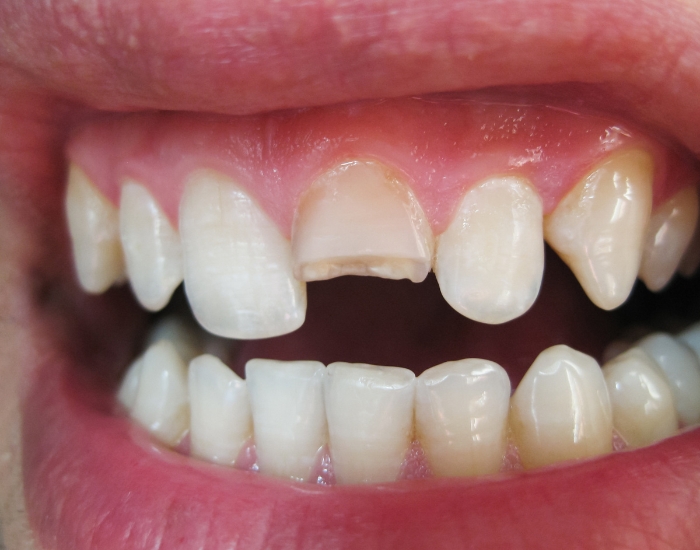
- Fractures that extend below the gumline
- Dental abscesses that cannot be cleared another way
- Impacted wisdom teeth
- Overcrowding before orthodontic treatment
Many people start searching for a toothache dentist near them when pain becomes intolerable. An evaluation decides whether extraction is required or the tooth can still be saved. Our toothache treatment page explains how we find the cause.
Can You Walk In for a Tooth Extraction Without an Appointment?
Yes, in many urgent situations you can walk in for an evaluation and possible extraction on the same day. However, extraction is not done automatically. A dental exam and X-rays are needed to check:
- How severe the damage is
- Whether infection is present
- How much bone is involved
- Your overall oral health
- Medical history factors that affect treatment
Walk-in extractions are most appropriate when pain is severe and persistent, swelling is present, infection is suspected, the tooth is fractured or bleeding will not stop after an injury. Walk-In Dental Clinic offers same-day emergency dental care and is open evenings and weekends, so you do not have to wait for a weekday opening. For a deeper look, see walking in for an extraction without an appointment.
Which Situations May Require Immediate Extraction?
Immediate extraction is most often needed for a severe infection, extensive decay, a tooth broken below the gum, a painful impacted wisdom tooth or a tooth loosened by gum disease.
- Severe infection or abscess: a spreading infection with facial swelling may need prompt treatment, and a swollen face from a tooth infection can progress quickly.
- Advanced decay: when decay destroys most of the tooth, a filling or crown may not be possible.
- Cracked or broken tooth: a fracture that runs below the gumline is often not repairable.
- Impacted wisdom teeth: painful, trapped wisdom teeth often need removal by a team experienced in oral surgery.
- Gum disease: advanced periodontal disease can loosen teeth beyond the point of stabilization.
Which Symptoms Should Not Be Ignored?
Severe throbbing pain, swelling, pus, fever, a loose adult tooth or bleeding that will not stop all deserve a same-day dental visit. Seek prompt evaluation if you have:
- Severe, throbbing tooth pain
- Swelling of the gums or face
- Pus or a foul taste in your mouth
- Fever
- Difficulty chewing
- A loose adult tooth
- Persistent bleeding
These problems often come from untreated cavities, injuries, grinding or clenching, failed old fillings or crowns, deep infections, poor oral hygiene or care that was put off. The longer a problem goes untreated, the more likely it is to end in extraction. Our guide to signs you need emergency tooth extraction covers this in more detail.
Walk in today for tooth pain
Walk-In Dental Clinic in Katy accepts walk-in patients 7 days a week. We examine the tooth, explain whether it can be saved and what each option costs, and can often treat it the same visit.
How Can You Manage Pain Before You Walk In?
Rinse with warm salt water, use a cold compress on the outside of your cheek, take an over-the-counter pain reliever as directed on the label and head in as soon as you can. These steps ease discomfort but do not treat the cause.
- Rinse gently with warm salt water to clean the area.
- Hold a cold pack on your cheek for 15 minutes at a time to calm swelling.
- Use an over-the-counter pain reliever exactly as the label directs, if it is safe for you.
- Keep your head raised when resting, which can reduce throbbing.
- Avoid very hot, cold or sugary foods and chewing on the sore side.
- Never place aspirin or other tablets directly on the gum, because they can burn the tissue.
Before you leave, gather a list of your medications and allergies, your insurance card if you have one, and a short note of when the pain started and what makes it worse. If a tooth broke, bring the pieces. This helps the dentist work quickly once you arrive. If pain is worst at night, our guide to severe tooth pain at night has more tips.
How Does the Dentist Decide Whether Extraction Is Needed?
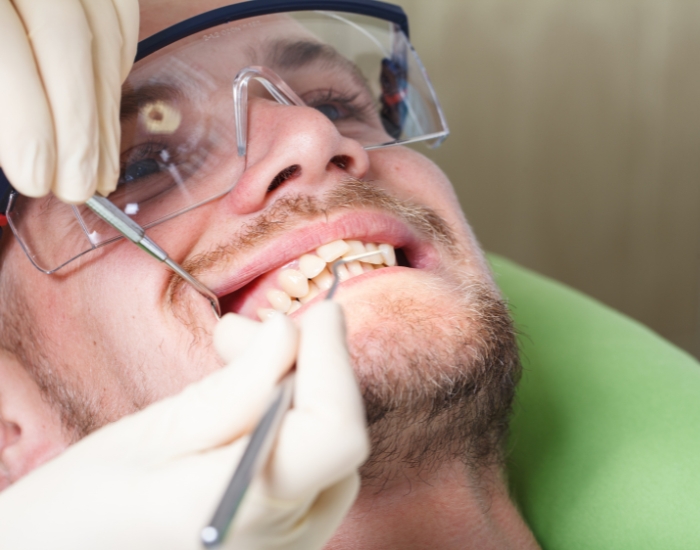
Even during a walk-in visit, the dentist examines the tooth, takes X-rays and reviews your medical history before recommending extraction. This makes sure removal is truly necessary and safe.
- Oral exam: checking tooth mobility, swelling, gum condition and visible fractures.
- Dental X-rays: showing root shape, bone health, how far infection has spread and whether a tooth is impacted.
- Medical history: noting diabetes, heart conditions, bleeding disorders, pregnancy and medications that affect healing.
- Discussion: explaining what we found, whether the tooth can be saved and the cost of each option.
Nothing is done until you understand the plan and agree to it. If you would rather think it over, we can stabilize the tooth and control the pain while you decide.
What Types of Tooth Extractions Are There?
There are two main types: simple extractions for teeth that are fully visible, and surgical extractions for teeth that are broken, impacted or below the gumline. A simple extraction loosens and lifts out a tooth that is in one piece. A surgical extraction uses a small incision, and sometimes removes the tooth in sections, when the tooth is broken at the gum or the roots are complex.
Learn more on our simple extractions and surgical extractions pages.
| Simple extraction | Surgical extraction | |
|---|---|---|
| When it is used | Tooth is visible and in one piece | Tooth is broken at the gum, impacted or has complex roots |
| How it is done | Tooth is gently loosened and lifted out | A small incision is made and the tooth may be removed in sections |
| Numbing | Local anesthesia | Local anesthesia; comfort options discussed with you |
| Stitches | Usually not needed | Often placed |
Are There Alternatives to Pulling the Tooth?
Yes. If enough healthy tooth remains, a root canal, crown or filling can often save it, and saving natural teeth is generally preferred.
- Root canal therapy: removes infection from inside the tooth while keeping the tooth itself.
- Dental crowns: rebuild and protect a tooth after decay is removed.
- Dental fillings: repair moderate decay before it reaches the nerve.
See our root canal treatment page to learn how it works. If extraction cannot be avoided, a dental implant, bridge or partial denture can restore chewing and appearance after healing.
What Happens During a Walk-In Extraction Visit?
A walk-in extraction visit moves from check-in to exam, X-rays, discussion, numbing, removal and aftercare instructions, usually in a single trip. Knowing the steps ahead of time reduces anxiety.
- Check-in and a review of your medical history
- Exam and digital X-rays
- A clear explanation of the findings, options and cost
- Local anesthesia to numb the area
- Gentle removal of the tooth
- Gauze placed to control bleeding
- Written aftercare instructions
The removal itself is often quick, though the time depends on how complex the tooth is. Simple extractions usually take less time than surgical ones. Plan to rest for the remainder of the day and arrange a ride if you feel uneasy about driving.
What Are the Risks, and How Do You Recover?
Extractions are generally safe, and most people heal within one to two weeks by protecting the blood clot and keeping the area clean. Possible complications include bleeding, swelling, infection, dry socket, temporary numbness and delayed healing, and following post-operative instructions reduces them.
- First 24 hours: bite gently on gauze, avoid vigorous rinsing, avoid smoking and eat soft foods.
- Pain management: use prescribed or recommended medication and a cold compress on the outside of the cheek.
- Oral hygiene: avoid brushing directly over the site for 24 hours, then resume gentle cleaning.
- Follow-up: if severe pain develops several days later, come back so we can check for dry socket.
Read more about what is normal in how bad does tooth extraction hurt.
How Can You Ease Anxiety and Prevent Future Extractions?
Understanding the process eases most fear, and prompt care for small problems prevents most future extractions. Many patients worry about pain, the sounds of the procedure, complications or how a missing tooth will look. Modern dentistry focuses on comfort through effective numbing and gentle technique, and asking questions makes a big difference.
- Brush twice a day and floss daily
- Limit sugary foods and drinks
- Keep routine cleanings and check-ups
- Treat small cavities early
- Get tooth pain checked promptly instead of waiting
Cost is another common worry. We accept most dental insurance (exclusions apply), cash and major credit cards, and offer discounts and payment plans for patients without insurance. Visit our payment and insurance page or read about tooth extraction costs in Houston.
Same-Day Care Near Katy, Cypress & Fulshear
Walk-In Dental Clinic is located at 20919 Kingsland Blvd, Katy, TX 77450, just off I-10 with easy access from the Grand Parkway. We are open 7 days a week, including evenings, Saturdays and Sundays, and see same-day patients from Katy, Cinco Ranch, Fulshear, Cypress, Richmond, Sugar Land and the rest of Greater Houston. Call ahead and we can assess your symptoms by phone and be ready when you arrive.
Same-day dental care, 7 days a week
Tell us what is happening and we will get you in as soon as possible.
Frequently Asked Questions
Can I walk in and get a tooth pulled the same day?
In many urgent cases, yes. After an exam and X-rays confirm extraction is needed, Walk-In Dental Clinic in Katy can usually remove the tooth during the same visit.
Do I need to call before walking in?
No appointment is required, but calling (713) 999-5328 before you leave helps. Our team can triage your symptoms by phone and be ready within your driving time.
Is tooth extraction painful?
Local anesthesia numbs the area, so you may feel pressure but sharp pain is typically controlled. Soreness for a few days afterward is normal and manageable.
How long does recovery take?
Initial healing usually happens within one to two weeks, though the bone continues to heal for longer. Following aftercare instructions helps prevent complications.
What if I need a replacement tooth?
After healing, options such as dental implants, bridges or partial dentures can restore function and appearance. Your dentist will explain which fits your situation and budget.
Can I walk in for an extraction on a weekend?
Yes. Walk-In Dental Clinic is open 7 days a week, including Saturdays and Sundays, and sees walk-in extraction patients from Katy, Cypress, Fulshear and across Greater Houston.
When should I not wait for an appointment?
If you have swelling, fever or severe pain, seek prompt evaluation. If swelling affects breathing or swallowing or spreads toward your eye or neck, go to the ER or call 911.
Final Thoughts
So, can you walk in for tooth extraction? In many urgent situations, yes, as long as a proper evaluation confirms it is the right treatment. Prompt care relieves pain, stops infection and protects your overall health, and acting early often means simpler treatment. If you are dealing with severe tooth pain, swelling or a dental injury, call Walk-In Dental Clinic at (713) 999-5328 or walk in at 20919 Kingsland Blvd, Katy, any day of the week.
Further reading
- American Dental Association patient resource: MouthHealthy.org
- U.S. National Library of Medicine: MedlinePlus, Tooth Disorders
Medical disclaimer: This content is for informational purposes only and does not constitute medical or dental advice. Always consult a licensed dental professional about your own symptoms. In a medical emergency, call 911.