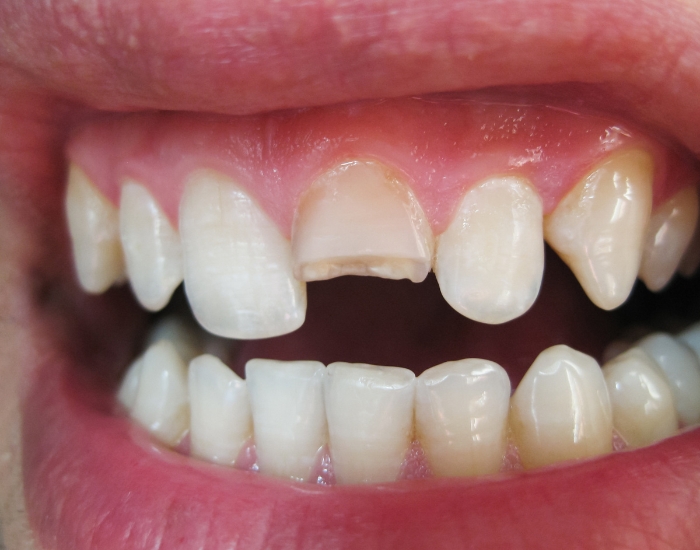

The only way to truly get rid of a swollen face from a tooth infection is to treat the infected tooth itself, usually with drainage, a root canal or an extraction, and sometimes antibiotics; cold compresses and pain relievers only ease symptoms in the meantime. Walk-In Dental Clinic at 20919 Kingsland Blvd in Katy treats tooth infection swelling on a same-day and walk-in basis, 7 days a week, for patients from Katy, Cypress, Fulshear and Greater Houston.
A swollen face caused by a tooth infection can be frightening. What starts as a mild toothache can turn into visible swelling of the cheek, jaw or even the area under the eye. That swelling is more than uncomfortable. It means the infection has spread beyond the tooth and needs professional attention, especially if it keeps growing or comes with pain and pressure. This guide explains why the swelling happens, how to tell how serious it is, what you can do at home while you wait, and how a dentist makes it go away.
- Facial swelling means a tooth infection has spread beyond the tooth into nearby tissue.
- Home care can ease discomfort, but the swelling keeps coming back until the tooth is treated.
- Treatment may include draining an abscess, a root canal, an extraction and, when appropriate, antibiotics.
- Swelling with trouble breathing or swallowing, or swelling moving toward the eye or neck, needs the ER or 911.
- Same-day dental care is the safest step for swelling that is growing or painful.
Why Does a Tooth Infection Cause Facial Swelling?
Facial swelling happens when bacteria escape the infected tooth and your body sends fluid and immune cells to fight them, which causes the tissue to puff up. The swelling is your body responding to an infection that is no longer contained inside the tooth.
A tooth infection usually begins deep inside the tooth, when bacteria reach the soft inner pulp through a deep cavity, a crack or a failing filling. Once the infection travels out through the root tip, it settles in the bone and soft tissue around the tooth. Pus can collect into a pocket called an abscess, and the surrounding area swells.
Where you see the swelling depends on which tooth is infected. Upper teeth sit close to the sinuses and facial nerves, so swelling can appear near the cheekbone, upper lip or under the eye. Lower teeth tend to cause swelling along the jaw or under the chin. You can learn more about how an abscess forms on our tooth abscess treatment page.
How Can You Tell the Swelling Is From a Tooth Infection?
Swelling from a tooth infection usually comes with tooth pain, tender gums and a bad taste, and it is centered near one tooth. If swelling is present, the problem has gone beyond a simple toothache.
- Persistent or worsening tooth pain, often throbbing
- Tender, red or swollen gums near one tooth
- Pressure or tightness in the cheek or jaw
- Pain spreading toward the eye, ear or nose
- A bad taste, bad breath or pus in the mouth
- Difficulty chewing or opening your mouth fully
- Fever or feeling generally unwell
Other things can cause facial swelling too, such as a sinus problem, an allergic reaction, a skin infection or a salivary gland issue. If there is no tooth pain and no gum tenderness, the cause may not be dental, and your doctor may be the better first call. For a fuller list of dental warning signs, see our guide to the symptoms of a tooth infection.
When Is Facial Swelling From a Tooth a Dental Emergency?
Facial swelling from a tooth infection should be treated as urgent if it keeps growing, spreads, causes intense pain or makes it hard to chew, swallow or open your mouth. Some symptoms mean you need the emergency room rather than a dental office.
- Swelling that continues to increase or spread
- Swelling that reaches the eye, nose or neck
- Pain that is intense or constant
- Trouble chewing, swallowing or opening your mouth
- Drainage, pus or a visible bump on the gum
- Fever, chills or feeling very unwell
What Can You Do at Home to Reduce the Swelling?
At home you can reduce discomfort with a cold compress, over-the-counter pain relievers taken as directed, warm salt-water rinses and rest with your head raised. These steps buy time but do not remove the infection.
- Apply a cold compress to the outside of the cheek for about 15 minutes at a time, with breaks in between.
- Take over-the-counter pain relievers exactly as the label or your pharmacist directs.
- Rinse gently with warm salt water to keep the area clean.
- Sleep with your head slightly raised to limit pressure and throbbing.
- Drink plenty of water and avoid very hot, cold or hard foods.
Avoid putting heat directly on a swollen face, do not try to pop or drain a gum bump yourself, and do not place aspirin on the gum. If swelling improves with home care, that does not mean the infection is gone. Plan to see a dentist promptly anyway.
Is your face swollen from a tooth?
Call (713) 999-5328. We see same-day patients in Katy 7 days a week and can treat the infected tooth at its source.
Why Is Professional Dental Treatment Necessary?
Professional treatment is necessary because the infection lives inside the tooth and the surrounding bone, where home remedies cannot reach. Until the source is treated, swelling is likely to return or get worse.
Swelling is a symptom, not the real problem. When a tooth becomes infected, bacteria move beyond the tooth into the surrounding tissue. Your body sends fluid to the area, which causes the visible swelling. Even if it seems to go down for a while, the infection is still active. Without care, bacteria keep spreading and the risk of complications rises.
Professional dental treatment is not only about relieving pain. It is about stopping the infection before it causes long-term damage to the bone, gums and neighboring teeth.
What Can Happen If a Tooth Infection Is Not Treated?
Without treatment, a tooth infection can cause recurring swelling, an abscess, damage to the jawbone and, in serious cases, spread to other parts of the face and body. These risks grow the longer treatment is delayed.
- Severe or recurring facial swelling: swelling may go down briefly and then return stronger and more painful.
- Abscess formation: a pocket of pus can cause intense pain, pressure and tissue damage.
- Damage to bone and surrounding tissue: the infection can weaken the jawbone and the support around your teeth.
- Infection spreading to other areas: bacteria can move into the face, neck or deeper spaces, which can become dangerous.
If your jaw is the main area that is swollen, our page on swollen jaw care covers the next steps.
How Does a Dentist Get Rid of Tooth Infection Swelling?
A dentist gets rid of the swelling by finding the infected tooth with an exam and X-ray, draining the infection if needed, and treating the tooth with a root canal or extraction. Antibiotics may be prescribed when the dentist decides they are appropriate.
- 1. Exam and X-ray to locate the infected tooth and see how far the infection has spread.
- 2. Drainage of an abscess, when needed, to relieve pressure and pain.
- 3. Root canal treatment to clean out the infected pulp and save the tooth.
- 4. Extraction when the tooth is too damaged or infected to save.
- 5. Antibiotics when appropriate, plus instructions for home care and follow-up.
Learn more about root canal treatment and abscess and swollen jaw care at our Katy office. Swelling usually starts to go down within a few days once the source is treated.
How Do You Help Swelling Heal After Treatment?
After treatment, follow your dentist’s instructions closely, finish any medication exactly as prescribed and keep the area clean so the swelling continues to go down. Most people feel noticeably better within a few days.
- Take any prescribed medicine on schedule and finish the full course.
- Keep using cold compresses for the first day if your dentist recommends it.
- Rinse gently with warm salt water after meals.
- Eat soft foods and chew on the other side until the area feels normal.
- Keep your follow-up visit, especially if a root canal needs a final crown.
Call the office if swelling increases after treatment, if fever develops or if pain is getting worse instead of better. Those signs mean the dentist should take another look.
Can You Get Same-Day Care at a Walk-In Dental Clinic?
Yes. A walk-in dental clinic can evaluate facial swelling the same day and start treating the infection at its source. Waiting for it to settle on its own is rarely the right choice.
Walk-In Dental Clinic is open 7 days a week, including evenings and weekends. Call (713) 999-5328 before you leave and our team will triage your symptoms by phone and be ready within your driving time. We explain your options and the cost before treatment starts, accept most dental insurance on an indemnity basis (exclusions apply), and offer discounts and payment plans for patients without insurance. Seeking care as soon as possible is the safest and most effective way to reduce swelling, relieve discomfort and protect your health.
Same-Day Care Near Katy, Cypress & Fulshear
Walk-In Dental Clinic is located at 20919 Kingsland Blvd, Katy, TX 77450, just off I-10 with easy access from the Grand Parkway. We are open 7 days a week, including evenings, Saturdays and Sundays, and see same-day patients from Katy, Cinco Ranch, Fulshear, Cypress, Richmond, Sugar Land and the rest of Greater Houston. Call ahead and we can assess your symptoms by phone and be ready when you arrive.
Same-day dental care, 7 days a week
Tell us what is happening and we will get you in as soon as possible.
Frequently Asked Questions
How long does it take for a swollen face from a tooth infection to go down?
Once the infected tooth is treated, swelling usually starts to improve within a few days. Without treatment, swelling may come and go but the infection stays active.
Can a tooth infection swelling go away on its own?
Swelling may go down temporarily, but the infection inside the tooth does not go away without treatment. It often returns, sometimes worse than before.
Should I use ice or heat on a swollen face?
Use a cold compress on the outside of the cheek for short periods. Avoid putting heat on facial swelling from an infection, since it can draw more fluid to the area.
Will antibiotics alone fix a tooth infection?
Antibiotics can help control spreading infection, but they cannot clean out the infected tooth. The tooth still needs a root canal, extraction or drainage to remove the source.
When should I go to the ER for facial swelling?
Go to the ER or call 911 if the swelling makes it hard to breathe or swallow, or if it spreads toward your eye or down your neck. These signs can mean a serious infection.
Can I walk in for a swollen face from a tooth infection?
Yes. Walk-In Dental Clinic in Katy sees same-day and walk-in patients 7 days a week. Calling ahead lets us prepare for your visit.
Is the infected tooth always pulled?
No. Many infected teeth can be saved with a root canal and crown. Extraction is recommended when the tooth is too damaged or the infection makes saving it unlikely.
Do you see patients with tooth infections from Cypress and Fulshear?
Yes. We treat patients from Cypress, Fulshear, Cinco Ranch, Richmond and Greater Houston. Our office is just off I-10 with easy access from the Grand Parkway.
Final Thoughts
If you have facial swelling from a tooth infection, do not wait for it to resolve on its own. Home care can make you more comfortable, but only dental treatment removes the infection and keeps the swelling from coming back. Call Walk-In Dental Clinic at (713) 999-5328 or walk in at 20919 Kingsland Blvd in Katy. We are open 7 days a week and can help you get relief the same day.
Further reading
- American Dental Association patient resource: MouthHealthy.org
- U.S. National Library of Medicine: MedlinePlus, Tooth Disorders
Medical disclaimer: This content is for informational purposes only and does not constitute medical or dental advice. Always consult a licensed dental professional about your own symptoms. In a medical emergency, call 911.