
Wisdom teeth, also called third molars, are the last set of teeth to emerge in the mouth, usually appearing between the late teens and mid-twenties. For many patients, the arrival of these teeth can be a source of concern. Some people notice little more than a mild awareness at the back of the mouth, while others experience significant discomfort, including pain, swelling, or crowding that affects eating, speaking, and even daily comfort.
A common dilemma patients face is whether to wait and see if the discomfort resolves on its own or to seek immediate dental care. Ignoring pain or misalignment can sometimes lead to complications, such as infections, cavities in adjacent teeth, or pressure on other molars—including the lower molar chewing tooth—that disrupt bite alignment.
Understanding the role of a wisdom tooth third molar, recognizing early warning signs, and knowing the available treatment options can empower patients to take action before minor issues turn into major problems. With the right knowledge, individuals can make confident decisions, protect their oral health, and reduce anxiety about potential procedures like wisdom teeth removal or visiting a walk-in dentist.
Table of Contents
- What Is a Wisdom Tooth Third Molar?
- Why Wisdom Teeth Can Cause Problems
- Symptoms That Indicate Issues with Wisdom Teeth
- When to Seek Professional Dental Care
- Evaluation and Treatment Options for Wisdom Teeth
- Risks of Impacted Wisdom Teeth
- Prevention and Oral Care Tips
- Key Takeaways
- Where to Seek Professional Help
- FAQs About Wisdom Tooth Third Molar
- Final Thoughts
What Is a Wisdom Tooth Third Molar?
A wisdom tooth third molar is the last set of molars to emerge in the mouth. Typically, they erupt between the ages of 17 and 25. These teeth are located at the very back of the jaw, behind the lower molar chewing tooth and upper second molars.
Wisdom teeth can vary in number; some people may have all four, while others may have fewer or even none. Their primary function is similar to other molars: grinding and breaking down food. However, because they are the last to emerge, they often face issues related to space and alignment.
Why Wisdom Teeth Can Cause Problems
While some patients have perfectly aligned wisdom teeth, many encounter problems due to:
Lack of Space
The jaw may not have enough room for a third molar, causing crowding or misalignment.
Impacted Teeth
When a wisdom tooth is blocked by other teeth, bone, or soft tissue, it becomes “impacted,” which can lead to infection or pain.
Partial Eruption
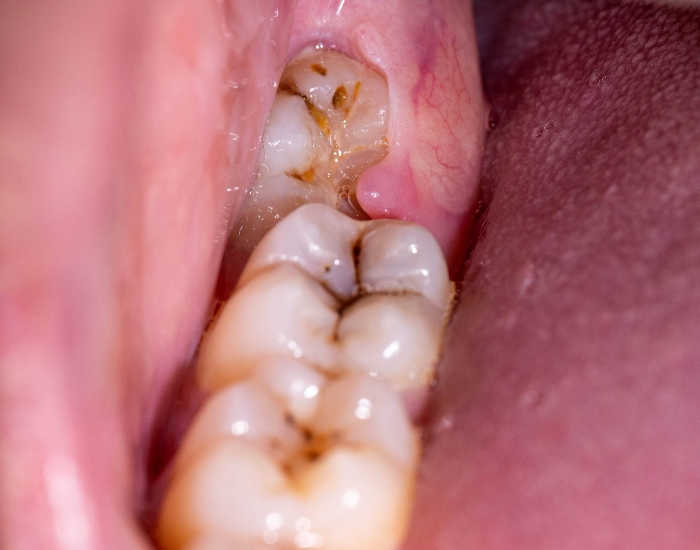
Sometimes, a wisdom tooth partially breaks through the gums, creating a flap of tissue that traps food and bacteria.
Pressure on Adjacent Teeth
A growing wisdom tooth can push against the second molars, potentially affecting bite alignment or causing discomfort while chewing.
Symptoms That Indicate Issues with Wisdom Teeth
Problems with wisdom teeth can appear suddenly or gradually. Patients should be aware of the following warning signs:
-
Pain or discomfort in the back of the mouth
-
Swollen, tender, or bleeding gums around the molar
-
Bad breath or unpleasant taste due to trapped food
-
Difficulty opening the mouth or chewing
-
Jaw pain or pressure
-
Crowding of neighboring teeth, including the lower molar chewing tooth
Not every discomfort indicates a serious problem, but persistent symptoms warrant evaluation. Visiting a walk-in dentist near me can help quickly identify the cause.
When to Seek Professional Dental Care
Patients should consider visiting a dentist if they notice:
-
Persistent or severe tooth pain
-
Swelling around the jaw or gums
-
Inability to eat comfortably
-
Signs of infection such as pus or fever
-
Difficulty cleaning the area, leading to repeated decay
Prompt care prevents infections, preserves surrounding teeth, and minimizes complications. Waiting too long can result in more complex dental procedures, including teeth pulled near me for problematic wisdom teeth.
Evaluation and Treatment Options for Wisdom Teeth
Dentists follow a structured approach to assess and manage wisdom teeth:
Clinical Examination
A dentist visually inspects the gums and teeth for signs of eruption, inflammation, or decay.
X-Rays and Imaging
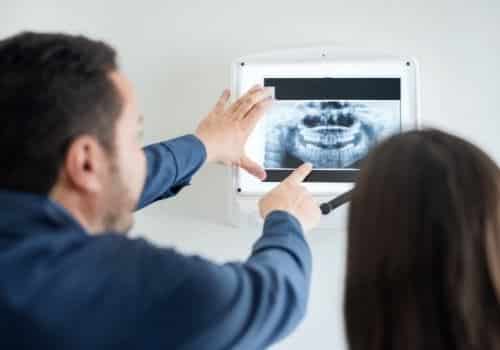
Panoramic X-rays or 3D scans show tooth position, bone density, and whether the wisdom tooth is impacted.
Treatment Options
-
Monitoring: If the wisdom tooth is healthy and properly aligned, regular observation may be recommended.
-
Extraction: Removal is often necessary when teeth are impacted, misaligned, or causing pain.
-
Oral Surgery: Complex extractions are performed under anesthesia to ensure safety and minimize discomfort.
-
Pain Management: Over-the-counter medications or dentist-prescribed options can manage symptoms before treatment.
Extraction of wisdom teeth is common and usually performed safely at walk-in dental clinics that handle teeth pulled near me cases.
Risks of Impacted Wisdom Teeth
Leaving impacted wisdom teeth untreated can lead to:
-
Infection or abscess formation
-
Decay in adjacent teeth
-
Gum disease
-
Cysts or tumors in rare cases
-
Misalignment of other molars, including the lower molar chewing tooth
Early evaluation and treatment reduce these risks significantly.
Prevention and Oral Care Tips
Maintaining healthy wisdom teeth involves consistent oral hygiene and preventive habits:
Brush and Floss Carefully
Cleaning the back molars can be challenging, but brushing twice daily and flossing around the third molars reduces plaque buildup.
Rinse with Antibacterial Mouthwash
Mouthwash helps control bacteria around partially erupted teeth.
Avoid Hard Foods
Chewing ice, hard candies, or popcorn kernels can stress third molars and adjacent teeth.
Regular Dental Checkups
Routine visits allow dentists to monitor eruption, alignment, and signs of decay.
Seek Early Evaluation for Pain
Even mild discomfort should prompt a check, especially if symptoms persist. Early care avoids major procedures later.
Key Takeaways
Wisdom teeth, or third molars, are important for understanding overall oral health:
-
They usually appear in late adolescence or early adulthood
-
Not all wisdom teeth cause problems, but many can become impacted or misaligned
-
Symptoms include pain, swelling, bad breath, and difficulty chewing
-
Modern dentistry provides multiple treatment options, from monitoring to extraction
-
Early evaluation preserves neighboring teeth, including the lower molar chewing tooth, and prevents complications
Where to Seek Professional Help
Patients in the Katy, Texas area can consider visiting:
Walk-In Dental Clinic – Katy, TX
Services include:
-
Emergency dental care for painful or infected wisdom teeth
-
Same-day evaluation for urgent cases
-
Extraction services, including teeth pulled near me
-
Advice on preventive care and managing partially erupted molars
Professional dental care ensures safe, effective treatment and protects overall oral health.
FAQs About Wisdom Tooth Third Molar
1. Do all wisdom teeth need to be removed?
Not always. If the teeth are healthy, aligned, and don’t cause symptoms, monitoring may be sufficient.
2. When should a wisdom tooth be removed?
Extraction is recommended for impacted teeth, persistent pain, repeated infections, or crowding of other teeth.
3. Is wisdom tooth removal painful?
Local anesthesia ensures the procedure is comfortable. Post-procedure soreness is normal and manageable.
4. Can wisdom teeth affect other molars?
Yes. Pressure from erupting or impacted wisdom teeth can affect the lower molar chewing tooth and bite alignment.
5. How can I prevent problems with wisdom teeth?
Regular dental checkups, proper oral hygiene, and early evaluation of pain or swelling help prevent complications.
Final Thoughts
Wisdom teeth, or third molars, can be a source of discomfort or remain perfectly healthy. Recognizing the signs of trouble, maintaining good oral hygiene, and consulting a dentist promptly ensures a healthy mouth, prevents infections, and protects other molars, including the lower molar chewing tooth. Visiting a reputable walk-in dentist near me allows timely assessment and treatment, keeping your smile functional and pain-free.
Disclaimer: This content is for educational purposes only and is not a substitute for professional medical advice. Always consult a licensed dentist for evaluation and treatment of any dental concerns.