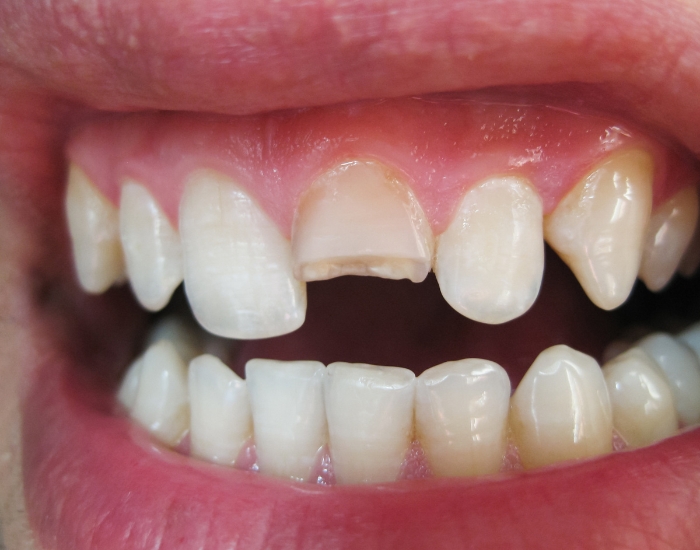

Teeth become sensitive when the protective enamel or gum tissue wears away and exposes dentin, the inner layer that carries signals to the nerve, so hot, cold, sweet or acidic foods trigger a sharp, brief pain. Worn enamel, gum recession, cavities and cracks are the usual causes; mild sensitivity often improves with a sensitivity toothpaste, but pain that lingers or keeps getting worse should be checked by a dentist.
Tooth sensitivity is one of the most common dental complaints. It can turn simple pleasures like a hot coffee, an ice cream cone or even brushing your teeth into an uncomfortable moment, and many people wonder, “Why are my teeth sensitive all of a sudden?”
Sensitivity is your tooth signaling that something is affecting the enamel or exposing the inner layers. Occasional mild sensitivity is common, but persistent discomfort should not be ignored. This guide explains why teeth become sensitive, how to tell harmless sensitivity from a problem that needs treatment, what you can do at home and how dentists treat and prevent it.
- Sensitivity happens when dentin, the layer under enamel, is exposed to hot, cold, sweet or acidic triggers.
- Common causes are worn enamel, gum recession, decay, cracks, whitening, recent dental work and gum disease.
- A soft brush, gentle technique and sensitivity toothpaste help mild cases.
- Pain that lingers, hurts when biting or comes with swelling needs a dental exam.
- Dentists can treat sensitivity with fluoride, desensitizers, bonding, gum treatment or root canal therapy.
What is tooth sensitivity?
Tooth sensitivity, also called dentin hypersensitivity, is a short, sharp pain that occurs when exposed dentin reacts to temperature, sweetness, acid or touch. Dentin sits underneath the enamel on the crown and underneath the gums on the root. It contains thousands of microscopic tubes that lead to the nerve inside the tooth, so when these tubes are exposed, a cold drink or a sugary snack can send a quick jolt of pain straight to the nerve.
Common symptoms of sensitive teeth include:
- Brief, sharp pain with hot or cold foods and drinks
- Discomfort when biting or chewing
- Pain triggered by sweet, acidic or very cold foods
- Sensitivity when breathing in cold air
- Sensitivity during brushing or flossing
The pain is usually brief and goes away once the trigger is removed. Finding the underlying cause is the key to both relief and long-term protection. Because enamel is the tooth’s first line of defense, our article on whether tooth enamel can be restored is a helpful companion read.
Why are my teeth sensitive? The most common causes
The most common reasons teeth are sensitive are worn enamel, gum recession and tooth decay, followed by cracked teeth, whitening products, recent dental work and gum disease. Here is how each one exposes the dentin:
- Worn enamel: aggressive brushing, acidic foods and drinks such as soda and citrus, acid reflux and teeth grinding gradually thin the enamel.
- Gum recession: gum disease, aging or brushing too hard can pull the gums back and expose root surfaces, which have no enamel at all.
- Tooth decay: cavities, even early ones, open a path to the dentin, and untreated decay can reach the pulp and cause severe pain and infection.
- Cracked or fractured teeth: even small cracks expose inner layers, so chewing or temperature changes cause sharp, on-and-off pain.
- Teeth whitening products: some whitening treatments cause temporary sensitivity that usually fades after treatment ends.
- Recent dental procedures: new fillings, crowns or cleanings may cause temporary sensitivity while the tooth settles.
- Gum disease: inflamed or infected gums can expose roots and make teeth hypersensitive.
Sensitivity in one tooth often points to a specific problem such as a cavity, crack or worn filling, while sensitivity across many teeth is more likely due to enamel wear, gum recession or whitening. For pain that is focused on a single tooth when you bite, read our guide to cracked tooth pain.
How can you tell normal sensitivity from a bigger problem?
Typical sensitivity is a quick twinge that fades within seconds of the trigger, while pain that lingers, throbs, wakes you up or comes with swelling suggests decay, a crack or an inflamed nerve. This comparison can help you judge what you are feeling:
- Usually simple sensitivity: brief zing with cold or sweets, several teeth affected, no swelling, improves with sensitivity toothpaste.
- Possibly a cavity or worn filling: sensitivity in one tooth that is getting worse, sometimes with a visible dark spot or rough edge.
- Possibly a cracked tooth: sharp pain when you bite down or release, especially on one side.
- Possibly an inflamed or infected nerve: pain that lingers long after the trigger, throbs on its own or wakes you at night.
If you are not sure, a dental exam is the quickest way to know. Pain that keeps you up at night is covered in more depth in our article on tooth nerve pain.
| What you feel | Likely meaning | What to do |
|---|---|---|
| Quick zing that fades in seconds | Exposed dentin from wear or recession | Sensitivity toothpaste, gentle brushing, mention it at your next visit |
| Pain in one tooth that is getting worse | Cavity, worn filling or crack | Book a dental exam soon |
| Sharp pain when biting | Possible cracked tooth | Avoid chewing on that side and be seen promptly |
| Lingering or throbbing pain, swelling | Inflamed or infected nerve | Same-day dental visit |
Sensitive tooth getting worse?
Walk-In Dental Clinic in Katy offers same-day visits 7 days a week. We find the cause of your sensitivity, explain your options and the cost, and help you get comfortable again.
How can you manage tooth sensitivity at home?
Mild sensitivity often improves with a soft-bristled brush, a gentle brushing technique, a toothpaste made for sensitive teeth and fewer acidic foods and drinks. Try these steps:
- Use a soft-bristled toothbrush to avoid wearing away more enamel and gum tissue.
- Brush gently in small circles rather than scrubbing back and forth.
- Use a toothpaste for sensitive teeth containing potassium nitrate or fluoride, and use it every day.
- Avoid acidic foods and drinks that erode enamel, or drink them with a meal and rinse with water afterward.
- Rinse with a fluoride mouthwash to help strengthen enamel.
- If you grind your teeth, ask your dentist about a night guard.
Sensitivity toothpaste usually needs regular use over a few weeks before you notice the full effect. Waiting about 30 minutes after acidic food or drink before brushing also helps, because enamel is temporarily softer right after an acid exposure. These measures can reduce discomfort, but they do not replace a professional evaluation if sensitivity persists.
When does tooth sensitivity need professional care?
See a dentist if sensitivity is severe or long-lasting, hurts when you bite, comes with swelling or does not improve after a few weeks of home care. Signs it is time for an exam include:
- Severe or prolonged pain
- Pain when biting or chewing
- Swelling, a bad taste or other signs of infection
- Visible cavities, cracks or damaged fillings and crowns
- Sensitivity that does not improve with home care
A dentist can identify the cause and recommend the right treatment. At Walk-In Dental Clinic in Katy we offer same-day and walk-in visits 7 days a week, so you do not have to wait weeks to find out what is going on.
What professional treatments help sensitive teeth?
Depending on the cause, a dentist may use fluoride, desensitizing agents, bonding or sealants, gum treatment or, for nerve infection, root canal therapy. Common treatments include:
- Fluoride treatments: in-office fluoride strengthens enamel and reduces sensitivity.
- Desensitizing agents: applied to sensitive areas to block the tiny tubes in the dentin.
- Dental bonding or sealants: cover exposed dentin, worn spots or small cracks; see our tooth-colored fillings page.
- Gum treatment or grafting: treats receded or diseased gums and protects exposed roots.
- Fillings or crowns: repair cavities and cracked teeth that are causing sensitivity.
- Root canal therapy: for severe sensitivity caused by an inflamed or infected pulp; learn more about root canal treatment.
Timely treatment usually resolves sensitivity and prevents complications. We explain the cause, your options and the cost before any treatment starts.
How can you prevent tooth sensitivity?
Protecting your enamel and gums with gentle daily care, fewer acids and regular checkups is the best long-term prevention for sensitive teeth. Helpful habits include:
- Brush twice a day with fluoride toothpaste and a soft brush
- Floss daily to prevent gum disease
- Avoid scrubbing or brushing too hard
- Limit acidic foods and drinks
- Wear a night guard if you grind your teeth
- Keep regular dental checkups and cleanings
Preventive care not only reduces sensitivity but also strengthens your teeth and supports lasting oral health. If a sensitive spot appears suddenly, have it checked early, when the fix is usually simple.
Same-Day Care Near Katy, Cypress & Fulshear
Walk-In Dental Clinic is located at 20919 Kingsland Blvd, Katy, TX 77450, just off I-10 with easy access from the Grand Parkway. We are open 7 days a week, including evenings, Saturdays and Sundays, and see same-day patients from Katy, Cinco Ranch, Fulshear, Cypress, Richmond, Sugar Land and the rest of Greater Houston. Call ahead and we can assess your symptoms by phone and be ready when you arrive.
Same-day dental care, 7 days a week
Tell us what is happening and we will get you in as soon as possible.
Frequently Asked Questions
Why are my teeth suddenly sensitive?
Sudden sensitivity is often caused by a new cavity, a cracked tooth, a recent whitening treatment, gum recession or a worn or broken filling. If it is limited to one tooth or getting worse, have it examined.
Is tooth sensitivity a sign of a cavity?
It can be. Decay that reaches the dentin often causes sensitivity to sweets or cold in one specific tooth. Sensitivity in many teeth is more often due to enamel wear or gum recession.
Does sensitivity toothpaste really work?
For many people it helps. Toothpastes with potassium nitrate or fluoride can reduce sensitivity when used every day for a few weeks. If it does not help, there may be a cavity or crack that needs treatment.
Can tooth sensitivity go away on its own?
Sensitivity after whitening or a new filling often fades over days to a few weeks. Sensitivity from decay, cracks or gum recession usually does not go away without treatment.
Why does my tooth hurt with cold but not hot?
Cold sensitivity is the most common type and usually means exposed dentin. Sensitivity to heat, especially pain that lingers, can mean the nerve is inflamed and should be checked promptly.
Is it normal to have sensitive teeth after a filling?
Mild sensitivity for a short time after a filling is common while the tooth settles. If it lasts more than a couple of weeks, gets worse or hurts when biting, call your dentist, since the bite may need adjusting.
Where can I get sensitive teeth checked near Katy or Cypress?
Walk-In Dental Clinic at 20919 Kingsland Blvd in Katy offers same-day and walk-in appointments 7 days a week. Call (713) 999-5328 before you come in so we can be ready for you.
Final Thoughts
Tooth sensitivity is common and often manageable. Temporary sensitivity may follow minor enamel wear, whitening or a recent dental visit, but persistent pain usually signals an underlying problem that needs attention. Identifying the cause, practicing gentle oral hygiene and getting a dental evaluation when needed will protect your teeth and help you enjoy hot and cold foods again. If you are in Katy, Cypress, Fulshear or elsewhere in Greater Houston, call Walk-In Dental Clinic at (713) 999-5328 or book online.
Further reading
- American Dental Association patient resource: MouthHealthy.org
- U.S. National Library of Medicine: MedlinePlus, Tooth Disorders
Medical disclaimer: This content is for informational purposes only and does not constitute medical or dental advice. Always consult a licensed dental professional about your own symptoms. In a medical emergency, call 911.