
Tooth pain while chewing is a common problem that can make eating uncomfortable and affect your daily life. Many people experience sudden sharp pain or a dull ache when biting down, and they often wonder if it is just a sensitivity issue or something more serious. Tooth pain while chewing can indicate a range of dental problems, from cavities and cracked teeth to infections and bite issues. Understanding the possible causes and treatment options can help you address the problem quickly and prevent further damage.
Table of Contents
- What Causes Tooth Pain When Chewing?
- Pain Biting Down Tooth: Common Reasons
- Cracked Tooth Chewing Pain Explained
- Tooth Pain Pressure Causes
- How Dentists Diagnose Chewing Pain
- Treatment Options for Tooth Pain When Chewing
- Home Care and Relief Tips
- When to Seek Urgent Dental Care
- Preventing Tooth Pain While Chewing
- FAQs
- Final Thoughts
1. What Causes Tooth Pain When Chewing?
Tooth pain when chewing can happen for many reasons, and the cause is often related to the structure of the tooth or the surrounding tissues. One of the most common causes is tooth decay or a cavity that weakens the tooth structure. When you bite down, the pressure can irritate the inner layers of the tooth, causing pain. Another common cause is a cracked or fractured tooth, which can create sharp pain when pressure is applied. Gum disease and infections around the tooth root can also lead to discomfort when chewing. Even bite problems or teeth grinding can cause pain due to excess pressure on specific teeth.
2. Pain Biting Down Tooth: Common Reasons
Pain when biting down on a tooth often means that the tooth is damaged or stressed. A cavity that has reached the dentin or pulp can cause pain, especially when chewing hard foods. A damaged filling or a loose restoration can also create pressure points that cause pain while biting. In some cases, a tooth may be infected or have an abscess, which increases pressure inside the tooth and leads to pain when chewing. Another possible reason is a tooth that is loose or moving slightly due to gum disease, which can cause discomfort when pressure is applied.
3. Cracked Tooth Chewing Pain Explained
A cracked tooth can be difficult to diagnose because the crack may not be visible. When you chew, the crack can open slightly, allowing pressure to reach the inner layers of the tooth and causing sharp pain. Sometimes the pain only happens when biting down and disappears quickly after releasing pressure. Cracked teeth can be caused by chewing hard foods, grinding teeth, or trauma. If left untreated, a cracked tooth can worsen and lead to infection or tooth loss.
4. Tooth Pain Pressure Causes
Tooth pain from pressure can be caused by inflammation or infection inside the tooth. When the tooth pulp becomes inflamed, the pressure inside the tooth increases, which can cause pain while chewing. This is often a sign that the tooth nerve is irritated or infected. Another pressure-related cause is an abscess, where pus builds up around the tooth root, creating pressure and swelling. Bite problems can also create uneven pressure, leading to pain in one specific tooth. Grinding or clenching teeth can worsen this pressure and lead to persistent discomfort.
5. How Dentists Diagnose Chewing Pain
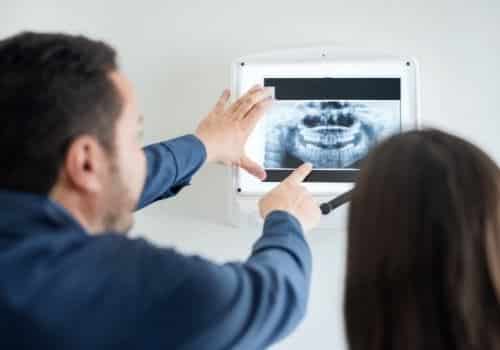
Diagnosing tooth pain while chewing begins with a dental exam and discussion of symptoms. A dentist will usually ask about the type of pain, when it occurs, and which tooth is affected. They may use dental X-rays to check for cavities, infections, or root problems. In some cases, the dentist may perform a bite test using special tools to identify cracks or pressure points. A dental professional may also evaluate the gums and bite alignment to check for gum disease or bite issues that could cause pain while chewing.
6. Treatment Options for Tooth Pain When Chewing
Treatment for tooth pain when chewing depends on the underlying cause. If the pain is caused by a cavity, the dentist will remove the decay and place a filling. If the tooth is cracked or damaged, a crown may be recommended to protect the tooth and restore its strength. For severe decay or infection, a root canal may be needed to remove the infected nerve and save the tooth. If the tooth is too damaged to repair, extraction may be necessary. If gum disease is causing the pain, deep cleaning and periodontal treatment may be needed. In cases of bite issues or grinding, a night guard or bite adjustment may help reduce pressure and pain.
7. Home Care and Relief Tips
While home care cannot replace dental treatment, it can help reduce pain temporarily. Rinsing with warm salt water can help reduce inflammation, while cold compresses can reduce swelling and numb the area. Avoid chewing on the affected side and stick to soft foods until you can see a dentist. Over-the-counter pain relievers may help, but they should only be used as a short-term solution. It is important to avoid hard or sticky foods that can worsen the damage or pain.
8. When to Seek Urgent Dental Care
You should seek urgent dental care if the pain is severe, worsening, or accompanied by swelling. If you notice a visible crack, a loose tooth, or pus near the tooth, seek emergency treatment. Pain that lasts more than a few days, or pain that keeps you from eating or sleeping, should also be evaluated promptly. These symptoms may indicate an infection or serious tooth damage that needs immediate care.
9. Preventing Tooth Pain While Chewing
Preventing tooth pain while chewing starts with good oral hygiene and healthy habits. Brush twice daily with fluoride toothpaste and floss daily to prevent cavities and gum disease. Avoid chewing hard foods like ice, hard candies, or popcorn kernels. If you grind or clench your teeth, wearing a night guard can help protect your teeth and reduce pressure. Regular dental checkups can help detect problems early before they cause pain while chewing.
10. FAQs
Q1: Why does my tooth hurt when I bite down?
A tooth may hurt when biting down due to cavities, cracked teeth, or infection that increases pressure inside the tooth.
Q2: Can a cracked tooth cause pain only when chewing?
Yes, a cracked tooth often causes sharp pain only during chewing, especially when the crack opens under pressure.
Q3: What does tooth pain from pressure feel like?
Tooth pain from pressure can feel like a deep ache or sharp pain when biting, often worsening over time.
Q4: How is tooth pain when chewing treated?
Treatment may include fillings, crowns, root canals, or extraction depending on the cause and severity.
Q5: Can a dental infection cause chewing pain?
Yes, a dental infection or abscess can cause pain while chewing due to pressure and inflammation around the tooth root.
11. Final Thoughts
Tooth pain while chewing is a sign that something is affecting the tooth or surrounding tissues. While it may start as a mild discomfort, it can quickly worsen if the underlying cause is not treated. Early diagnosis and treatment can prevent complications such as infection or tooth loss. If you experience persistent pain while chewing, it’s important to consult a dental professional for proper evaluation and care.
If you are experiencing tooth pain when chewing, schedule a visit with Walk-In Dental Clinic for a professional diagnosis and treatment plan.
Disclaimer: This blog is for informational purposes only and should not be considered medical advice. If you are experiencing severe pain or swelling, seek immediate dental or medical attention.