

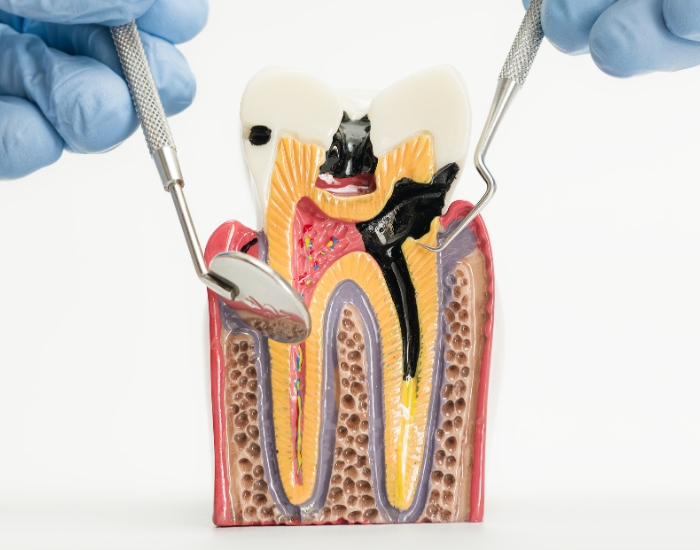
Tooth nerve pain is one of the most intense types of dental discomfort and can feel like a sharp, throbbing, or sudden shooting pain. This usually happens when the nerve inside the tooth becomes irritated, inflamed, or damaged. Because the tooth nerve connects to surrounding tissues, pain can spread to the jaw, ear, or even head. Understanding the reasons behind nerve-related tooth pain, recognizing the symptoms early, and knowing the right treatment options are essential for long-term relief and protecting your dental health.
Table of Contents
- What Is Tooth Nerve Pain?
- Common Causes of Tooth Nerve Pain
- Nerve Pain Tooth Symptoms to Watch For
- Inflamed Tooth Nerve: What It Means
- Tooth Nerve Damage Treatment Options
- Sharp Tooth Nerve Pain: Why It Happens
- Home Care for Tooth Nerve Pain
- When to See a Dentist
- Preventing Tooth Nerve Pain
- FAQs
- Final Thoughts
1. What Is Tooth Nerve Pain?
Tooth nerve ache refers to discomfort that originates from the nerve inside the tooth, also known as the dental pulp. The pulp contains blood vessels, nerves, and connective tissue. When it becomes irritated or infected, it sends pain signals to the brain. This type of pain can range from mild sensitivity to severe, constant pain that affects daily life. Dental nerve pain is often a sign that the tooth is damaged or infected and needs professional dental care.
2. Common Causes of Tooth Nerve Pain
Tooth nerve ache can happen for several reasons. The most common causes include:
2.1 Tooth Decay and Cavities
When a cavity reaches the inner layers of the tooth, bacteria can irritate the nerve, causing pain and sensitivity.
2.2 Cracked or Broken Teeth
A cracked tooth can expose the nerve or cause inflammation, leading to sharp pain, especially when chewing.
2.3 Dental Trauma
A blow to the mouth or an accident can damage the nerve, even if the tooth appears normal.
2.4 Gum Disease
Advanced gum disease can expose the tooth root and nerve, causing pain and sensitivity.
2.5 Repeated Dental Procedures
Multiple dental treatments on the same tooth can irritate the nerve and lead to inflammation or damage.
3. Nerve Pain Tooth Symptoms to Watch For
Recognizing nerve ache early can prevent severe damage. Common symptoms include:
- Sharp or throbbing pain in one tooth
- Sensitivity to hot or cold foods
- Pain that worsens when biting or chewing
- Swelling or tenderness around the tooth
- Pain that lasts long after the hot or cold stimulus is removed
- Pain that wakes you up at night
If you experience any of these signs, it’s important to consult a dentist as soon as possible.
4. Inflamed Tooth Nerve: What It Means
An inflamed tooth nerve occurs when the dental pulp becomes irritated due to infection, decay, or injury. This condition is often called pulpitis. In early stages (reversible pulpitis), the nerve can heal if treated promptly. However, if inflammation continues, it may progress to irreversible pulpitis, which requires more advanced treatment such as a root canal. Inflamed tooth nerves can cause severe sensitivity and long-lasting pain.
5. Tooth Nerve Damage Treatment Options
Treatment for tooth nerve damage depends on the severity of the condition. Common options include:
5.1 Dental Filling or Crown
If the nerve irritation is caused by a cavity or minor damage, a filling or crown may protect the tooth and prevent further nerve irritation.
5.2 Root Canal Treatment
If the nerve is severely inflamed or infected, a root canal may be needed. This procedure removes the infected nerve and seals the tooth to prevent further infection.
5.3 Tooth Extraction
If the tooth is badly damaged or cannot be saved, extraction may be the only option. After extraction, the dentist may recommend a dental implant or bridge to replace the missing tooth.
6. Sharp Tooth Nerve Pain: Why It Happens
Sharp Tooth pulp pain usually happens when the nerve is exposed or severely irritated. This can occur due to deep decay, a cracked tooth, or a severe infection. The pain often feels sudden and intense, especially when eating or drinking hot or cold foods. Sharp nerve pain is a warning sign that the tooth requires immediate dental attention to prevent further damage.
7. Home Care for Tooth Nerve Pain
While home care cannot replace professional dental treatment, it can help manage dental nerve pain temporarily until you can see a dentist. Simple steps like rinsing with warm saltwater can reduce inflammation and soothe the area. Applying a cold compress to the cheek may help reduce swelling and numb the pain. It’s also best to avoid very hot or cold foods, as extreme temperatures can trigger sharp nerve pain. Over-the-counter pain relievers can provide short-term relief, but they should be used only as directed. Continue to brush and floss gently to keep the area clean without causing further irritation. Remember, home care is only a temporary solution and should be followed by a dental visit to address the underlying cause.
8. When to See a Dentist
While home care cannot replace professional dental treatment, it can help manage dental nerve pain temporarily until you can see a dentist. Simple steps like rinsing with warm saltwater can reduce inflammation and soothe the area. Applying a cold compress to the cheek may help reduce swelling and numb the pain. It’s also best to avoid very hot or cold foods, as extreme temperatures can trigger sharp nerve pain. Over-the-counter pain relievers can provide short-term relief, but they should be used only as directed. Continue to brush and floss gently to keep the area clean without causing further irritation. Remember, home care is only a temporary solution and should be followed by a dental visit to address the underlying cause.
9. Preventing Tooth Nerve Pain
Preventing tooth nerve pain starts with consistent oral care and healthy habits. Brushing twice daily with fluoride toothpaste and flossing daily helps remove plaque and bacteria that can lead to cavities and infections. Limiting sugary foods and drinks can also reduce the risk of tooth decay, which is a common cause of nerve pain. Regular dental cleanings and checkups allow your dentist to detect problems early before they progress to nerve damage. If you grind your teeth, wearing a mouthguard can protect your teeth and reduce stress on the nerve. Additionally, protecting your teeth during sports activities can prevent injuries that may lead to nerve damage.
10. FAQs
Q1: What causes Tooth pulp pain after a filling?
Tooth nerve pain after a filling may occur due to irritation from the dental procedure, high bite, or deep decay near the nerve.
Q2: What are common nerve pain tooth symptoms?
Common symptoms include sharp pain, sensitivity to hot/cold, pain when biting, and pain that lingers after eating.
Q3: Can an inflamed tooth nerve heal on its own?
An inflamed tooth nerve may heal if treated early, but if inflammation continues, it often requires a root canal or other treatment.
Q4: What is the best tooth nerve damage treatment?
The best treatment depends on severity, but common options include root canal therapy, a dental crown, or extraction if the tooth cannot be saved.
Q5: Why does sharp tooth nerve pain happen suddenly?
Sharp dental nerve pain happens when the nerve is exposed or infected due to deep decay, a cracked tooth, or trauma.
11. Final Thoughts
Tooth nerve pain is a serious issue that should not be ignored. The pain often indicates that the nerve is inflamed or damaged and needs professional treatment. While home care can help manage symptoms, the underlying cause must be treated to prevent long-term damage. If you experience dental nerve pain, schedule a dental appointment to receive proper diagnosis and care.
If you are experiencing tooth nerve pain or severe tooth sensitivity, contact Walk-In Dental Clinic for a professional evaluation and treatment plan.
Disclaimer: This blog is for informational purposes only and should not be considered medical advice. If you are experiencing severe pain, swelling, or signs of infection, seek immediate dental or medical attention.