

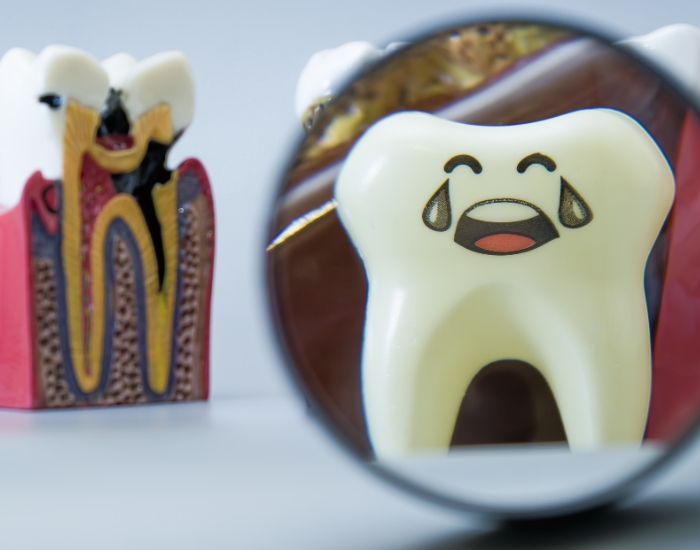
Tooth infection pain is a common dental issue that can quickly become serious if left untreated. An infection occurs when bacteria reach the inner part of the tooth, causing inflammation and pain that can spread to surrounding tissues. While some tooth infections start as mild sensitivity or discomfort, they can escalate into severe pain, swelling, and even systemic health risks. Recognizing the warning signs early and seeking proper dental care can prevent complications and help protect your oral health.
Table of Contents
- What Is a Tooth Infection?
- Common Tooth Infection Symptoms
- Tooth Infection Pain Signs to Watch For
- How Tooth Infection Develops
- Tooth Infection Treatment Options
- Dental Infection Complications
- Risks of Untreated Tooth Infection
- Preventing Tooth Infections
- FAQs
- Final Thoughts
1. What Is a Tooth Infection?
A tooth infection occurs when bacteria enter the tooth’s inner pulp, which contains nerves and blood vessels. This can happen through deep decay, cracks in the tooth, or trauma. Once bacteria reach the pulp, they can multiply and cause inflammation, leading to pain and swelling. A tooth infection may also spread to the surrounding bone and tissues if not treated promptly. In many cases, a tooth infection requires professional dental treatment such as a root canal or extraction.
2. Common Tooth Infection Symptoms
Recognizing tooth infection symptoms early can help prevent serious complications. Common symptoms include severe tooth pain that may be constant, sensitivity to hot or cold foods, swelling around the tooth or face, a bad taste or bad breath, fever in severe cases, tender or swollen lymph nodes, and difficulty chewing or biting. If you notice any of these symptoms, it’s important to seek dental care as soon as possible.
3. Tooth Infection Pain Signs to Watch For
Tooth infection pain often feels intense and may worsen over time. Typical signs include throbbing or sharp pain in one tooth, pain that worsens when lying down, pain that spreads to the jaw, ear, or head, pain that increases when chewing or biting, and a sudden increase in pain after a period of mild discomfort. These signs can indicate that the infection is reaching the tooth nerve or spreading to nearby tissues.
4. How Tooth Infection Develops
Tooth infection develops when bacteria enter the tooth through a cavity, crack, or injury. Once inside, the bacteria multiply and cause inflammation of the pulp. This inflammation increases pressure inside the tooth, leading to pain. Over time, the infection may spread to the root tip and surrounding bone, forming an abscess. The body may try to fight the infection, causing swelling and tenderness in the gums or face. Without treatment, the infection can spread further, leading to more serious complications.
5. Tooth Infection Treatment Options
Treatment for a tooth infection depends on the severity of the infection. Common dental treatment options include root canal treatment, tooth extraction, antibiotics, and drainage of an abscess. A root canal removes the infected pulp and seals the tooth to prevent further infection, which can save the tooth and relieve pain. If the tooth is too damaged or the infection is severe, extraction may be necessary, and the dentist may recommend a dental implant or bridge to replace the missing tooth. Antibiotics may be prescribed to control the infection, especially if it has spread or if there is significant swelling. However, antibiotics alone do not cure the infection and should be used along with dental treatment. If an abscess has formed, the dentist may need to drain it to relieve pressure and reduce pain.
6. Dental Infection Complications
If a tooth infection is not treated promptly, it can lead to serious complications. These may include the spread of infection to the jawbone, development of a dental abscess, damage to surrounding teeth, spread of infection to the sinuses, and an increased risk of systemic infection. In rare cases, untreated dental infections can spread to the bloodstream and become life-threatening, which is why early treatment is essential.
7. Risks of Untreated Tooth Infection
Untreated tooth infection can lead to more severe pain, swelling, and infection spread. Over time, the infection may cause bone loss around the tooth, tooth loss, and damage to surrounding tissues. Additionally, the infection can spread to the jaw, sinuses, or even the bloodstream, leading to serious health risks. It’s important not to ignore tooth infection symptoms, even if the pain seems to improve temporarily.
8. Preventing Tooth Infections
Preventing tooth infections starts with good oral hygiene and regular dental care. Helpful tips include:
- Brush twice daily with fluoride toothpaste
- Floss daily to remove plaque
- Limit sugary foods and drinks
- Visit the dentist for regular checkups
- Treat cavities early before they reach the pulp
- Wear a mouthguard during sports to prevent injuries
9. FAQs
Q1: What are common tooth infection symptoms?
Common symptoms include severe tooth pain, swelling, sensitivity, bad taste, and fever.
Q2: What are tooth infection pain signs?
Signs include throbbing pain, pain that worsens when lying down, and pain spreading to the jaw or ear.
Q3: What is the best tooth infection treatment?
The best treatment depends on severity, but commonly includes root canal therapy, extraction, and antibiotics.
Q4: What are dental infection complications?
Complications may include abscess formation, jawbone infection, sinus infection, and spread of infection to other body parts.
Q5: What happens if an untreated tooth infection spreads?
An untreated infection can spread to surrounding tissues, cause tooth loss, and in rare cases, become life-threatening if it reaches the bloodstream.
10. Final Thoughts
Tooth infection pain is a serious condition that requires prompt dental treatment. Early diagnosis and treatment can prevent complications, relieve pain, and save the tooth. If you experience symptoms of a tooth infection, schedule a visit with Walk-In Dental Clinic for professional care and treatment.
Disclaimer: This blog is for informational purposes only and should not be considered medical advice. If you are experiencing severe pain, swelling, or signs of infection, seek immediate dental or medical attention.