

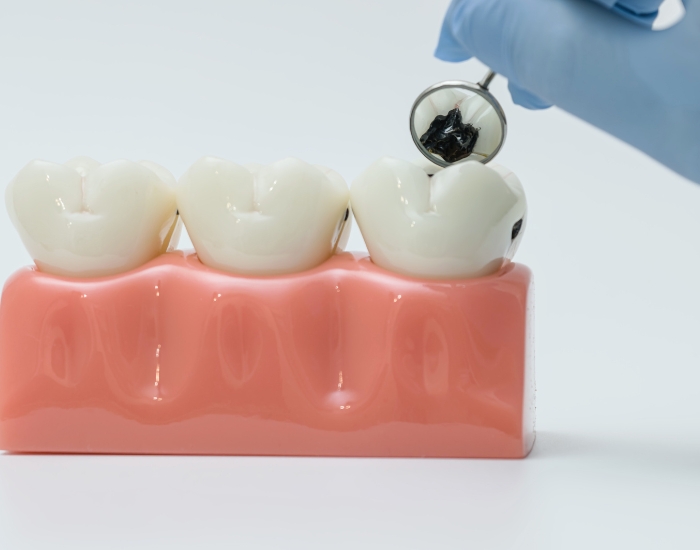
Tooth decay is one of the most common dental problems worldwide, and it can cause pain at different stages as the cavity progresses. Many people assume tooth decay only affects the tooth surface, but as the decay reaches deeper layers, the pain can become sharp, persistent, and even affect daily life. Understanding how cavities develop, the stages of decay, and how pain signals the severity of the condition can help you take action early and protect your long-term oral health.
Table of Contents
- What Is Tooth Decay Pain?
- Common Tooth Decay Symptoms
- Tooth Decay Pain Stages
- How Cavities Cause Pain
- Tooth Decay Treatment Options
- Signs of Advanced Decay
- Preventing Tooth Decay Pain
- FAQs
- Final Thoughts
1. What Is Tooth Decay Pain?
Tooth decay pain refers to discomfort caused by the gradual breakdown of tooth enamel and dentin due to bacteria and acid buildup. As cavities grow, they expose the deeper parts of the tooth, including the sensitive nerve tissue. This can cause pain ranging from mild sensitivity to sharp, intense discomfort. Tooth decay pain often signals that the cavity has reached a more advanced stage and needs professional treatment to prevent further damage.
2. Common Tooth Decay Symptoms
Tooth decay symptoms can vary depending on how far the cavity has progressed. Early decay may not cause any noticeable pain, but common signs include visible holes or pits in the tooth, white or brown spots, and sensitivity to hot or cold foods. As the cavity worsens, you may notice persistent toothache, pain when biting, bad breath, or a bad taste in the mouth. Early detection is important because decay can progress quickly once it reaches the inner layers of the tooth.
3. Tooth Decay Pain Stages
Tooth decay pain typically develops in stages as the cavity grows deeper. In the early stage, the decay affects only the enamel, and pain may be minimal or absent. When the decay reaches the dentin layer beneath the enamel, sensitivity to hot, cold, or sweet foods becomes more noticeable. In advanced stages, the decay reaches the tooth pulp, causing sharp pain, throbbing discomfort, and sometimes swelling. At this point, the tooth may be infected, and prompt treatment is necessary to prevent more serious complications.
4. How Cavities Cause Pain
Cavities cause pain because the decay weakens the tooth structure and exposes the sensitive inner layers. The enamel is the tooth’s protective barrier, and once it is compromised, bacteria can reach the dentin and pulp. The pulp contains nerves and blood vessels, so when it becomes inflamed or infected, pain signals are triggered. This is why tooth decay pain often becomes more intense when the cavity reaches deeper layers. In addition, pressure from biting or chewing can irritate the weakened tooth and increase discomfort.
5. Tooth Decay Treatment Options
Treatment for tooth decay depends on the severity of the cavity. For early decay, fluoride treatments and improved oral hygiene may help stop or reverse the damage. For more advanced decay, a dental filling is often used to remove the decayed tissue and restore the tooth. If the decay reaches the pulp, a root canal may be necessary to remove the infected nerve and save the tooth. In severe cases where the tooth is too damaged, extraction may be the only option. Your dentist will recommend the most appropriate treatment based on the condition of the tooth.
6. Signs of Advanced Decay
Advanced decay is often accompanied by more noticeable symptoms. These signs may include persistent pain that does not go away, severe sensitivity, swelling or tenderness in the gums, dark spots or visible holes, and pain when biting or chewing. In some cases, an abscess may form, leading to swelling of the face or jaw and a bad taste in the mouth. Advanced decay can lead to infection and tooth loss if left untreated, so it is important to seek dental care promptly.
7. Preventing Tooth Decay Pain
Preventing tooth decay pain starts with good daily oral care. Brushing twice daily with fluoride toothpaste, flossing daily, and limiting sugary snacks and drinks can help reduce the risk of cavities. Regular dental checkups and cleanings allow your dentist to detect decay early and treat it before it becomes painful. Using a fluoride mouthwash and drinking water after meals can also help neutralize acids and protect enamel. Maintaining consistent oral hygiene habits is the best way to prevent decay and avoid tooth pain.
8. FAQs
Q1: What does early tooth decay feel like?
Early decay may cause mild sensitivity to hot, cold, or sweet foods, but may not cause noticeable pain.
Q2: Can a cavity cause sharp pain when biting?
Yes, a cavity that reaches deeper layers can cause sharp pain when biting or chewing.
Q3: What happens if tooth decay reaches the nerve?
If decay reaches the nerve, it can cause intense pain, infection, and may require a root canal.
Q4: How is tooth decay pain treated?
Treatment can include fillings, fluoride therapy, root canal, or extraction depending on the severity.
Q5: What are signs of advanced tooth decay?
Signs include persistent pain, swelling, visible holes, dark spots, and bad taste or bad breath.
9. Final Thoughts
Tooth decay pain often starts as mild sensitivity but can become severe if the cavity reaches the inner layers of the tooth. Early detection and treatment are essential to prevent infection and tooth loss. Maintaining good oral hygiene and regular dental visits can help you avoid cavities and protect your teeth in the long term.
If you are experiencing tooth decay pain or suspect a cavity, schedule a visit with Walk-In Dental Clinic for a professional evaluation and treatment plan.
Disclaimer: This blog is for informational purposes only and should not be considered medical advice. If you are experiencing severe pain or swelling, seek immediate dental or medical attention.