
An impacted canine tooth is a dental condition that can affect both oral health and smile appearance if left untreated. Canine teeth play a crucial role in biting, chewing, and guiding proper tooth alignment. When one or both canine teeth fail to erupt into their correct position, it may lead to pain, infection, or long-term orthodontic issues. Understanding the symptoms, causes, and available treatment options can help patients seek timely care and prevent complications.
Table of Contents
- What Is an Impacted Canine Tooth?
- Common Impacted Canine Symptoms
- Why a Canine Tooth Becomes Impacted?
- Pain and Complications Associated With Impacted Canines
- Impacted Canine Treatment Options
- When Dental Surgery May Be Required
- FAQs About Impacted Canine Teeth
- Final Thoughts
1. What Is an Impacted Canine Tooth?
An impacted canine tooth occurs when a canine tooth does not erupt properly through the gums and remains partially or fully trapped in the jawbone. Canine teeth, also known as cuspids, are positioned between the incisors and premolars and are essential for maintaining a balanced bite.
Impacted canines are most commonly seen in the upper jaw and often develop during adolescence. In many cases, the tooth is present but blocked by other teeth, dense bone, or insufficient space in the dental arch. Without proper treatment, an impacted canine can interfere with neighboring teeth and overall oral health.
2. Common Impacted Canine Symptoms
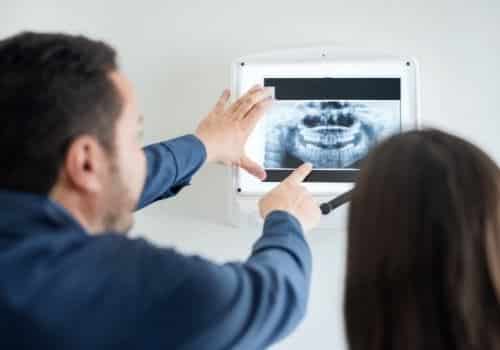
Some individuals may not notice immediate signs of an impacted canine tooth, while others experience increasing discomfort as the condition progresses. One of the most common indicators is the delayed eruption of a permanent canine tooth or the complete absence of a canine long after other adult teeth have emerged. Patients may also notice swelling, tenderness, or sensitivity in the surrounding gum tissue. As the impacted tooth applies pressure beneath the surface, discomfort or a dull ache in the upper jaw can develop. In some cases, nearby teeth may begin to shift or crowd as the impacted canine disrupts proper alignment. Often, impacted canines are detected during routine dental X-rays before obvious symptoms appear, making early diagnosis essential for preventing more complex dental complications.
3. Why a Canine Tooth Becomes Impacted?
An impacted canine tooth can develop due to several underlying factors that interfere with its normal eruption path. One of the most common impacted canine causes is overcrowding, where insufficient space in the dental arch prevents the tooth from emerging properly. Abnormal positioning of the tooth during development may also cause it to grow at an angle, leading to impaction. In some cases, extra teeth or retained baby teeth block the eruption pathway, forcing the canine to remain trapped beneath the gums. Genetic factors can influence jaw size and tooth alignment, increasing the likelihood of impaction. Additionally, dense jawbone tissue may restrict natural tooth movement, further complicating eruption. Early orthodontic evaluations play a key role in identifying these risk factors before they lead to pain or long-term dental issues.
4. Pain and Complications Associated With Impacted Canines
Although some impacted canine teeth remain painless for extended periods, others can cause noticeable discomfort and oral health concerns. Impacted canine tooth pain often presents as persistent pressure, aching, or tenderness in the gums and jaw area. This discomfort may intensify if the impacted tooth presses against nearby teeth or irritates surrounding nerves. Over time, an untreated impacted canine can lead to complications such as damage to adjacent tooth roots, ongoing gum inflammation, or localized infections. In certain cases, cysts may form around the impacted tooth, increasing the risk of bone damage. Bite misalignment and uneven tooth wear may also occur as surrounding teeth shift to compensate. Ignoring these symptoms can increase the likelihood of more severe dental problems that require complex and invasive treatment.
5. Impacted Canine Treatment Options
Treatment for an impacted canine depends on the patient’s age, tooth position, and overall oral health. Impacted canine treatment often involves a combination of orthodontic and surgical care.
Common treatment approaches include:
- Monitoring for mild cases with no symptoms
- Orthodontic space creation to guide eruption
- Exposure and bonding, where the tooth is surgically uncovered and guided into place
- Extraction, if the tooth cannot be safely repositioned
Dentists and orthodontists work together to determine the most effective treatment plan based on imaging and clinical evaluation.
6. When Dental Surgery May Be Required
Impacted canine dental surgery may be necessary when the tooth is deeply embedded in the jawbone or positioned at an angle that prevents natural eruption. Surgical treatment typically involves exposing the tooth and attaching an orthodontic bracket to guide it into alignment.
Dental surgery may be recommended when:
- The impacted tooth is causing pain or infection
- There is a risk of damage to adjacent teeth
- Orthodontic treatment alone is insufficient
- Cysts or other complications are present
Advances in dental imaging and surgical techniques allow these procedures to be performed safely with predictable outcomes.
7. FAQs About Impacted Canine Teeth
1. What are the early signs of an impacted canine tooth?
Early signs include delayed eruption, missing adult canine teeth, and mild gum swelling in the affected area.
2. Can an impacted canine cause tooth pain even if it’s under the gums?
Yes, impacted canine tooth pain can occur due to pressure on surrounding teeth or nerves, even if the tooth has not erupted.
3. Is impacted canine treatment always surgical?
Not always. Mild cases may be managed with orthodontic monitoring, but more complex cases often require surgical exposure.
4. What happens if an impacted canine is left untreated?
Untreated impacted canines may cause tooth misalignment, root damage, infections, or cyst formation over time.
5. At what age should impacted canines be evaluated?
Dental evaluations during early adolescence are ideal, as early detection improves treatment success.
8. Final Thoughts
An impacted canine tooth is a common dental issue that can affect both function and appearance if left unaddressed. While some cases remain asymptomatic, others lead to pain, infection, or orthodontic complications. Early diagnosis, proper imaging, and individualized treatment planning are essential for protecting long-term oral health. Understanding the symptoms, causes, and treatment options empowers patients to seek timely professional care and avoid unnecessary complications.
If you or your child may have an impacted canine tooth, a professional dental evaluation can help determine the best course of action. Walk-In Dental Clinic offers comprehensive assessments and treatment planning to address complex dental concerns with patient-focused care.
Disclaimer: This blog is intended for informational purposes only and should not be used as a substitute for professional dental advice, diagnosis, or treatment. Always consult a qualified dental professional regarding any oral health concerns.