

If you’ve ever felt a sharp, throbbing pain near your eye or upper lip and wondered, “Why does this one tooth hurt so badly?”—there’s a good chance the problem is your canine (cuspid) tooth.
Canine tooth infections are not ordinary toothaches. These teeth sit deep in the jaw, close to major facial nerves and the sinus cavity, which is why pain can feel intense, spreading, and impossible to ignore. When an infection takes hold, it can escalate quickly—turning discomfort into a true dental emergency.
That’s when visiting a walk-in emergency dental clinic in Katy becomes essential.
What Makes the Canine (Cuspid) Tooth So Different?
Your canine teeth—often called eye teeth—are the pointed teeth at the corners of your smile. They’re built for strength and guidance, helping your jaw move smoothly and your bite stay balanced.
What most people don’t realize is that canines have the longest roots in the entire mouth. That deep root anchors the tooth firmly—but it also means that when infection reaches the nerve, the pain can be deep, relentless, and overwhelming.
Why Canine Tooth Infections Hurt More Than Other Teeth
Patients often describe canine tooth pain as:
-
Sharp and stabbing
-
Throbbing and constant
-
Radiating toward the eye, nose, or temple
-
Worse at night or when biting down
This happens because:
-
The tooth’s long root allows infection to travel deeper
-
Nearby facial nerves amplify pain signals
-
Upper canine teeth sit close to the sinus cavity
-
Everyday chewing puts pressure on an already inflamed tooth
In short, canine tooth infections don’t whisper—they scream.
Warning Signs You Shouldn’t Ignore
A canine (cuspid) tooth infection rarely appears overnight. And we always look for teeth pulled near me for asap care. In most cases, your body sends clear warning signals long before the pain becomes unbearable. The problem is that many people brush these signs off—until the discomfort suddenly escalates into an emergency.
Pay close attention if you notice any of the following symptoms:
-
Persistent tooth pain that doesn’t fade or keeps coming back
-
Lingering sensitivity to hot or cold foods and drinks
-
Swollen, red, or tender gums around the canine tooth
-
Facial swelling near the upper lip, cheek, or side of the nose
-
Pain that radiates toward the eye or nasal area
-
A bad taste in the mouth or visible pus, often a sign of infection
-
Sharp pain when chewing, biting, or touching the tooth
-
Fever, fatigue, or a general run-down feeling, which may indicate the infection is spreading
If any of these symptoms feel familiar, don’t wait it out. Acting early can prevent serious complications, reduce pain faster, and often save the tooth.
What Causes a Canine Tooth Infection?
A canine tooth infection usually starts with a small dental problem that goes untreated. Because canine teeth have deep roots and are exposed to constant biting pressure, even minor damage can allow bacteria to reach the inner nerve of the tooth. Once that happens, infection can spread quickly—bringing intense pain and swelling with it.
Common causes of canine tooth infections include:
-
A deep cavity that has reached the tooth’s nerve
-
A cracked or fractured canine tooth, even if the crack isn’t visible
-
Gum recession that exposes the sensitive root surface
-
Teeth grinding or clenching, which weakens the tooth over time
-
Trauma or injury to the mouth, such as a fall or sports impact and we look for dental e r near me
-
Impacted or partially erupted canines that trap bacteria under the gum
-
Delaying dental treatment, allowing bacteria to spread deeper
What may start as a mild ache or sensitivity can quickly become a serious infection once bacteria reach the nerve—making early treatment essential.
When Canine Tooth Pain Becomes a Dental Emergency
Not all tooth pain requires urgent care—but canine tooth pain is different. Because these teeth are deeply rooted and located near important facial structures, infections can worsen quickly and without much warning. When pain crosses a certain threshold, waiting it out can do more harm than good.
You should seek emergency dental care in Katy right away if you experience any of the following:
-
Severe tooth pain that continues despite over-the-counter pain medication may signal the need for urgent dental treatment, prompting many patients to look for a dentist offering tooth pulled near me.
-
Swelling that spreads to the face, upper lip, cheek, or eye area
-
Difficulty chewing, biting, or opening your mouth comfortably
-
Pain that wakes you up at night or won’t let you rest
-
Visible signs of infection or an abscess, such as pus, redness, or warmth
Ignoring a canine (cuspid) tooth infection can lead to bone loss, abscess formation, or infection spreading beyond the tooth—including into the jaw or sinus area. Prompt emergency care can relieve pain, stop the infection, and protect your overall health. Even you may search for dentists open on sunday near me for immediate care.
How a Walk-In Dental Clinic in Katy Can Help—Fast
One of the biggest advantages of a walk-in dental clinic is immediate care—no waiting days while pain gets worse.
Emergency treatment may include:
-
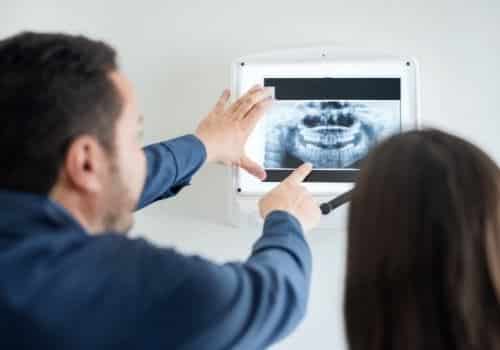
Same-day dental exam and digital X-rays
-
Antibiotics to control infection
-
Root canal treatment to save the tooth
-
Drainage of an abscess
-
Crown placement after treatment
-
Tooth extraction only if absolutely necessary
Early care often means relief within hours, not days.
Why Walk-In Emergency Dental Care Matters in Katy
When pain strikes, convenience matters—but so does expertise. A walk-in dental clinic in Katy, the emergency dentist in Houston, offers:
-
Same-day emergency visits
-
Quick pain relief
-
No long appointment delays
-
Treatment for infections, swelling, and abscesses
-
Compassionate care when you need it most
Whether your pain started suddenly or has been building quietly, walk-in care can stop it from getting worse.
Don’t Tough It Out—Canine Tooth Infections Need Attention
A canine (cuspid) tooth infection isn’t something to “wait and see.” Because of where these teeth sit and how deeply they’re rooted, infections can progress fast and cause serious discomfort.
If you’re dealing with sharp pain, swelling, or pressure near your eye or face, getting help from a walk-in emergency dental clinic in Katy could make all the difference—relieving pain, protecting your health, and possibly saving your tooth.