
Experiencing pain or discomfort in a bicuspid premolar can leave patients unsure about their next steps. Some people assume it’s a minor cavity that will resolve on its own, while others notice swelling, pressure, or alignment issues that affect chewing. Deciding whether to wait for a regular appointment or visit a walk-in clinic can be stressful. Understanding the reasons for a bicuspid premolar tooth extraction, what to expect during treatment, and how to care for the mouth afterward can help patients make informed choices with confidence.
Table of Contents
- What Is a Bicuspid Premolar Tooth?
- Common Reasons for Extraction
- Symptoms That Signal a Need for Care
- When to Seek Professional Dental Care
- Evaluation and Extraction Procedure
- Recovery After Bicuspid Premolar Extraction
- Prevention and Oral Care Tips
- Key Takeaways
- Where to Seek Professional Help
- FAQs About Bicuspid Premolar Tooth Extraction
- Final Thoughts
What Is a Bicuspid Premolar Tooth?
A bicuspid premolar is a tooth located between the canine (eye) tooth and the molars. Each quadrant of the mouth typically has two bicuspid premolars, making a total of eight in adults.
Premolars have a dual function:
- Assisting the canines in tearing food
- Supporting molars in grinding and chewing
Because of their position, bicuspid premolars play a key role in proper bite alignment and overall chewing efficiency. Problems affecting these teeth can impact other back teeth, including the lower molar chewing tooth, and may lead to misalignment or discomfort if not addressed promptly.
Common Reasons for Extraction
Several dental issues may necessitate the removal of a bicuspid premolar:
Severe Tooth Decay
Extensive cavities that cannot be restored with fillings or crowns often require extraction.
Advanced Gum Disease
Periodontal disease can weaken the supporting structures of the tooth, making preservation impossible.
Orthodontic Treatment
Some patients need bicuspid premolars removed to create space for teeth alignment during braces treatment.
Trauma or Fracture
Accidents that fracture a premolar beyond repair often result in extraction.
Infection or Abscess
Untreated infections can spread to surrounding tissues, making removal the safest option.
Symptoms That Signal a Need for Care
Patients should seek professional evaluation if they notice:
- Persistent toothache or pressure in the premolar area
- Swelling of the gums or jaw
- Sensitivity to hot, cold, or sweet foods
- Difficulty chewing or speaking comfortably
- Visible fractures, cracks, or discoloration in the tooth
- Loose teeth affecting bite
Early intervention can prevent complications and reduce the need for more extensive procedures.
When to Seek Professional Dental Care
Patients should consider visiting a dentist immediately if they experience:
- Severe or worsening pain
- Swelling or pus around the tooth
- Inability to chew or open the mouth comfortably
- Signs of infection such as fever or bad taste in the mouth
- Pre-existing orthodontic concerns requiring extraction
Timely care at a walk-in dentist near me clinic ensures proper diagnosis and treatment, minimizing complications.
Evaluation and Extraction Procedure
Dentists follow a step-by-step approach for a bicuspid premolar tooth extraction:
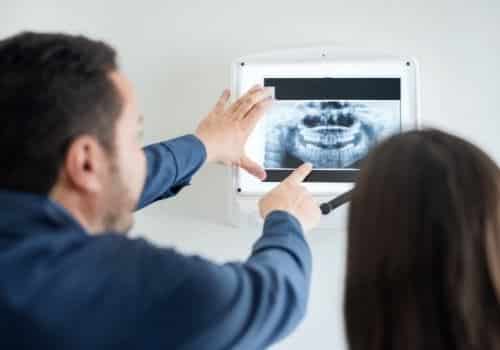
Examination and Imaging
A thorough examination and X-rays help determine the tooth’s condition, root structure, and relation to neighboring teeth.
Local Anesthesia
The area around the bicuspid premolar is numbed to ensure the procedure is comfortable.
Tooth Removal
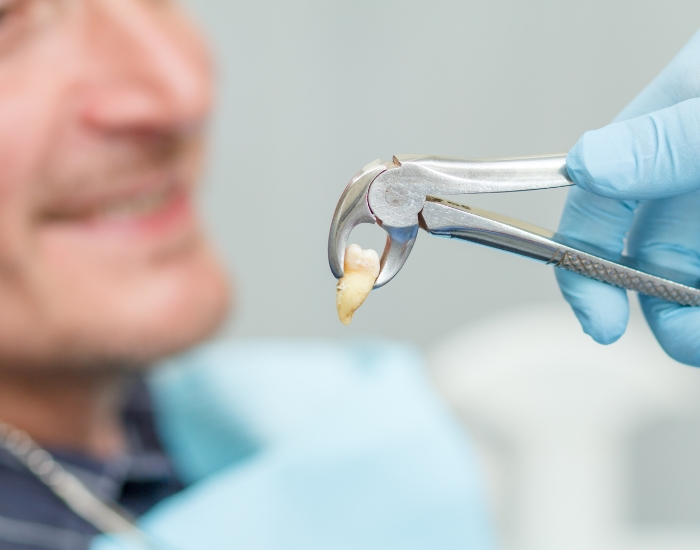
For simple extractions, the dentist gently loosens the tooth and removes it. Surgical extractions may be necessary for teeth with multiple roots or impacted positions.
Post-Extraction Care
After removal, patients receive guidance on bite pressure, oral hygiene, and managing swelling or discomfort.
From early evaluation to expert wisdom teeth removal, get the advanced care you need to relieve discomfort, prevent complications, and protect your long-term oral health with confidence.
Recovery After Bicuspid Premolar Extraction
Proper care after a premolar extraction is essential:
Immediate Care
- Bite gently on gauze to control bleeding
- Avoid rinsing or spitting forcefully for the first 24 hours
- Apply ice packs to reduce swelling
Eating and Drinking
- Stick to soft foods for the first few days
- Avoid hot, spicy, or crunchy foods that could irritate the extraction site
Oral Hygiene
- Brush teeth carefully, avoiding the extraction area initially
- Rinse gently with saltwater after 24 hours to promote healing
Follow-Up
- Attend any scheduled check-ups to ensure proper healing
- Watch for unusual swelling, bleeding, or signs of infection
Prevention and Oral Care Tips
Maintaining healthy bicuspid premolars reduces the likelihood of extraction:
Brush and Floss Regularly
Twice-daily brushing with fluoride toothpaste and daily flossing help remove plaque and prevent cavities.
Regular Dental Visits
Routine check-ups allow dentists to catch decay, gum disease, or structural issues early.
Protect Teeth During Sports
Use mouthguards to prevent trauma to premolars and other teeth.
Avoid Hard or Sticky Foods
Ice, hard candy, and sticky snacks increase the risk of fractures and decay.
Key Takeaways
Bicuspid premolars are essential for:
- Chewing and biting efficiency
- Supporting molars in grinding food
- Maintaining proper bite and jaw alignment
Problems that may require extraction include:
- Severe decay
- Trauma or fractures
- Gum disease
- Infection or abscess
- Orthodontic space needs
Modern dentistry offers safe and effective extraction techniques with careful post-care guidance. Early evaluation and preventive care preserve oral health and reduce complications.
Where to Seek Professional Help
Patients in the Katy, Texas area can consider visiting:
Walk-In Dental Clinic – Katy, TX
Services include:
- Emergency dental care for severe tooth pain
- Same-day evaluation for urgent cases
- Tooth extraction, including teeth pulled near me
- Post-extraction guidance and follow-up care
- Advice on protecting other teeth, including the lower molar chewing tooth
Prompt professional care helps prevent infections and ensures safe recovery.
FAQs About Bicuspid Premolar Tooth Extraction
1. Is bicuspid premolar extraction painful?
Local anesthesia minimizes discomfort during the procedure. Post-procedure soreness is manageable with prescribed or over-the-counter pain relief.
2. How long does it take to recover?
Most patients heal within 1–2 weeks, though full gum healing may take longer depending on complexity.
3. Can premolars be saved instead of extracted?
In some cases, fillings, crowns, or root canals can preserve the tooth. Extraction is recommended only when preservation isn’t feasible.
4. Are extractions necessary for orthodontic treatment?
Sometimes bicuspid premolars are removed to create space for braces or proper alignment of other teeth.
5. How can I reduce risk of extraction?
Maintain oral hygiene, schedule regular dental checkups, protect teeth from trauma, and treat cavities or gum issues early.
Final Thoughts
A bicuspid premolar tooth extraction may feel daunting, but understanding the reasons for removal, what to expect during the procedure, and how to care for the extraction site can ease patient anxiety. Timely intervention preserves surrounding teeth, including the lower molar chewing tooth, prevents infections, and supports long-term oral health. Visiting a trusted walk in dentist near me ensures professional care and a smooth recovery process.
Disclaimer: This content is for educational purposes only and does not replace professional medical advice. Always consult a licensed dentist for evaluation and treatment of any dental concerns.