
A sharp or dull ache in the back of the mouth can turn simple actions like enjoying a meal or having a conversation into a frustrating experience. Sometimes the pain seems to come from a place you can’t even see, making it hard to know what’s wrong. It’s easy to feel anxious or unsure—wondering if it’s just temporary sensitivity or something that needs professional attention.
More often than not, this type of discomfort stems from the upper molar back tooth. These teeth take the brunt of chewing forces every day, which makes them particularly susceptible to cavities, cracks, and infections. Recognizing the signs early and knowing how dental professionals approach treatment can prevent unnecessary discomfort and protect long-term oral health.
Table of Contents
- What Is an Upper Molar Back Tooth?
- Why Upper Molars Are Vital for Oral Health
- Common Causes of Upper Molar Back Tooth Pain
- Signs You Should See a Dentist Quickly
- Diagnostic Steps for Upper Molar Back Tooth Issues
- Treatment Options for Upper Molar Back Tooth Pain
- Prevention Tips for Healthy Upper Molars
- Frequently Asked Questions
- Final Thoughts
What Is an Upper Molar Back Tooth?
The upper molar back tooth is one of the larger teeth located in the upper jaw toward the back of the mouth. Adults usually have three upper molars on each side:
-
First molar
-
Second molar
-
Third molar (wisdom tooth)
These teeth have broad, flat surfaces with multiple cusps, designed for grinding and chewing food efficiently.
Even though they are less visible than front teeth, upper molars play a key role in:
-
Breaking down food for proper digestion
-
Maintaining the height and alignment of your bite
-
Supporting jaw strength
-
Protecting surrounding teeth from extra pressure
Damage or discomfort in an upper molar back tooth can affect both eating and overall oral health.
Why Upper Molars Are So Important
Upper molars do more than chew food—they help shape your smile and maintain oral structure.
-
Bite stability: Healthy upper molars prevent uneven wear on front teeth.
-
Jaw support: Strong molars protect against jaw pain and TMJ issues.
-
Speech clarity: Proper molar alignment contributes to clear pronunciation.
-
Facial structure: Missing molars can cause subtle changes in facial shape over time.
Because these teeth handle the heaviest chewing forces, even small cavities or cracks can quickly lead to discomfort or infection.
Common Causes of Upper Molar Back Tooth Pain
1. Tooth Decay
Molars are prone to cavities due to grooves and pits on their surfaces. Symptoms may include:
-
Sensitivity to hot, cold, or sweet foods
-
Pain while chewing
-
Dark spots or holes visible on the tooth
2. Cracked or Fractured Tooth
Chewing hard foods or accidental trauma can crack a molar. Even small fractures can trigger:
-
Sharp, sudden pain while biting
-
Lingering discomfort on one side of the mouth
3. Gum Disease
Inflamed gums around an upper molar back tooth may lead to:
-
Swelling and tenderness
-
Bleeding when brushing
-
Loosened teeth
4. Infection or Abscess
Infections often cause severe pain, swelling, and even fever. Patients sometimes search for teeth pulled near me if pain escalates, but prompt dental care can often save the tooth.
5. Impacted Wisdom Teeth
Third molars, also known as wisdom teeth, can push against adjacent teeth and trigger pain. If this occurs, a dental professional may recommend wisdom teeth removal.
Signs You Should See a Dentist Quickly
Seek dental evaluation if you notice:
-
Severe or persistent pain
-
Swelling of the gums or face
-
Difficulty chewing or opening the mouth
-
Pus or unusual taste in the mouth
-
Tooth mobility
A walk-in dentist near me is often the best option for sudden upper molar back tooth pain, especially if the discomfort is interfering with daily life.
Diagnostic Steps for Upper Molar Back Tooth Issues
Dentists use several methods to pinpoint the source of upper molar pain:
-
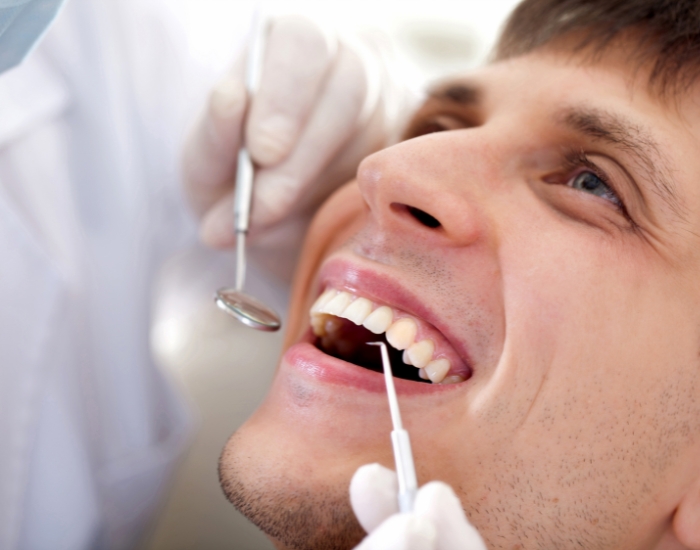
Visual inspection of the tooth and gums
-
Tapping tests to identify nerve sensitivity
-
Temperature testing
-
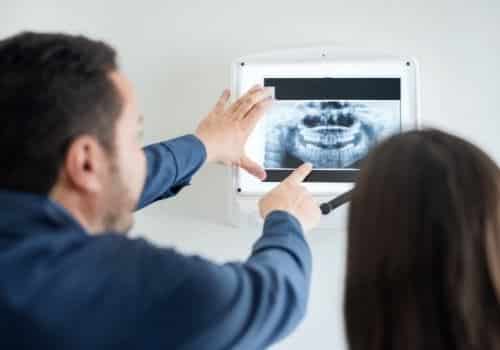
Digital X-rays to detect decay, fractures, or infection
-
Bite analysis to check alignment and pressure points
Accurate diagnosis ensures the correct treatment plan for long-term dental health.
Treatment Options for Upper Molar Back Tooth Pain
Treatment depends on the underlying cause:
Cavities
-
Removal of decayed tissue
-
Tooth-colored or metal filling
-
Possible crown placement for large cavities
Cracks or Fractures
-
Dental crown to protect and restore function
-
Monitoring minor cracks if asymptomatic
Infection or Abscess
-
Root canal therapy to remove infected tissue
-
Antibiotics if infection spreads
-
Crown placement to restore strength
Impacted Wisdom Teeth
-
Wisdom teeth removal may be recommended if the molar back tooth pain is caused by pressure or infection
-
Post-surgical care ensures healing and prevents further issues
Prevention Tips for Healthy Upper Molars
Maintaining upper molars reduces the risk of pain and complications:
-
Brush and floss daily, especially along the gum line
-
Avoid chewing very hard foods or ice
-
Use a mouthguard during sports
-
Schedule regular dental cleanings
-
Monitor for early signs of sensitivity or cracks
Preventive care allows for early detection and simpler, less invasive treatment.
Frequently Asked Questions
1. Can upper molar back tooth pain go away on its own?
Mild sensitivity may improve temporarily, but persistent pain usually indicates a problem that requires dental evaluation.
2. Are upper molars more likely to get cavities than front teeth?
Yes. Their grooves and broader chewing surfaces make them more prone to trapped food and bacteria.
3. When is wisdom teeth removal necessary?
If third molars are impacted, causing pain, swelling, or infection, wisdom teeth removal is often recommended.
4. Is it common to search for teeth pulled near me for back tooth pain?
Some patients consider extraction if pain is severe. Early evaluation often allows the tooth to be treated and preserved.
5. Can bite issues cause upper molar back tooth pain?
Yes. Uneven pressure on molars can lead to chronic discomfort and require dental correction.
Final Thoughts on Upper Molar Back Tooth Health
Pain in an upper molar back tooth can start small but quickly affect chewing, speaking, and overall comfort. Early evaluation by a dental professional ensures accurate diagnosis and effective treatment, helping preserve natural teeth and prevent long-term complications.
By recognizing symptoms, maintaining preventive care, and seeking timely treatment, patients can protect these essential teeth and maintain a healthy, functional smile.
Medical Disclaimer: This content is for educational purposes only and is not a substitute for professional dental advice, diagnosis, or treatment. Anyone experiencing persistent tooth pain, swelling, or other oral health issues should seek evaluation from a licensed dental professional.