
A dull ache in the middle of the mouth can be surprisingly confusing. It is not quite in the front like a visible chip, and it is not as far back as wisdom teeth. Chewing feels uncomfortable on one side. Cold drinks cause a quick zing of sensitivity. Many people hesitate at this point, wondering if the pain will fade on its own or if it signals something more serious. This type of discomfort is often related to premolar bicuspid tooth pain. Because premolars sit between the front teeth and molars, pain in this area can feel harder to pinpoint. Understanding what causes premolar bicuspid tooth pain and how it is treated can make the next steps clearer and less stressful.
Table of Contents
- What Is Premolar Bicuspid Tooth Pain?
- Why Premolars Are So Important
- Common Causes of Premolar Bicuspid Tooth Pain
- Symptoms That Should Not Be Ignored
- When to Seek Immediate Dental Care
- How Dentists Diagnose Premolar Bicuspid Tooth Pain
- Treatment Options for Premolar Bicuspid Tooth Pain
- Prevention Tips to Reduce Risk
- Frequently Asked Questions
- Final Thoughts
What Is Premolar Bicuspid Tooth Pain?
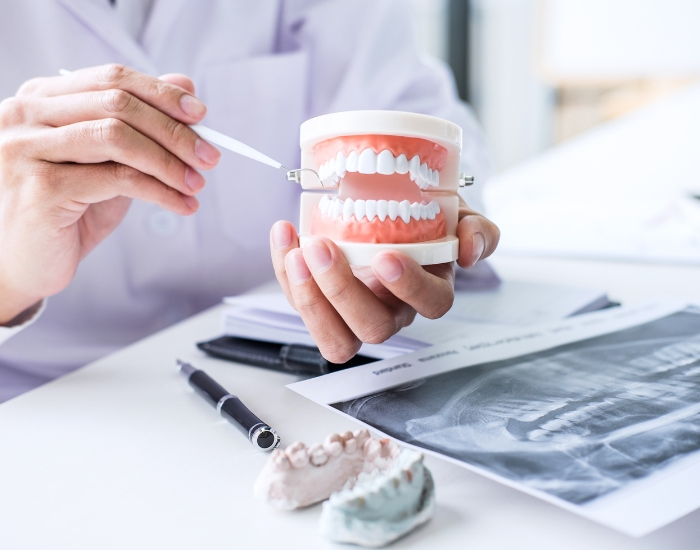
Premolar bicuspid tooth pain refers to discomfort originating from one of the premolars, also known as bicuspids. Adults typically have eight premolars, four on the top and four on the bottom, located between the canines and molars.
Premolars serve a dual function:
-
Tearing food like front teeth
-
Grinding food like molars
Because of this mixed role, they handle significant chewing pressure. When something disrupts their structure, inflammation or nerve irritation can develop, resulting in premolar bicuspid tooth pain.
Why Premolars Play a Critical Role in Oral Health
Premolars help maintain:
-
Proper bite alignment
-
Even distribution of chewing force
-
Structural support for neighboring teeth
-
Jaw stability
If premolar bicuspid tooth pain causes someone to chew only on one side, it may lead to uneven wear, muscle tension, and even jaw discomfort over time.
These teeth also anchor orthodontic movement and often serve as key support for dental restorations. Their health directly influences long-term oral stability.
Common Causes of Premolar Bicuspid Tooth Pain
Several conditions can trigger premolar bicuspid tooth pain. Identifying the source is essential for proper treatment.
1. Tooth Decay
Cavities are one of the most common causes. Premolars have grooves that can trap food and bacteria.
Symptoms may include:
-
Sensitivity to sweets
-
Pain when biting
-
Visible dark spots
-
Lingering discomfort after cold drinks
2. Cracked Tooth
Premolars endure strong chewing forces. A small crack may not be visible but can cause sharp premolar bicuspid tooth pain when chewing.
3. Gum Disease
Inflamed or infected gum tissue around a premolar can create:
-
Throbbing pain
-
Swelling
-
Bleeding when brushing
-
Tooth looseness
4. Abscess or Infection
If bacteria reach the inner pulp, infection can develop. This may lead to:
-
Severe, persistent pain
-
Facial swelling
-
Sensitivity to pressure
-
Fever in more advanced cases
In such situations, searching for a walk-in dentist near me is often the right step to avoid worsening complications.
5. Bite Misalignment
An uneven bite can place excessive pressure on one premolar, leading to chronic premolar bicuspid tooth pain.
6. Orthodontic Movement
Braces or aligners can temporarily cause soreness in premolars as they shift position.
Symptoms That Should Not Be Ignored
Not all dental sensitivity is urgent. However, certain signs suggest the need for prompt evaluation.
Seek professional care if premolar bicuspid tooth pain is accompanied by:
-
Swelling in the gums or face
-
Pain that lasts more than a few days
-
Difficulty chewing
-
Pus or unusual taste in the mouth
-
Fever
Unlike general medical concerns, dental pain requires evaluation by a dentist rather than a primary care provider.
When Premolar Bicuspid Tooth Pain May Lead to Extraction
Most premolars can be saved with early treatment. However, in advanced cases of severe decay, fracture, or infection, extraction may be considered.
Some patients search for teeth pulled near me when pain becomes overwhelming. While removal can relieve infection or damage, preserving the natural tooth is typically the priority whenever possible.
Premolar extraction is different from wisdom teeth removal, which involves third molars at the back of the mouth. Treatment decisions depend on the specific tooth involved and its condition.
How Dentists Diagnose Premolar Bicuspid Tooth Pain
A dental evaluation usually includes:
-
Visual examination
-
Gentle tapping to test sensitivity
-
Temperature testing
-
Digital X-rays to assess root and bone health
-
Bite assessment
This thorough approach helps determine whether premolar tooth pain stems from decay, fracture, infection, or bite imbalance.
Early diagnosis often means simpler treatment and quicker relief.
Treatment Options for Premolar Bicuspid Tooth Pain
The appropriate treatment depends on the underlying cause.
Cavities
-
Removal of decay
-
Tooth-colored filling
Cracks
-
Dental crown to protect structure
-
Monitoring if the crack is minor
Infection
-
Root canal therapy to remove infected pulp
-
Crown placement for strength
Gum-Related Pain
-
Professional deep cleaning
-
Improved oral hygiene practices
-
Periodontal therapy if necessary
Severe Structural Damage
-
Extraction if the tooth cannot be restored
-
Replacement planning such as implant or bridge
Addressing premolar bicuspid tooth pain promptly helps prevent spread of infection and protects surrounding teeth.
Preventing Premolar Bicuspid Tooth Pain
Preventive care significantly lowers the risk of premolar tooth pain.
Daily and routine habits include:
-
Brushing twice daily with fluoride toothpaste
-
Flossing to remove plaque between teeth
-
Avoiding chewing hard objects
-
Wearing a nightguard if grinding occurs
-
Attending regular dental cleanings
Early intervention remains the most effective way to avoid complex procedures.
Frequently Asked Questions
1. Can premolar tooth pain go away on its own?
Mild sensitivity may improve temporarily, but persistent pain usually indicates an underlying issue that requires professional evaluation.
2. Is premolar tooth pain an emergency?
It can be if accompanied by swelling, severe pain, or signs of infection. Immediate dental care is recommended in those cases.
3. Why does premolar tooth pain hurt more when chewing?
Chewing pressure can irritate inflamed nerves, expose cracks, or compress infected tissue, intensifying discomfort.
4. Can stress cause premolar tooth pain?
Stress may lead to grinding or clenching, placing excess pressure on premolars and contributing to soreness.
5. Is extraction common for premolar bicuspid tooth pain?
Extraction is generally considered a last resort. Most premolars can be restored with timely treatment.
Final Thoughts
Premolar toothache often begins subtly but can quickly disrupt daily life. Because these teeth handle significant chewing force, even small issues can escalate if left untreated.
Prompt evaluation by a dental professional provides clarity, relief, and protection for long-term oral health. Many causes of Premolar toothache are manageable with early care, helping preserve natural teeth and prevent future complications.
Medical Disclaimer: This article is for educational purposes only and does not substitute professional dental advice, diagnosis, or treatment. Anyone experiencing persistent dental pain, swelling, or other oral health concerns should seek evaluation from a licensed dental professional.