
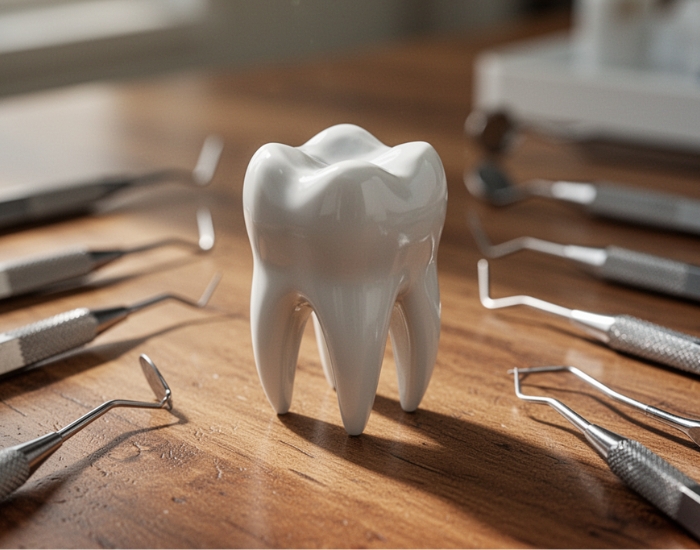
The second molar tooth is one of the important chewing teeth located toward the back of the mouth. These teeth play a vital role in grinding food and maintaining proper bite alignment.
Second molars typically erupt between the ages of 11 and 13 years, after the first permanent molars and before wisdom teeth. Because they appear during early adolescence, many patients do not realize that these teeth are permanent and must last a lifetime.
Second molars are positioned behind the first molars and just in front of the wisdom teeth. Their large chewing surfaces allow them to break down food efficiently before swallowing.
However, because of their location deep in the mouth, second molars can sometimes be difficult to clean properly, which increases the risk of cavities and gum problems.
Many patients search online for questions such as:
- What is the second molar tooth?
- Why does my back molar hurt when chewing?
- Can a damaged molar be repaired?
- What causes cavities in molars?
Understanding the structure, function, and possible problems associated with second molars can help patients recognize symptoms early and seek proper dental care.
Table of Contents
- What Is the Second Molar Tooth?
- Why the Second Molar Matters
- Common Problems Affecting the Second Molar
- Symptoms Patients May Experience
- Causes and Risk Factors
- Treatment Options Dentists May Recommend
- When to Seek Professional Dental Care
- Prevention and Oral Care Tips
- Key Takeaways
- Where to Seek Professional Help
What Is the Second Molar Tooth?
The second molars are large teeth located toward the back of the mouth. Adults usually have four second molars, one in each quadrant of the mouth.
These teeth erupt during early teenage years and are responsible for:
- grinding food during chewing
- supporting proper bite alignment
- helping distribute chewing pressure across the jaw
- maintaining stability of the dental arch
Second molars have broad surfaces with multiple cusps that allow them to crush and grind food efficiently. Because they are located at the back of the mouth, they also help stabilize the surrounding teeth and support overall oral function.
Why the Second Molar Matters
Although these teeth are not visible when smiling, they play a very important role in daily oral function.
Chewing Efficiency
Second molars are among the primary teeth used to grind food before swallowing. Without healthy molars, chewing can become difficult.
Bite Alignment
These teeth help maintain proper alignment between the upper and lower jaws. A healthy bite depends on the correct positioning of molars.
Jaw Stability
Second molars help distribute chewing forces across the jaw, reducing strain on other teeth.
Support for Wisdom Teeth
Second molars also influence the eruption pattern of wisdom teeth located behind them.
Because of these functions, dentists consider second molars essential for long-term dental stability and chewing efficiency.
Common Problems Affecting the Second Molar
Several dental conditions may affect second molars due to their location in the mouth.
Tooth Decay
Cavities are the most common issue affecting second molars. The deep grooves on their chewing surface can trap food particles and bacteria.
Gum Disease
Plaque buildup around the molars can lead to inflammation of the gums and periodontal disease.
Tooth Fractures
Molars can crack or fracture when chewing hard foods such as ice, nuts, or hard candy.
Tooth Sensitivity
Enamel wear or exposed dentin may cause sensitivity to hot, cold, or sweet foods.
Impacted Wisdom Teeth Pressure
Sometimes wisdom teeth growing behind second molars can push against them, causing discomfort or alignment problems.
Because these teeth are located far back in the mouth, dental problems may develop without immediate noticeable symptoms.
Symptoms Patients May Experience
Patients experiencing problems with second molars may notice symptoms such as:
- tooth pain while chewing
- sensitivity to hot or cold foods
- swelling or redness around the gums
- persistent bad breath
- visible dark spots or cavities
- food getting trapped between molars
- jaw discomfort during biting
In some cases, symptoms may appear gradually. Regular dental checkups help identify problems before they become severe.
If symptoms persist, a dental evaluation is recommended.
Causes and Risk Factors
Several factors may contribute to problems involving second molars.
Poor Oral Hygiene
Inadequate brushing and flossing allow plaque and bacteria to accumulate on molar surfaces.
Deep Grooves in Molars
Molars naturally have pits and fissures where food particles can become trapped.
Sugary or Acidic Diet
Frequent consumption of sugary snacks and drinks increases the risk of cavities.
Teeth Grinding (Bruxism)
Grinding teeth during sleep can gradually wear down molar surfaces.
Difficulty Reaching Back Teeth
Because second molars are located far back in the mouth, they may not be brushed thoroughly.
Understanding these risk factors helps dentists recommend preventive strategies and appropriate treatment.
Early dental care can help prevent complications and protect these important teeth.
Treatment Options Dentists May Recommend
Treatment for second molar problems depends on the severity of the condition.
Dental Fillings
If cavities develop, dentists may restore the tooth using tooth-colored fillings.
Dental Sealants
Sealants are protective coatings applied to molars to prevent cavities by sealing deep grooves.
Root Canal Treatment
If infection reaches the pulp inside the tooth, root canal therapy may be necessary to save the tooth.
Dental Crowns
A crown may be placed over a damaged molar to restore its strength and function.
Orthodontic Treatment
If molars contribute to bite alignment issues, braces or clear aligners may be recommended.
Tooth Extraction
In rare cases where the molar is severely damaged or infected, extraction may be required.
A dentist will evaluate the condition and recommend the most appropriate treatment option.
Early treatment often helps preserve the tooth and maintain proper chewing function.
When Patients Should Seek Professional Dental Care
Patients should consider visiting a dentist if they experience:
- persistent molar pain
- swelling or bleeding gums
- difficulty chewing food
- tooth sensitivity
- visible cavities
- cracked or broken molars
Prompt dental care helps prevent complications and protects long-term oral health. Early treatment can reduce the need for complex dental procedures.
When persistent back tooth pain has you searching for a dependable walk-in dentist near me, choose a trusted dental team that provides fast evaluation, immediate relief, and comprehensive care without the stress of long wait times.
Prevention and Oral Care Tips
Maintaining healthy second molars requires consistent oral hygiene and preventive dental care. Brushing your teeth twice daily with fluoride toothpaste helps remove plaque and strengthen enamel. Because molars contain deep grooves that trap food particles, it is especially important to brush the back teeth thoroughly. Daily flossing helps remove debris between teeth where toothbrush bristles cannot reach. Limiting sugary foods and acidic beverages can significantly reduce the risk of cavities. Regular dental checkups allow dentists to detect early signs of decay, gum disease, or enamel damage before they become serious problems. Dentists may also recommend dental sealants to protect molars from cavities. Consistent oral hygiene habits play a major role in protecting molars and maintaining long-term dental health.
If severe infection or advanced decay has you urgently looking for safe and comfortable teeth pulled near me, rely on experienced professionals who prioritize gentle treatment and a smooth recovery process.
Key Takeaways
The second molar tooth plays a critical role in chewing, bite alignment, and overall dental stability.
Common problems affecting second molars include:
- cavities
- gum disease
- tooth fractures
- sensitivity
- alignment issues
Fortunately, modern dentistry offers several treatment options including fillings, sealants, crowns, orthodontics, and root canal therapy. Maintaining good oral hygiene and seeking early dental care helps protect these important teeth and preserve oral health.
When pressure behind your molars signals the need for expert wisdom teeth removal, timely care can relieve discomfort, protect neighboring teeth, and restore balance to your bite.
Where to Seek Professional Help
If you are experiencing severe tooth pain, cavities, or problems affecting your molar teeth, it is important to consult a dental professional as soon as possible.
Patients in the Katy, Texas area can consider visiting:
Walk-In Dental Clinic – Katy, TX
The clinic provides:
- emergency dental care
- walk-in dental visits
- treatment for severe tooth pain
- tooth extraction services
- same-day dental evaluation
Seeking professional dental care early can help prevent complications and restore oral health quickly.
Frequently Asked Questions
What is the second molar tooth?
The second molar is a permanent tooth located behind the first molar and in front of the wisdom tooth. It helps grind food during chewing.
Why does my second molar hurt when chewing?
Pain may be caused by cavities, cracks, gum infection, or pressure from wisdom teeth.
Can a second molar be repaired?
Yes. Dentists may treat damaged molars with fillings, crowns, or root canal therapy depending on the condition.
What happens if a second molar is removed?
Removing a second molar may affect chewing efficiency and bite alignment.
When should I see a dentist for molar pain?
If you experience persistent pain, swelling, sensitivity, or difficulty chewing, you should seek dental care promptly.
Final Thoughts
The second molar tooth may not be visible when you smile, but it plays a powerful role in your daily comfort, chewing efficiency, and overall bite stability. Because these teeth erupt during adolescence and must function for decades, protecting them early is essential for long-term oral health.
Due to their deep grooves and back position in the mouth, second molars are more vulnerable to cavities, gum problems, and pressure from wisdom teeth. Even mild discomfort while chewing can signal an underlying issue that deserves attention.
With early diagnosis, modern dental treatments can restore strength, relieve pain, and preserve proper bite alignment. If you notice persistent molar pain, sensitivity, or swelling, seeking professional care promptly can help prevent complications and maintain a healthy, fully functional smile for years to come.
Disclaimer: This article is for educational purposes only and is not intended to replace professional medical or dental advice. Patients experiencing dental pain or oral health concerns should consult a qualified dentist or healthcare provider for proper diagnosis and treatment.