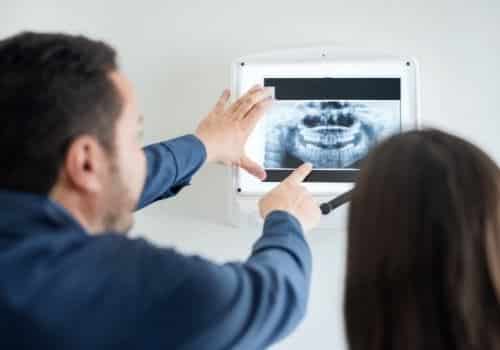


Understanding the Hidden Connection Between Dental Pain and Head Pressure
Headaches are incredibly common. Most people blame stress, dehydration, lack of sleep, or too much screen time. However, sometimes the true cause is much closer than you think—inside your mouth.
If you have been dealing with persistent headaches along with tooth pain, jaw discomfort, or facial pressure, a tooth infection may be the underlying cause. Many people are surprised to learn how closely the teeth, nerves, and sinuses are connected. When one structure becomes inflamed or infected, the pain can radiate and feel like it is coming from somewhere else entirely.
Let’s explore how a tooth infection can trigger headaches, what symptoms to watch for, and when to seek professional care.
What Is a Tooth Infection?
A tooth infection, often called a dental abscess, occurs when bacteria invade the inner pulp of a tooth. The pulp contains nerves, blood vessels, and connective tissue. Once bacteria reach this area, inflammation and pus can build up, creating pressure inside the tooth.
Tooth infections commonly develop due to:
-
Untreated cavities
-
Cracked or chipped teeth
-
Deep tooth decay
-
Gum disease
-
Trauma to the tooth
If left untreated, the infection does not simply disappear. Instead, it can worsen and begin affecting surrounding tissues, nerves, and even nearby anatomical structures such as the sinuses.
How Can a Tooth Infection Cause a Headache?
The connection between a tooth infection and a headache is rooted in anatomy. The teeth, jaw, sinuses, and head share nerve pathways and structural proximity.
1. The Trigeminal Nerve Connection
One of the main reasons tooth infections cause headaches is the trigeminal nerve. This large nerve is responsible for sensation in your face, jaw, teeth, and parts of your scalp.
When a tooth becomes infected:
-
The nerve endings inside the tooth become irritated.
-
Inflammation sends pain signals along the trigeminal nerve.
-
The brain may interpret this pain as a headache instead of localized tooth pain.
This phenomenon is called referred pain. The pain originates in one location but is felt in another.
As a result, you may experience:
-
Pain in the temples
-
Throbbing on one side of the head
-
Pressure behind the eyes
-
Pain that radiates from the jaw to the forehead
Because headaches are so common, people often overlook a dental origin.
2. Upper Tooth Infections and Sinus Pressure
The roots of upper back teeth sit very close to the maxillary sinuses. In some individuals, the roots even extend near or into the sinus cavity.
When an upper molar becomes infected:
-
Inflammation can irritate the sinus lining.
-
Sinus pressure may develop.
-
Headaches can occur, especially in the forehead and cheeks.
This type of pain often feels like a sinus infection. You may notice:
-
Facial heaviness
-
Pain when bending forward
-
Tenderness around the eyes
-
Nasal congestion without typical cold symptoms
In some cases, patients are treated for sinus issues before discovering that the real problem is dental.
3. Jaw Tension and Muscle Strain
Dental pain can also lead to unconscious jaw clenching or teeth grinding. When a tooth hurts, your body may react by tightening the surrounding muscles.
Chronic tension in the jaw muscles can trigger:
-
Tension headaches
-
Neck stiffness
-
Pain at the back of the head
-
Shoulder tightness
This muscular strain can amplify headache intensity and make the discomfort feel widespread rather than localized.
4. Inflammation and Systemic Response
An active infection triggers the body’s immune response. Inflammation can increase throughout nearby tissues. As swelling and pressure build, discomfort may spread beyond the tooth itself.
In more advanced infections, additional symptoms may include:
-
Fever
-
Fatigue
-
Swollen lymph nodes
-
Facial swelling
When infection progresses, headaches may become more persistent and severe.
How to Tell If Your Headache Is Dental-Related
Not all headaches stem from tooth infections. However, certain signs suggest a dental cause.
Consider a tooth infection if you experience:
-
Ongoing tooth sensitivity to hot or cold
-
Pain when chewing
-
Swollen or bleeding gums
-
A bad taste in your mouth
-
Facial swelling
-
A headache that worsens when lying down
-
Head pain that does not improve with common pain relievers
If your headache consistently occurs alongside tooth discomfort, the two may be connected.
Can a Tooth Infection Become Dangerous?
While many dental infections remain localized initially, they should never be ignored. Without treatment, bacteria can spread to surrounding tissues, jawbone, or even deeper facial spaces.
In rare but serious cases, infection can lead to complications affecting the sinuses or other nearby structures.
Seek immediate medical attention if you notice:
-
Rapid facial swelling
-
Difficulty swallowing
-
Trouble breathing
-
High fever
-
Severe, worsening pain
Prompt treatment greatly reduces the risk of complications.
How Is a Tooth Infection Treated?
Headache relief will not be long-term unless the underlying infection is treated. Management may include:
-
Dental examination and imaging
-
Root canal therapy to remove infected pulp
-
Drainage of abscess
-
Antibiotics if the infection has spread
-
Tooth extraction in severe cases
Pain medications may temporarily ease symptoms, but they do not eliminate the infection.
The sooner the infection is addressed, the faster both the tooth pain and associated headaches can resolve.
Preventing Tooth Infections and Related Headaches
Prevention plays a critical role in avoiding dental infections and secondary symptoms like headaches.
Healthy oral habits include:
-
Brushing twice daily with fluoride toothpaste
-
Flossing daily
-
Limiting sugary foods and drinks
-
Scheduling regular dental checkups
-
Treating cavities early
-
Addressing tooth sensitivity promptly
Routine dental care reduces the risk of deep decay and infection.
Conclusion
Yes, a tooth infection can cause a headache. Because the teeth share nerve pathways and anatomical proximity with the sinuses and facial muscles, dental infections often produce pain that radiates into the head. In some cases, the headache may be the most noticeable symptom, masking the true dental origin.
If you are experiencing unexplained headaches along with tooth pain, jaw tension, or facial pressure, do not ignore the possibility of a dental cause. Identifying and treating the infection not only relieves discomfort but also prevents more serious complications.
When headaches persist despite usual remedies, it may be time to schedule a dental evaluation.
Medical Disclaimer: This article is intended for informational purposes only and does not replace professional medical or dental advice. If you are experiencing persistent headaches, severe tooth pain, swelling, fever, or difficulty breathing or swallowing, seek evaluation from a licensed healthcare or dental professional promptly. Only a qualified provider can diagnose and recommend appropriate treatment based on your individual condition.