
It usually starts small.
A little sensitivity when drinking something cold. A dull ache that comes and goes. Maybe a visible dark spot on a tooth that does not seem urgent. Life gets busy, and the thought becomes, “It’s just a cavity. It can wait.”
But then a more alarming question appears during a late-night internet search: can tooth decay kill you?
That question may sound dramatic. Cavities feel common and manageable. Yet untreated dental infections have, in rare cases, led to serious complications. Understanding the real risks, without fear-based exaggeration, is important for making informed decisions about dental care.
This guide explains clearly what tooth decay is, how it progresses, when it becomes dangerous, and whether the answer to can tooth decay kill you is yes or no.
What Is Tooth Decay, Really?
Tooth decay, also called a cavity or dental caries, occurs when bacteria in the mouth produce acids that damage tooth enamel.
Here is how it happens:
- Sugars and carbohydrates are consumed
- Bacteria feed on those sugars
- Acid is produced
- Acid weakens enamel
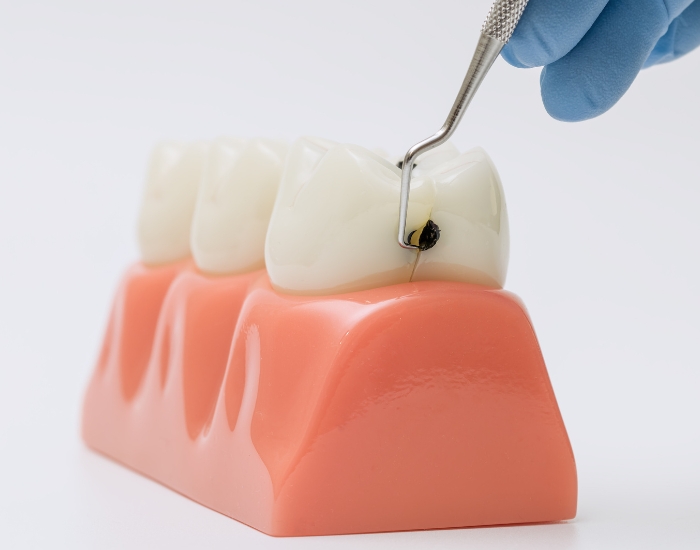
- A small hole forms in the tooth
At first, tooth decay affects only the outer layer of enamel. At this stage, it is typically painless and easy to treat.
However, decay does not stop on its own.
Can Tooth Decay Kill You? The Short Answer
In most cases, tooth decay is treatable and does not pose a life-threatening risk.
However, in rare and severe situations, untreated tooth decay can lead to serious infections that spread beyond the mouth. Those infections can become dangerous if not treated promptly.
So the honest answer to can tooth decay kill you is this:
-
A simple cavity will not kill you
-
An untreated dental infection that spreads systemically can become life-threatening
The key difference is treatment timing.
How Tooth Decay Progresses
Understanding progression helps clarify why the question can tooth decay kill you even exists.
Stage 1: Enamel Damage
Mild decay limited to the surface.
Stage 2: Dentin Involvement
Decay reaches the softer inner layer. Sensitivity may increase.
Stage 3: Pulp Infection
Bacteria reach the pulp, where nerves and blood vessels live. Severe pain often develops.
Stage 4: Dental Abscess
Pus forms at the root due to infection. Swelling, fever, and facial pain may occur.
It is during Stage 4 that risk increases significantly.
What Happens If a Tooth Infection Spreads?
When a dental abscess is not treated, bacteria can spread beyond the tooth.
Possible complications include:
-
Infection of the jawbone
-
Spread to surrounding soft tissues
-
Sinus infection
-
Bloodstream infection, known as sepsis
Sepsis is a severe, body-wide inflammatory response to infection. It requires immediate emergency medical care.
This is the pathway behind rare cases that lead people to ask, can tooth decay kill you.
Warning Signs of a Dangerous Dental Infection
Most dental infections give warning signs before becoming severe.
Seek immediate evaluation if symptoms include:
-
Severe, persistent tooth pain
-
Facial or jaw swelling
-
Fever
-
Difficulty swallowing
-
Difficulty breathing
-
Swollen lymph nodes
-
Fatigue with worsening oral pain
Swelling that spreads to the neck or under the jaw is especially urgent.
Prompt treatment dramatically reduces the risk of complications.
Why Modern Dentistry Makes Fatal Outcomes Rare
While historical records show cases of dental infections causing death, modern healthcare has significantly reduced this risk.
Today, treatment options include:
-
Antibiotics
-
Drainage of abscess
-
Root canal therapy
-
Tooth extraction
-
Hospital-based care for severe infections
Because of accessible dental services and antibiotics, fatal outcomes from tooth decay are extremely uncommon in developed healthcare systems.
That is why panic is not helpful. Awareness is.
Who Is at Higher Risk of Complications?
Certain individuals may face higher risk if dental infections go untreated:
-
People with weakened immune systems
-
Individuals with uncontrolled diabetes
-
Older adults
-
Those undergoing chemotherapy
-
Patients with heart conditions
In these groups, early dental care is especially important.
How Is Severe Tooth Decay Treated?
Treatment depends on stage.
Early Decay
-
Dental filling
Moderate Decay
-
Larger restoration or crown
Infected Pulp
-
Root canal therapy
Abscessed Tooth
-
Drainage
-
Antibiotics
-
Root canal or extraction
Timely intervention stops infection before it spreads.
Prevention: The Best Protection
The most powerful way to eliminate concern about can tooth decay kill you is prevention.
Daily habits make a significant difference:
-
Brush twice daily with fluoride toothpaste
-
Floss once daily
-
Limit sugary beverages
-
Drink water throughout the day
-
Schedule routine dental exams
-
Address small cavities early
Small problems are much easier and safer to manage.
Why People Delay Treatment
Despite available care, many delay treatment because:
-
Pain temporarily goes away
-
Fear of dental procedures
-
Cost concerns
-
Busy schedules
-
Underestimating severity
Unfortunately, tooth pain that suddenly stops can signal nerve death, not healing.
If pain disappears without treatment, evaluation is still necessary.
The Emotional Side of the Question
When someone searches can tooth decay kill you, it often reflects anxiety.
Dental pain can feel intense and alarming. Swelling can be frightening. The internet sometimes amplifies worst-case scenarios without context.
The goal is not fear, but clarity:
-
Yes, untreated infection can become serious
-
No, most cavities do not become fatal
-
Early treatment prevents complications
Knowledge empowers better decisions.
When to Seek Immediate Care
Go to urgent dental or emergency care if:
-
Swelling spreads rapidly
-
Breathing becomes difficult
-
Fever develops with dental pain
-
There is severe facial swelling
Otherwise, schedule a prompt dental visit for persistent pain or visible decay.
Early care reduces both discomfort and risk.
Final Answer: Can Tooth Decay Kill You?
The realistic answer is:
-
A small cavity will not kill you
-
An untreated, spreading infection can become dangerous
-
Severe complications are rare with modern treatment
-
Early dental care prevents nearly all serious outcomes
The question is understandable. The solution is straightforward. Do not ignore persistent dental pain or swelling.
Conclusion
Tooth decay is common. Serious complications are not. With routine dental care and early treatment, cavities are manageable and rarely dangerous.
If discomfort, swelling, or signs of infection appear, prompt evaluation ensures safe and effective care. Taking dental symptoms seriously protects not only oral health but overall health as well.
Medical Disclaimer: This article is for educational purposes only and does not replace professional dental or medical advice. If experiencing dental pain, swelling, or signs of infection, consult a licensed dental professional or seek medical care promptly.