

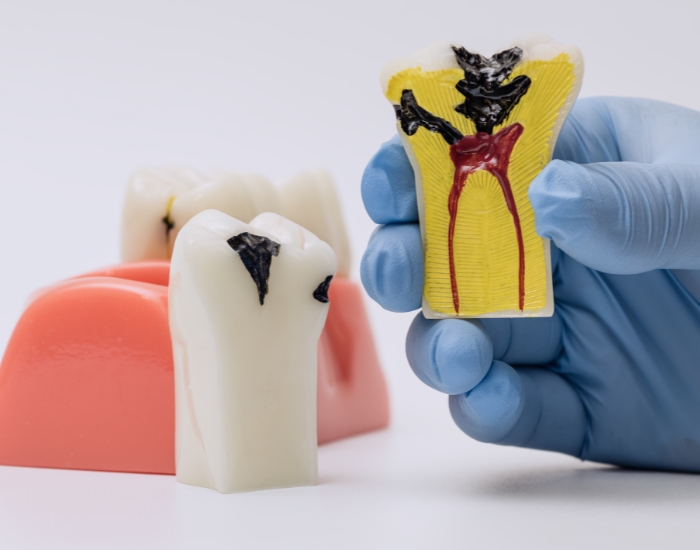
That sudden, sharp jolt of pain when you sip a hot drink or breathe in cold air isn’t just uncomfortable—it can be alarming. Exposed tooth nerve pain is one of the most intense and recognizable dental sensations, often stopping you mid-bite or mid-sip. Unlike general tooth sensitivity, nerve exposure signals that the tooth’s protective layers have been compromised, leaving the nerve vulnerable to irritation and damage. Whether caused by decay, gum recession, or trauma, an exposed tooth nerve should never be ignored. Understanding the symptoms, causes, and available treatment options can help you act quickly, reduce pain, and protect your long-term oral health.
Table of Contents
- What Is an Exposed Tooth Nerve?
- Common Exposed Tooth Nerve Symptoms
- What Causes Tooth Nerve Exposure?
- Exposed Tooth Nerve Pain and Potential Risks
- Treatment Options for an Exposed Tooth Nerve
- FAQs
- Final Thoughts
1. What Is an Exposed Tooth Nerve?
An exposed tooth nerve occurs when the inner portion of the tooth—known as the pulp—loses its protective covering. Normally, the pulp is shielded by layers of enamel and dentin, which protect the nerve from temperature changes, pressure, and bacteria. When these layers are damaged or worn away, the nerve becomes exposed or highly irritated. This exposure can happen gradually due to enamel erosion or suddenly because of a crack or fracture. Once the nerve is exposed, even mild stimuli like cold air, sweet foods, or gentle brushing can cause sharp pain. Without treatment, nerve exposure can worsen and lead to infection or permanent tooth damage.
2. Common Exposed Tooth Nerve Symptoms
Severe tooth nerve sensitivity symptoms are often noticeable and difficult to ignore. Pain is typically sharp, sudden, and intense, especially when the tooth comes into contact with hot, cold, sweet, or acidic substances. Many patients describe the sensation as an electric shock or stabbing pain.
In addition to temperature sensitivity, chewing or biting down can trigger discomfort, especially if pressure reaches the exposed area. Some individuals experience lingering pain that continues even after the stimulus is removed. In more advanced cases, swelling of the gums around the tooth or discoloration may occur, indicating irritation or infection. Because these symptoms can worsen quickly, early evaluation is essential.
3. What Causes Tooth Nerve Exposure?
Tooth nerve exposure can develop from several underlying dental issues. One of the most common causes is tooth decay that progresses deep enough to wear through enamel and dentin. As cavities grow, they eventually reach the pulp, exposing the nerve and causing pain.
Gum recession is another frequent cause. When gums pull away from the tooth—often due to gum disease or aggressive brushing—the tooth root becomes exposed. Since the root lacks protective enamel, the nerve becomes highly sensitive. Cracked or broken teeth can also expose the nerve suddenly, especially after trauma or biting on hard objects. Additionally, enamel erosion from acidic foods, teeth grinding, or age-related wear can gradually thin the tooth’s protective layers, increasing the risk of nerve exposure.
4. Exposed Tooth Nerve Pain and Potential Risks
Exposed tooth nerve pain can significantly impact daily life, making eating, drinking, and even talking uncomfortable. The pain may range from brief sensitivity to constant throbbing, depending on how much of the nerve is exposed. Because the nerve is directly affected, discomfort often feels more intense than typical tooth sensitivity.
If left untreated, exposed nerve in tooth can lead to serious complications. Bacteria can easily enter the pulp, increasing the risk of infection and abscess formation. Over time, untreated nerve exposure may result in nerve death, which can spread infection to surrounding tissues and bone. Persistent exposure may also weaken the tooth structure, increasing the likelihood of fractures or tooth loss.
5. Treatment Options for an Exposed Tooth Nerve
Treatment for a severe tooth nerve sensitivity depends on the cause and severity of the exposure. In mild cases, desensitizing treatments or dental bonding may be enough to protect the nerve and reduce pain. Dental bonding involves applying a tooth-colored resin to cover exposed areas and restore the protective barrier.
For moderate cases, a dental filling or crown may be recommended to shield the nerve and strengthen the tooth. If gum recession is the cause, gum grafting procedures may help cover exposed roots and protect the nerve. When the pulp is infected or severely damaged, root canal therapy is often necessary. This procedure removes the infected nerve tissue, cleans the canal, and seals the tooth to prevent further issues.
Common exposed nerve treatment options include:
- Dental bonding to cover exposed areas
- Fillings or crowns for structural protection
- Gum grafting for receding gums
- Root canal treatment for infected pulp
- Pain management and sensitivity control
Prompt treatment not only relieves pain but also prevents long-term damage and infection.
6. FAQs
Q1: What does exposed tooth nerve pain feel like?
Exposed tooth nerve pain usually feels sharp and sudden, especially when exposed to hot, cold, or sweet foods.
Q2: Can an exposed tooth nerve heal on its own?
No, an exposed tooth nerve does not heal without dental treatment and may worsen over time.
Q3: What causes sudden exposed tooth nerve pain?
Sudden pain is often caused by a cracked tooth, broken filling, or rapid enamel loss exposing the nerve.
Q4: How is exposed tooth nerve pain treated?
Treatment may include bonding, crowns, gum grafting, or root canal therapy depending on severity.
Q5: Is exposed tooth nerve considered a dental emergency?
Yes, severe exposed tooth nerve pain should be evaluated promptly to prevent infection or tooth loss.
7. Final Thoughts
Exposed tooth nerve pain is a clear sign that your tooth needs attention. While sensitivity may seem manageable at first, nerve exposure can worsen quickly and lead to infection or permanent damage if left untreated. Understanding the symptoms and causes empowers you to seek care before complications arise. With the right treatment, pain can be relieved, and the affected tooth can often be preserved. If you notice sharp, persistent sensitivity or discomfort, scheduling a dental evaluation as soon as possible is the best way to protect your oral health.
If you’re experiencing exposed nerve pain or extreme sensitivity, don’t wait—contact Walk-In Dental Clinic for professional evaluation and effective treatment options.
Disclaimer: This article is for informational purposes only and does not replace professional dental advice. If you are experiencing exposed tooth nerve pain or sensitivity, please consult a licensed dentist immediately.