

Cracked tooth pain can start suddenly or develop slowly over time, and it often catches people off guard. Because the crack may be small or difficult to see, many patients don’t realize their tooth is damaged until discomfort begins. Pain may appear when chewing, drinking hot or cold beverages, or even when the tooth is exposed to air. Understanding what causes a cracked tooth, how it is diagnosed, and what treatment options are available can help you respond quickly and protect your dental health. Early treatment can prevent the crack from worsening and reduce the risk of infection.
Table of Contents
- What Is a Cracked Tooth?
- Signs Your Tooth May Be Cracked
- Why Biting Makes Cracked Tooth Pain Worse
- What Causes Cracks in Teeth
- How Cracked Teeth Are Repaired
- How Dentists Find Hidden Tooth Cracks
- FAQs About Cracked Tooth Pain
- Final Thoughts
1. What Is a Cracked Tooth?
A cracked tooth occurs when a fracture develops in the tooth’s structure, often beginning at the chewing surface and extending toward the root. Unlike a broken tooth, a cracked tooth may not separate into pieces, which makes it harder to detect and easy to overlook. Cracks can vary widely in size, from tiny hairline fractures to deeper splits that reach the inner layers of the tooth. Because the tooth remains intact, it may look normal at first glance, even while damage is developing beneath the surface. Over time, cracks can worsen due to normal chewing pressure and may eventually expose sensitive inner tissues. For this reason, a cracked tooth requires professional evaluation to determine how deep the fracture extends and whether treatment is needed.
2. Signs Your Tooth May Be Cracked
A cracked tooth occurs when a fracture develops in the tooth’s structure, often beginning at the chewing surface and extending toward the root. Unlike a broken tooth, a cracked tooth may not separate into pieces, which makes it harder to detect and easy to overlook. Cracks can vary widely in size, from tiny hairline fractures to deeper splits that reach the inner layers of the tooth. Because the tooth remains intact, it may look normal at first glance, even while damage is developing beneath the surface. Over time, cracks can worsen due to normal chewing pressure and may eventually expose sensitive inner tissues. For this reason, a cracked tooth requires professional evaluation to determine how deep the fracture extends and whether treatment is needed.
3. Why Biting Makes Cracked Tooth Pain Worse
Cracked tooth symptoms can vary depending on how deep the fracture is and where it is located. Many people notice pain that comes and goes rather than constant discomfort, making the issue easy to ignore at first. One of the most common signs is sensitivity to temperature changes, especially when drinking hot or cold beverages. Another key symptom is sharp pain when biting or chewing, which may disappear once pressure is released. Some people also describe the tooth feeling weak, unstable, or “not right” when they bite down. In some cases, swelling or mild discomfort may develop around the gums as irritation increases. Because the symptoms can be inconsistent, cracked teeth may not be identified until the crack worsens or becomes infected.
4. What Causes Cracks in Teeth
Cracked tooth pain when chewing happens because biting pressure forces the crack to open slightly, which can irritate the inner layers of the tooth. When the crack separates, it may expose the dentin, and in more severe cases, the tooth pulp—where the nerves and blood vessels are located. This exposure triggers pain signals that can be sudden and sharp. Once pressure is released, the crack closes again and the pain may disappear, creating an “on-off” pain pattern that is common in cracked teeth. Over time, if the crack deepens or if bacteria enter the fracture, the pain can become more constant and may lead to infection, making early diagnosis and treatment essential.
5. How Cracked Teeth Are Repaired
Cracked tooth treatment depends on how deep the fracture is and whether it affects the tooth’s inner layers. Minor cracks may only require simple repairs, while deeper fractures may need more advanced care to protect the tooth and prevent infection. In many cases, treatment focuses on stabilizing the tooth, restoring strength, and preventing the crack from worsening.
Common treatment options may include:
- Dental bonding, which uses tooth-colored resin to fill and strengthen minor cracks.
- Dental crowns, which cover and protect the tooth when cracks are more extensive or the tooth is weakened.
- Root canal therapy, needed when the crack reaches the pulp or causes infection, removing damaged tissue and sealing the tooth.
- Tooth extraction, recommended when the crack extends into the root or the tooth cannot be saved.
A dentist will evaluate the crack using clinical exams and imaging to determine the best treatment option for long-term stability.
6. How Dentists Find Hidden Tooth Cracks
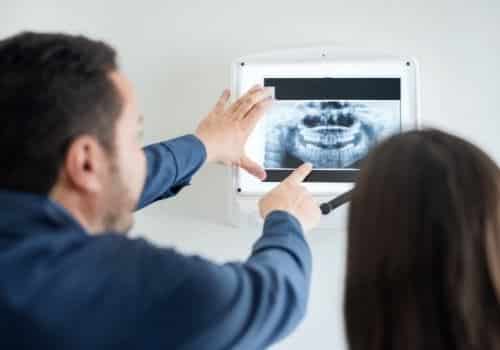
Cracked tooth diagnosis can be challenging because fractures are not always visible on the surface. Dentists typically use a combination of diagnostic methods to identify the crack and assess its severity. Visual examination is often the first step, where the dentist checks for visible lines, rough edges, or areas of weakness. X-rays may be used to detect deeper fractures or changes in the tooth structure that indicate a crack.
Additional diagnostic tools may include:
- Dental explorers to feel for rough edges or areas that catch on the tool
- Bite tests, which recreate pain and help locate the cracked tooth
- Magnifying lights or dental microscopes for detailed examination
- Specialized imaging when the crack is difficult to detect
Early diagnosis is crucial because untreated cracks can worsen over time and lead to infection, tooth damage, or even tooth loss.
7. FAQs About Cracked Tooth Pain
1. What does cracked tooth pain feel like?
Cracked tooth pain often feels sharp and intermittent, especially when biting or exposed to hot/cold foods.
2. Can cracked tooth pain go away on its own?
The pain may temporarily disappear, but the crack will not heal on its own and may worsen without treatment.
3. Is a cracked tooth an emergency?
It can be, especially if pain is severe, swelling occurs, or the crack reaches the pulp.
4. Can a cracked tooth be saved?
Many cracked teeth can be saved with treatment such as bonding, crowns, or root canal therapy, depending on severity.
5. How long does it take to diagnose a cracked tooth?
Diagnosis may require multiple tests and X-rays, and sometimes symptoms must be observed over time.
8. Final Thoughts
Cracked tooth pain can be confusing because the symptoms often come and go. However, the underlying damage does not heal on its own and may worsen over time. Early diagnosis and treatment are essential to prevent infection and protect the tooth’s structure. With proper care, many cracked teeth can be restored successfully, preserving both function and appearance.
If you’re experiencing cracked tooth pain or sensitivity while chewing, it’s important to get a professional evaluation. Walk-In Dental Clinic offers thorough assessments and personalized treatment options to help protect your dental health and comfort.
Disclaimer: This blog is intended for informational purposes only and should not replace professional dental advice, diagnosis, or treatment. Please consult a qualified dental professional for any tooth pain or dental concerns.