
Wisdom teeth can cause sudden discomfort, swelling, and even severe tooth pain. Many people aren’t sure if the pain will go away on its own or if extraction is necessary. Understanding the causes, treatments, and preventive measures is crucial for maintaining oral health and avoiding complications. In this guide, we’ll discuss how to manage wisdom tooth pain, identify signs that an extraction might be needed, and find fast, reliable dental care when necessary.
Table of Contents
- Understanding Wisdom Tooth Pain
- Common Causes of Wisdom Tooth Discomfort
- When to Seek Immediate Help
- Finding a “Walk-In Dentist Near Me”
- Treatment Options: Relief vs. Extraction
- Managing Pain While Waiting for Care
- Preventing Wisdom Tooth Problems
- Final Thoughts
1. Understanding Wisdom Tooth Pain
Wisdom tooth pain often begins subtly, with mild pressure at the back of the mouth. Over time, it may progress to severe tooth pain near me, swelling, or difficulty chewing. The discomfort is usually caused by the tooth partially emerging, pushing against neighboring teeth, or becoming trapped under the gum line. Even if you feel generally healthy, untreated wisdom tooth pain can lead to infections or damage to adjacent teeth. Recognizing the early signs can help you decide whether to monitor the situation or seek prompt dental care.
2. Common Causes of Wisdom Tooth Discomfort
Several factors contribute to wisdom tooth pain, including:
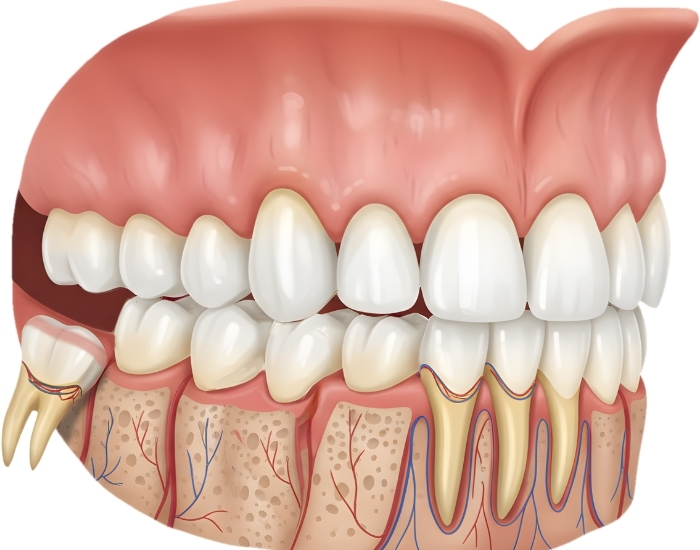
- Impaction: When the tooth is trapped under the gum or bone, it can create pressure and swelling.
- Partial Eruption: Partially emerged teeth are difficult to clean, increasing the risk of infection.
- Infections and Abscesses: Trapped food and bacteria can lead to painful infections.
- Crowding or Misalignment: Wisdom teeth may push neighboring teeth, causing pain and bite issues.
- Tooth Cap Hurting: In rare cases, a crown or dental restoration near the wisdom tooth can aggravate pain.
Understanding the root cause is essential because it guides whether you need temporary relief, a walk-in dentist near me, or an emergency extraction near me.
3. When to Seek Immediate Help
Not all wisdom tooth pain requires urgent attention, but certain warning signs indicate that you should seek professional care promptly. If the pain is persistent or worsening and does not improve with over-the-counter medication, it may signal a more serious issue. Swelling in the gums or jaw, signs of infection such as pus, fever, or a bad taste in the mouth, and difficulty opening the mouth, swallowing, or even breathing (rare but serious) are all indicators that immediate evaluation is needed. In these situations, searching for a “walk in dentist near me” or “emergency extraction near me” can help you access timely treatment, relieve discomfort, and prevent complications from worsening.
4. Finding a “Walk-In Dentist Near Me”
When dealing with wisdom tooth pain, convenience and speed are crucial. Many dental clinics offer 24/7 dentistry or walk-in services for urgent cases. To find the right provider, consider:
- Searching for “walk in dentist near me” or “teeth pulled near me”
- Confirming the clinic handles wisdom tooth extractions and emergency procedures
- Checking reviews, credentials, and availability for same-day treatment
- Walk-in dental care allows immediate evaluation, temporary pain relief, and planning for extraction if necessary.
5. Treatment Options: Relief vs. Extraction
Wisdom tooth pain can sometimes be managed without extraction, depending on severity and the tooth’s position. Options include:
- Pain Management: Over-the-counter medications, ice packs, and saltwater rinses can temporarily relieve discomfort.
- Monitoring: If the tooth is healthy and fully emerged, dentists may recommend observation.
- Extraction: If the tooth is impacted, infected, or causing crowding, removal is often the safest option. An extraction may be urgent or scheduled depending on the level of pain and risk.
Even after extraction, careful post-care is essential to prevent complications. If you have a nearby dental crown or restoration, issues like tooth cap hurting may need simultaneous evaluation.
6. Managing Pain While Waiting for Care
While waiting to see a dentist, there are safe ways to minimize wisdom tooth discomfort. Over-the-counter pain relievers can reduce inflammation and soreness, while cold compresses help control swelling. Avoid chewing on the painful side and maintain gentle oral hygiene to prevent infection. Rinsing with warm salt water soothes gums and reduces bacterial buildup. Importantly, do not apply aspirin directly to the gums or use alcohol-based remedies, as these can worsen pain or damage tissue.
7. Preventing Wisdom Tooth Problems
Not all wisdom tooth pain requires urgent attention, but certain warning signs indicate that you should seek professional care promptly. If the pain is persistent or worsening and does not improve with over-the-counter medication, it may signal a more serious issue. Swelling in the gums or jaw, signs of infection such as pus, fever, or a bad taste in the mouth, and difficulty opening the mouth, swallowing, or even breathing (rare but serious) are all indicators that immediate evaluation is needed. In these situations, searching for a “walk in dentist near me” or “emergency extraction near me” can help you access timely treatment, relieve discomfort, and prevent complications from worsening.
8. Final Thoughts
Wisdom tooth pain can range from mild discomfort to severe tooth pain near me that disrupts daily life. Understanding the cause, monitoring symptoms, and seeking timely care helps prevent infection, damage, and the need for emergency interventions. Whether you need temporary relief or an emergency extraction near me, professional dental care ensures comfort and long-term oral health.
If you’re experiencing wisdom tooth pain, don’t wait. Contact Walk-In Dental Clinic for same-day evaluation, pain relief, or emergency extraction. Our team is ready to provide care for tooth cap hurting, severe pain, or any urgent dental needs to restore your comfort quickly.
Disclaimer: This blog is for informational purposes only and does not replace professional dental advice, diagnosis, or treatment. Always consult your dentist or a qualified healthcare provider regarding wisdom tooth pain or any dental emergency.